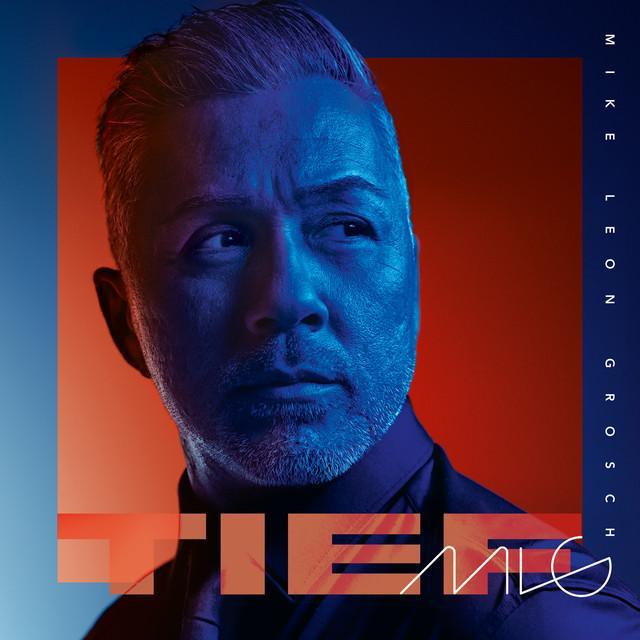
Why 'Es tut nicht mehr weh' Feels So Healing
The meaning of Es tut nicht mehr weh Mike Leon Grosch centers on a simple but powerful idea: love can soften pain without pretending the pain never existed. This is not a breakup anthem or a dramatic reunion song. Instead, it sounds like a moment of hard-earned calm inside a relationship that has already been tested.
"Es tut nicht mehr weh" - Mike Leon Grosch
Wenn ich keine Liebe spür'
Ich weiß nicht, was du von mir willst
Loading lyrics...
Unable to load lyrics
We're unable to display the lyrics at this time. Please try again later.
Mike Leon Grosch wrote the song with Oli Nova, Sandi Strmljan, and Daniela Grosch, according to the credits provided in the song’s release context. That matters, because the lyrics feel collaborative in the best way: emotionally direct, carefully shaped, and built around one clear message.
At the Heart of It: Pain That Finally Loosens
At its core, the song describes a person who once felt uncertain, maybe even unseen, in love. Early lines ask for emotional honesty. The narrator does not want empty words or physical closeness without real connection. When they question whether the couple is truly bonded, the song frames love as something that must be felt, not just said.
That is why short phrases like nicht wirklich fühlst
and nicht verbunden
matter. They point to a fear of false intimacy. The problem is not the absence of contact. It is the absence of emotional truth.
Then the chorus changes the emotional temperature. When the singer says Es tut nicht mehr weh
, the message is not that all wounds are gone forever. It is that love now feels safe enough to stop reopening them. The pain has lost its sharp edge because the other person gives grace instead of judgment.
A Relationship Built on Being Seen
One of the song’s strongest ideas is the longing to know how one appears in a partner’s eyes. The verse wonders how the narrator exists in that other person’s view. Later, that uncertainty becomes reassurance.
This shift gives the song its arc. At first, they cannot tell whether the love is mutual or deep enough. By the second half, the partner’s love shows them who they are. In other words, affection becomes a mirror.
That is especially clear in the movement from doubt to surrender. The narrator begins by asking questions. Later, they admit that the love berührt mich
and that they give themselves over to it. The emotional journey is from guardedness to trust.
How the Chorus Reframes Everything
The chorus is the key to the song’s meaning. It connects love with forgiveness and suggests that healing comes not from perfection, but from mercy. The line about forgiving mistakes is crucial because it turns romance into something more durable than passion.
Interpretation: the song argues that mature love is not about never failing. It is about being loved in full view of those failures. That is why the pain stops hurting in the same way. The singer is no longer trapped in fear of rejection.
There is also a subtle tension in the lines about limits and losing themselves. The lyrics admit that every couple has boundaries, weak spots, and patterns that could pull them under. But the partner resists that collapse. They do not give in to the worst parts of the relationship.
All die Grenzen, die wir haben
und uns darin verlieren
Doch du tust es nicht
This short passage shows that the song is not naive. It knows love can fail. Its hope matters because it arrives after that admission.
Symbols of Motion, Trust, and Surrender
The song uses light imagery rather than complex metaphor, but one image stands out: sailing with the wind. When the lyrics describe raising sails and drifting, they suggest a relationship moving forward through forces larger than either person can control.
Interpretation: this could mean that love always involves uncertainty. People cannot command every emotion, every fear, or every change. What they can do is move together instead of fighting the current alone.
That image also softens the earlier anxiety. The couple may not control everything, but they are no longer stuck. They are in motion.
Why the Sound Likely Matters Too
Even without detailed public production notes here, the writing points toward a modern pop-ballad or schlager-pop setting: a clear melody, emotional build, and a chorus meant to feel relieving rather than explosive. Grosch’s vocal style often leans warm and expressive, which suits lyrics about reassurance and release.
A song like this works best when the arrangement supports its emotional transition. Softer verses can underline uncertainty, while a broader chorus can make the phrase Es tut nicht mehr weh
feel like an exhale. If the production uses swelling keys, gentle percussion, or open backing textures, that would reinforce the theme of pressure lifting.
What Makes the Song Resonate
For many listeners, the appeal is easy to understand. The song does not celebrate dramatic romance. It celebrates emotional safety. That makes the meaning of Es tut nicht mehr weh Mike Leon Grosch especially relatable for adults who know that real intimacy is often quiet, steady, and forgiving.
It also avoids bitterness. Even when the narrator remembers confusion, they do not attack the partner. They ask, they wonder, and then they recognize the healing that love has made possible. That emotional maturity gives the song a tender dignity.
Final Take: Love as Relief, Not Fantasy
In the end, this song is about what happens when a relationship stops being a source of fear and becomes a place of repair. Its central message is that being truly loved, understood, and forgiven can change a person’s inner life.
That is why the title lands so well. The pain does not vanish because the past was unreal. It fades because love has become stronger than the old wound.
Disclaimer: This interpretation is based on the lyrics provided and general musical context. As with any song, listeners may hear meanings that differ from this reading.







