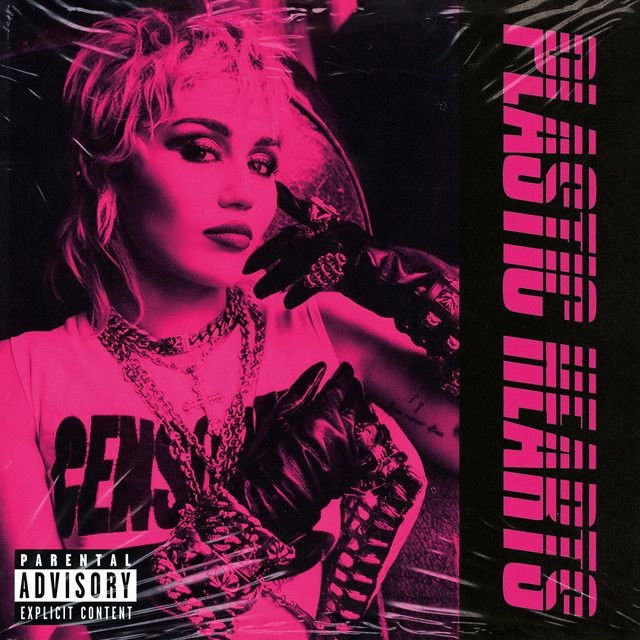
Hate Me by Miley Cyrus
They don’t whisper it—they ask right out: what would it take for someone who resents you to finally feel something real? That’s the tension driving the meaning of Hate Me Miley Cyrus. It’s raw and catchy, a pop-rock confessional that balances wounded questions with a razor smile.
"Hate Me" - Miley Cyrus
If it still hurts at all
I thought one of these days you might call
Loading lyrics...
Unable to load lyrics
We're unable to display the lyrics at this time. Please try again later.
The Real Question Under the Hook
Hate Me imagines a moment of absence to test love and regret. The narrator wonders if people would only show grace after she’s gone. That idea turns grief into a dare.
Interpretation: the song is not a wish for harm; it’s a dark what-if. The speaker is trying to measure their worth by picturing the ultimate boundary—death—and asking whether empathy shows up only when it’s too late.

Watch the official Hate Me
music video
Who’s Talking, and Who’s Not Listening?
The voice is first person, speaking to a former partner who has cast blame. Early lines like say it’s my fault
and feeling small
frame a familiar power struggle. She senses she isn’t being thought about—not on your mind
—and that feeling of invisibility fuels the chorus’s provocation.
Interpretation: the “you” could also be the public. Miley has long navigated image whiplash; here, the addressee might be any crowd that decides who she is, then moves on.
What’s Happening, Beat by Beat
- Verse 1 sets the blame game and the speaker’s isolation.
- Pre-chorus shows anxiety loops:
Drowning in my thoughts
,staring at the clock
. - The chorus imagines posthumous reactions as a measure of real feeling.
- Verse 2 adds triggers—one drink, old memories—and a challenge:
say that I’ve changed
, but say it directly. - The final chorus repeats the thought experiment, pushing for any sign of care.
What the Chorus Really Says
At the center is a chilling couplet about absence and attention:
I wonder what would happen if I die
I hope all of my friends get drunk and high
Interpretation: the party image isn’t celebration of death; it’s a ritual where friends gather and admit feelings. The wish is messy and human: if people make noise, cry, and share memories, then the love must have been real. The refrain’s implied hope—maybe empathy arrives at last—tightens the song’s emotional knot.
Symbols and Motifs That Do the Heavy Lifting
- Time: The
staring at the clock
image captures rumination. Time drags when closure never comes. - Water:
Drowning in my thoughts
signals mental overload. It’s anxiety as a physical struggle. - Blame and Change: The push to
say it’s my fault
andsay that I’ve changed
shows how judgment shapes identity. The narrator wants honesty, even if it hurts. - Memory as Trigger: She hints that memories and a single drink can reopen wounds. The past isn’t past; it loops until faced.
How the Sound Carries the Message
Hate Me rides the Plastic Hearts palette: bright guitars, punchy drums, and a bit of ’80s gloss. The tempo is mid-to-up, which keeps the energy moving while the lyrics get darker. That contrast matters. A shiny topcoat makes the pain easier to say—and easier to hear.
Vocals sit forward, with doubled lines in the chorus that feel like thought echoes. Guitars bite on the downbeat, giving the hook weight. Subtle synth layers fill the edges, widening a space that still feels lonely. It’s a pop-rock suit tailored for confession.
Two Lenses That Change the Picture
- Interpretation—Ex-Lover Lens: This is a breakup reckoning. The narrator tests whether the ex would feel real grief if the worst happened, because everyday empathy has failed.
- Interpretation—Public Persona Lens: The “you” might be the public, headlines, or social feeds. The song then asks whether people grant compassion only after tragedy, when it’s safe to care.
Both readings work because the lyrics keep “you” open, and Miley’s career history gives the ambiguity weight.
Why It Resonates Now
The meaning of Hate Me Miley Cyrus taps a familiar ache: wanting proof that one’s life matters to someone who turned away. It also recognizes that anger and care can live side by side. Even the line about friends partying suggests a messy but honest wake—laugh, cry, tell stories, feel everything.
Takeaway: The Cost of Being Seen Too Late
Hate Me is less about self-destruction than about evidence. The narrator wants a verdict of love that isn’t delayed by pride, blame, or performance. When she asks for truth in real time—not in hindsight—she’s asking to live with it, not die for it.
Disclaimer: Song meanings are interpretive and may vary by listener.









