Lozin' Must by Millencolin
Why This Pop-Punk Song Hits So Hard
The meaning of Lozin' Must Millencolin comes down to a familiar feeling: losing confidence in real time. The song turns everyday stress into a fast, funny, and slightly painful self-portrait. Instead of focusing on one big tragedy, Millencolin show how insecurity can creep into normal moments like conversations, relationships, and even sports fandom.
"Lozin' Must" - Millencolin
it makes me use my imagination
start to think that they're after me
Loading lyrics...
Unable to load lyrics
We're unable to display the lyrics at this time. Please try again later.
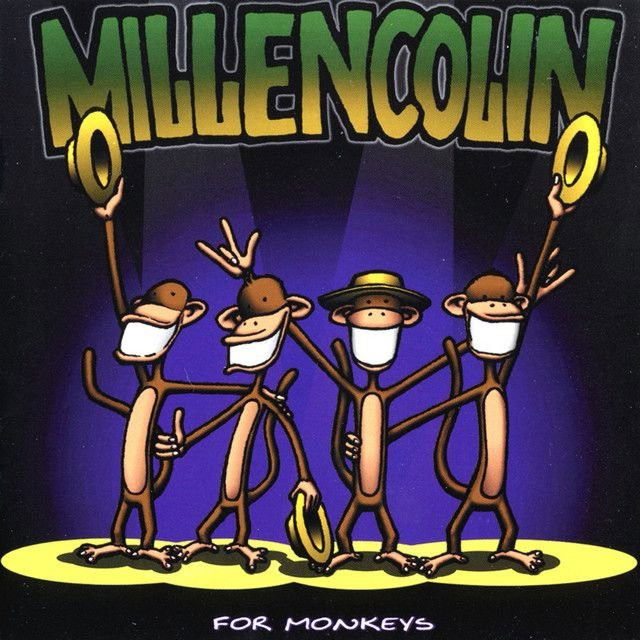
Released in 1997 as a single from For Monkeys, the track sits firmly in the band's melodic skate-punk era. According to the song's release history, it came out through Burning Heart in Sweden and Epitaph in the U.S., helping place it in the wave of 1990s pop-punk that mixed speed with emotional honesty. Factually, it was written by Mathias Färm, Fredrik Larzon, Erik Ohlsson, and Nikola Šarčević, with the band lineup featuring Šarčević on lead vocals and bass.

Watch the official Lozin' Must
music video
The Core Meaning: Self-Doubt in Motion
At its center, the song is about a person who feels themselves shrinking. In the opening scene, they struggle to keep up socially. When the narrator says lozin' must
, the phrase sounds slangy and rough, but the song itself explains it more clearly through loozin' trust in yourself
. That is the real wound.
The first verse shows how insecurity changes perception. During a conversation, the narrator starts to imagine others are judging him. He feels smaller while the people in front of him seem larger. That exaggeration matters. Interpretation: the song is not saying others literally dominate him; it is showing how anxiety distorts social space.
Then comes one of the sharpest details: they answer me with a hockeyscore
. The line is comic, but also brutal. It suggests a mismatch between what he tries to say and how others respond. Instead of connection, he feels overwhelmed, as if every exchange turns into a loss.
Small Scenes, Same Emotional Problem
Social panic becomes the first mirror
The conversation scene gives the song its clearest emotional frame. The narrator is not just shy. He is caught in a cycle of overthinking, embarrassment, and paranoia. The more he tries to speak, the worse he feels.
That matters because it sets up the rest of the song. Once self-trust weakens, everything else starts to wobble too.
Romance adds guilt and confusion
The next verse moves into a relationship. He admits he can make her crazy
and even gets a thrill from pushing her. This is not presented as healthy behavior. Instead, it reveals immaturity and uncertainty. He acts out, but he is also unsure how she really feels.
Interpretation: this section broadens the song's meaning. The issue is no longer just social awkwardness. It becomes a pattern where low confidence and poor communication spill into intimacy.
Even sports become emotional weather
The hockey references may sound random at first, but they fit the song's tone perfectly. The struggling favorite team reflects the narrator's own mood. He is the kind of person whose inner life gets tied to outside wins and losses.
That detail gives the song personality. Millencolin were always a band that mixed humor, youth culture, and emotional honesty, and the hockey images keep the track grounded in everyday life instead of abstract misery.
What the Chorus Really Says
The chorus is simple and effective: Must be strong, can't be wrong
. On the surface, it sounds like a pep talk. Underneath, it sounds defensive.
That tension is the key to the meaning of Lozin' Must Millencolin. The narrator wants strength, but they do not fully have it yet. The repeated hook about losing trust in oneself makes the chorus less triumphant than it first appears. It is not confidence. It is someone trying to talk themselves back into confidence.
It's been a tough time for me
the fog is gone
Those lines from the later section shift the whole song. After all the nervous scenes and messy feelings, the narrator finally names what has been happening: a hard year, a lot of questions, and a slow return to clarity.
The Turning Point Changes Everything
Late in the song, the writing becomes more direct. Instead of jokes or snapshots, the narrator reflects on identity and growth. He has asked who he is and what he wants to be. Then he says the fog has lifted.
This is what keeps the song from being only a panic spiral. It becomes a recovery song too. The earlier verses show what it feels like to live without self-trust, while the ending suggests that this state is not permanent.
For listeners, that arc matters. Many pop-punk songs capture frustration, but this one also offers movement. It says confusion can pass.
How the Sound Carries the Message
Musically, the song's fast pop-punk drive supports its nervous energy. The guitars push forward, the drums stay urgent, and Šarčević's vocal delivery keeps things conversational rather than dramatic. That balance is important. If the band played it too seriously, the song could feel heavy-handed. If they played it as a joke, the emotional core would disappear.
Instead, Millencolin do both at once: speed and vulnerability. The bright melody makes the song catchy, while the tight rhythm section gives the words a restless pulse. That is why the song feels relatable. It sounds like a mind racing.
Final Take on the Song's Meaning
The meaning of Lozin' Must Millencolin is about how self-doubt spreads through daily life, then slowly gives way to self-understanding. It captures the embarrassment of social anxiety, the confusion of young relationships, and the way outside disappointments can feed private stress.
Interpretation: more than anything, the song argues that confidence is fragile but rebuildable. Its final emotional move is not perfection. It is relief.
That makes "Lozin' Must" one of Millencolin's most human songs: messy, funny, self-aware, and hopeful by the end.
Disclaimer: This interpretation is based on the lyrics, recording context, and the band's known style. Like many songs, it can support more than one valid reading.







