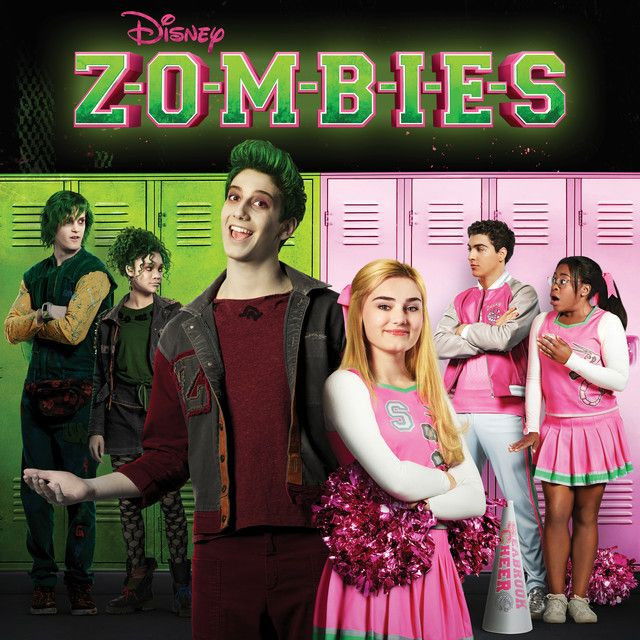
Someday by Milo Manheim, Meg Donnelly
Why This Disney Duet Still Connects
The meaning of Someday Milo Manheim, Meg Donnelly centers on a simple wish: two people want to love each other openly in a world that sees them as wrong together. In ZOMBIES, the song is performed by Milo Manheim and Meg Donnelly as Zed and Addison, and it appears at a key point when the pair imagine a future where they do not have to hide. According to the DisneyZombies Wiki, the song is from the first Z-O-M-B-I-E-S movie and was written by Dustin Burnett and Paula Winger.
"Someday" - Milo Manheim, Meg Donnelly
La la la la la
Oh
Loading lyrics...
Unable to load lyrics
We're unable to display the lyrics at this time. Please try again later.
What makes the song work is that it keeps that message easy to understand. It is about romance, but it is also about social barriers, fear of judgment, and hope for change. Instead of sounding heavy, it wraps those ideas in a bright pop duet that feels young, warm, and forward-looking.

Watch the official Someday
music video
A Love Story Framed by Division
On the surface, the story is direct. One character is human, one is a zombie, and that difference makes their relationship controversial inside the movie’s world. Early on, the song turns that divide into a fairy-tale setup with the phrase a girl and a zombie
. That line sounds playful, but it also shows how strange their bond seems to everyone around them.
The next layer is about secrecy. The characters are not dreaming of some wild fantasy. They are dreaming of normal life: being seen together, walking around freely, and not having to explain themselves. When the chorus reaches out in the broad daylight
, it captures the heart of the song. They do not just want love. They want public acceptance.
The Chorus Turns “Normal” Into a Big Dream
The smartest part of the writing is the contrast between ordinary and extraordinary. The song asks whether their relationship could be ordinary
and also something extraordinary
. That tension matters.
Interpretation: the word “ordinary” represents safety, peace, and social belonging. “Extraordinary” suggests that their love could do more than survive; it could help change the rules of their divided world. In other words, the couple wants a normal life, but because of the prejudice around them, even simple togetherness becomes brave.
That is why the title word “someday” carries so much weight. It is hopeful, but it also admits that acceptance has not arrived yet. The future is still a promise rather than a fact.
How the Verses Build the Message
The first verse introduces attraction across a social line. One comes from a polished, protected world, while the other belongs to the stigmatized side. The song does not spend long explaining the politics. Instead, it moves quickly to recognition: they see each other as people before labels.
The second verse expands the dream. Rather than focusing on danger, it imagines everyday dates and shared space. That shift is important. The song treats ordinary romance as something radical because the world around them refuses to.
Two lonely hearts meet in the dark
Imagine it, now they start a spark
This is the article’s only multi-line lyric quote, and it shows the transition from secrecy to possibility. They begin hidden, but their connection creates energy and momentum.
Defiance Without Bitterness
By the later section, the song becomes more open in its resistance. The repeated idea let them talk
does not sound angry so much as determined. The characters know other people may laugh or gossip, but they decide that public opinion should not control their future.
That gives the song a healthy emotional balance. It does not deny pain, yet it refuses to live inside that pain. Instead of revenge, it chooses confidence. Instead of isolation, it chooses visibility.
Interpretation: this is one reason the song resonates beyond the movie. Listeners can hear it as a teen romance duet, but also as a broader anthem for anyone who has felt judged for being different.
Sound, Performance, and Why It Feels So Hopeful
Musically, “Someday” is built like an uplifting Disney pop ballad with a rhythmic pulse strong enough to keep it from becoming too soft. The beat is steady, the melody is easy to sing back, and the chorus rises in a way that sounds like a door opening. That matters because the production mirrors the lyric theme: it moves from private feeling to public declaration.
Manheim and Donnelly also sell the meaning through contrast. His lines often bring a little humor and awkwardness, while hers add warmth and belief. Together, they sound less like star-crossed tragedy and more like two teens talking each other into courage.
The call-and-response structure helps too. Since the song is a duet, neither character carries the dream alone. The arrangement lets their hope become shared action. Every time they join on the chorus, the song suggests that unity itself is part of the answer.
The Bigger Theme Inside ZOMBIES
In the movie, zombies and humans stand in for larger social fears about outsiders, stereotypes, and belonging. “Someday” expresses that theme in the clearest emotional language possible. It shrinks a community conflict down to one relationship, which makes the prejudice feel personal and easy to grasp for younger viewers.
That is also why the song has lasted with fans. It supports the film’s message without sounding like a lecture. It gives the audience a catchy melody first, then sneaks in the idea that difference should not block empathy, romance, or everyday happiness.
Final Take on the Song’s Meaning
The meaning of Someday Milo Manheim, Meg Donnelly is about hope under pressure. It shows two people imagining a future where love no longer has to hide and where being different is not treated as a threat.
At its core, “Someday” says that acceptance begins with seeing each other clearly and refusing shame. Its sweetness is not shallow; it is the point. The song believes change can start with a simple wish spoken out loud.
Disclaimer: This interpretation separates clear plot facts from informed reading. Song meaning can vary from listener to listener, especially in a story-driven musical context.









