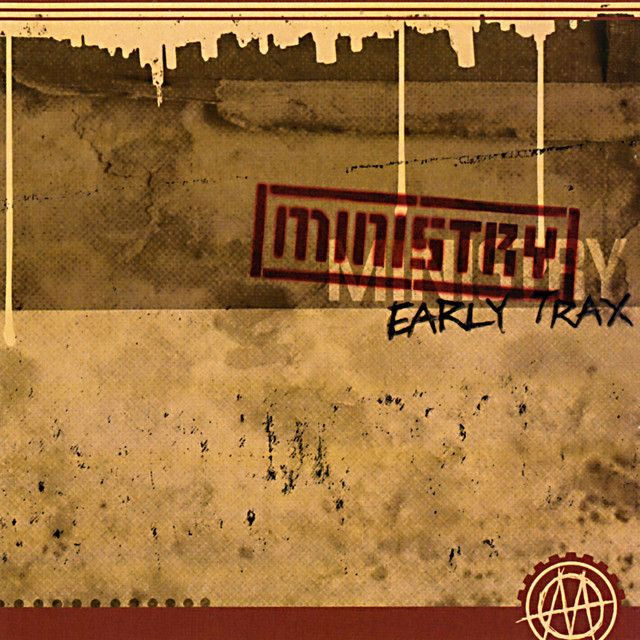
Why Ministry's 'Halloween' Still Feels Defiant
The meaning of Halloween Ministry fans return to is simple but powerful: this is a song about being judged for looking different, then deciding not to apologize for it. Even though the title points to costumes and horror imagery, the real subject is everyday social pressure.
"Halloween" - Ministry
And other things that go bump in the night
Coz to me everyday is Halloween
Loading lyrics...
Unable to load lyrics
We're unable to display the lyrics at this time. Please try again later.
Released in 1984 by Ministry on Wax Trax!, (Every Day Is) Halloween
came during the band's early synth-driven period, before their later metal-heavy sound fully took over. It was written and produced by Al Jourgensen, and over time it became closely tied to goth and alternative listeners who heard their own lives in it.[^1]
More Than Spooky Style
At the center of the song is a speaker who feels watched in public. They describe people staring and mocking the way they dress, as if unusual style must mean something is wrong. The key line, everyday is Halloween
, turns that judgment into a statement of identity rather than shame.
Interpretation: Halloween works here as a metaphor. It stands for living outside the norm all year long, not just on one accepted day when dressing strangely is allowed. In other words, the song asks why difference is celebrated one night a year but punished the rest of the time.
That is why the song still resonates. It understands a familiar problem: society often tolerates individuality only when it is temporary, playful, or easy to label.
Watch the official Halloween
music video
The Lyrics Turn Pain Into Resistance
The opening imagery sounds dark and theatrical, but it is really setting up a world where the speaker has already been pushed to the margins. When they say they have started to fight
, the song shifts from hurt to resistance.
A few lines later, the conflict becomes clearer. People ask why the speaker is dressed that way and call them offensive or ridiculous. The words are not just about fashion. They show how strangers try to control someone by treating self-expression as a threat.
The emotional peak comes through the repeated questions: why can't a person live for themselves, and why must they accept abuse? Those lines give the song its directness. Ministry are not hiding behind vague poetry here. They are confronting bullying, conformity, and the fear of standing out.
Why hide it?
Why fight it?
Best to stop feeling hurt
This brief turn is crucial. The song does not pretend the pain is unreal. Instead, it suggests survival may require emotional armor.
A Voice for Outsiders
One reason the track lasted is that it speaks to several groups at once. Goth listeners embraced it, but the song reaches beyond one subculture. Anyone who has been mocked for clothes, identity, taste, or difference can hear themselves in it.
Music writer Dave Thompson described it as an anthem for disenfranchised goth communities, a reputation noted in coverage of the song's legacy.[^1] That label fits, but the lyrics are broad enough to include punks, queer listeners, art-school kids, and anyone else who has felt publicly singled out.
Interpretation: The phrase whole wide world
expands the message. The problem is not one mean crowd in one place. It is a wider social habit of punishing people who do not blend in.
How the Sound Carries the Message
The production matters as much as the words. According to release details, the track belongs to Ministry's early mix of synth-pop, new wave, industrial, and gothic rock.[^1] That blend helps explain why the song feels both catchy and cold.
The steady beat makes it danceable, but the keyboards and vocal tone create distance and tension. That contrast mirrors the lyric's core idea: pain is being processed through style. The listener can move to it in a club, yet the emotional content remains sharp.
This is part of what makes the song so effective. It does not wallow. It transforms isolation into posture, rhythm, and atmosphere. In practical terms, the production sounds like someone building a shield out of electronics.
Why the early Ministry context matters
For newer listeners, it can be surprising that Ministry once sounded like this. The band later became famous for a harsher industrial-metal attack, but Halloween
captures an earlier stage in Jourgensen's writing. That gives the song a special place in their catalog: it is vulnerable, melodic, and confrontational all at once.
The single was later included on the 1987 compilation Twelve Inch Singles (1981–1984), and the song remained visible through remixes, compilations, and a 2019 acoustic revisit featuring Dave Navarro.[^1]
Why It Still Connects Now
The meaning of Halloween Ministry remains current because public judgment has not gone away. If anything, modern culture has added new forms of surveillance through social media, where appearance is constantly evaluated.
The song's message still lands because it offers two truths at once:
- Being different can hurt.
- Refusing to hide can be a form of strength.
That balance keeps the track from becoming only sad or only triumphant. It lives in the tension between injury and self-acceptance.
Final Take on Ministry's Message
In the end, the song is less about monsters than about the people treated like monsters for refusing to look ordinary. Its chorus turns stigma into identity, and its sound turns alienation into a dark, memorable anthem.
That is the lasting meaning of Halloween Ministry listeners hear: they do not need permission to be themselves, even when the world stares.
Disclaimer: This interpretation is based on the lyrics, recorded performance, and publicly available release history. Like most songs, it can support more than one reading.
[^1]: Wikipedia, "(Every Day Is) Halloween," summarizing release history, credits, genre descriptions, and legacy: https://en.wikipedia.org/wiki/(Every_Day_Is)_Halloween







