Why 'Lovin' You' Feels So Pure
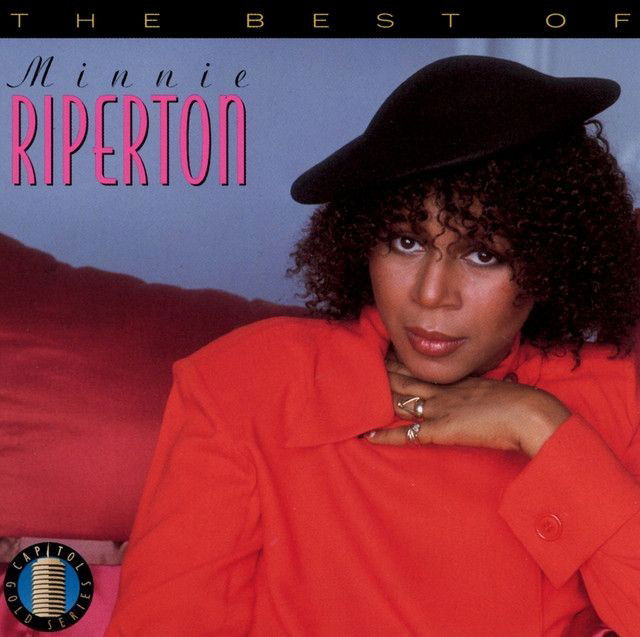
The meaning of Lovin' You Minnie Riperton starts with something simple: this is a love song that refuses drama. Instead of heartbreak, jealousy, or longing, Minnie Riperton builds a world where love feels calm, total, and almost weightless. That is why the song still stands out decades later.
"Lovin' You" - Minnie Riperton
Makin' love with you is all I wanna do
Lovin' you is more than just a dream come true
Loading lyrics...
Unable to load lyrics
We're unable to display the lyrics at this time. Please try again later.
Released in 1974 on Perfect Angel, the single was written by Minnie Riperton and Richard Rudolph and produced by Rudolph with Stevie Wonder, who used the pseudonym El Toro Negro because of label-contract issues. It later reached No. 1 on the Billboard Hot 100 in 1975, a sign that its softness connected widely (Wikipedia).
A Love Song With No Armor
At the center, the song says love feels effortless and transformative. When the narrator says easy 'cause you're beautiful
, the idea is not only physical attraction. They present beauty as something deeper: a quality that makes closeness feel natural, safe, and true.
That emotional openness matters. The lyrics do not protect themselves with irony or distance. They speak plainly about devotion, daily joy, and lasting commitment. When the song imagines growing old together and living in emotional spring, it turns romance into a vision of shared peace.
Interpretation: This is why the song can feel almost sacred to listeners. It treats love not as chaos, but as harmony.

Watch the official Lovin' You
music video
Where Romance Meets Sensuality
The lyrics are innocent in tone, but they are not sexless. Early on, the song includes makin' love with you
, making it clear that physical intimacy is part of the bond. Still, Riperton does not describe desire in blunt terms. She wraps it in softness.
That is especially true near the line every time that we, ooh
. Many listeners hear that pause and vocalization as a coy suggestion rather than a direct statement. That reading is reasonable because the song often implies more than it says.
Stay with me while we grow old
And we will live each day in springtime
Those lines shift the focus back to tenderness and longevity. The song links sensual love to everyday companionship, not just passion in the moment.
The Imagery Is Simple but Rich
One reason the song lasts is that its images are easy to understand but emotionally vivid. A phrase like colors that you bring
suggests that love changes perception itself. The beloved does not just make life better; they make life brighter.
Another key phrase is soul come shinin' through
. That line moves the song beyond appearance. The narrator believes they can see the other person's inner self, and that inner light is what deepens love over time.
Interpretation: Put together, these images suggest a relationship where attraction, spirit, and emotional safety all belong to the same experience.
Why the Music Feels Almost Airborne
The arrangement explains a lot of the song's power. The hit single is famously sparse, built around Riperton's voice, Stevie Wonder's electric piano, and Richard Rudolph's acoustic guitar, with no percussion on the original hit version (Wikipedia; Songfacts). That absence of drums removes urgency.
Instead of pushing forward, the song seems to float. Critics have described its backdrop as airy and tender, and that fits exactly. The gentle keyboard tones and guitar leave room for Riperton's voice to feel intimate, almost as if she is singing across a quiet room.
Then there are the bird sounds. Riperton reportedly said they were captured accidentally in the demo and kept because they worked (Wikipedia). Far from sounding random, those chirps reinforce the song's natural, springlike world.
Minnie Riperton's Voice Is the Meaning
A big part of the meaning of Lovin' You Minnie Riperton lies in her vocal performance. Her whistle register is famous, but the high notes are not there just to impress. They express joy that ordinary speech cannot quite hold.
She begins with warmth and control, then rises into a lighter, almost birdlike sound. That movement mirrors the song's emotional arc: quiet devotion turning into wonder. The voice becomes proof of the feeling.
This helps explain why the track never sounds sugary in a cheap way. Riperton sings with precision, but also with total sincerity. The performance makes the song feel lived-in rather than decorative.
The Maya Backstory Adds Another Layer
There is also an important piece of context behind the recording. According to notes cited by several sources, the melody was shaped in part to distract and soothe Riperton's young daughter, Maya Rudolph, and the unedited album version includes Minnie singing Maya's name at the end (American Songwriter; Songfacts).
That does not erase the song's romantic meaning. But it gives the track an added sense of nurture. Even when the lyrics speak to a partner, the melody carries the softness of a lullaby.
Why It Still Connects
The song remains powerful because it makes vulnerability sound strong. It says deep love can be gentle, sensual, domestic, and spiritually bright all at once. In a pop landscape often drawn to conflict, Riperton offered serenity.
That may be the real secret of its staying power. It is not just about being in love. It is about what love feels like when nothing is being hidden.
Interpretation disclaimer: Song meaning is not fully fixed, and listeners may hear romantic, sensual, or family-centered layers differently based on context and experience.







