Why 'The House That Built Me' Still Hits Home
The meaning of The House That Built Me Miranda Lambert comes down to a simple but powerful idea: sometimes people do not miss a building as much as they miss the self they used to be inside it. In this song, the narrator returns to a childhood home and asks for one last visit, hoping the place might help heal an inner wound.
"The House That Built Me" - Miranda Lambert
I just had to come back one last time
Ma'am I know you don't know me from Adam
Loading lyrics...
Unable to load lyrics
We're unable to display the lyrics at this time. Please try again later.
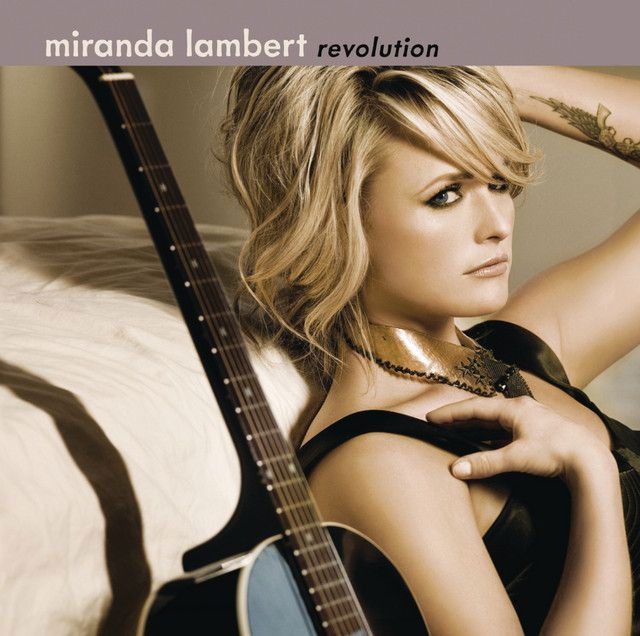
Recorded by Miranda Lambert and released in 2010 as the third single from Revolution, the song was written by Tom Douglas and Allen Shamblin and produced by Frank Liddell and Mike Wrucke. It became one of Lambert's signature recordings, reaching No. 1 on the U.S. Hot Country Songs chart and later winning major awards, including the Grammy for Best Female Country Vocal Performance.
A Homecoming That Is Really About Identity
On the surface, the story is direct. An adult arrives at the house where they grew up and speaks to its current owner. They point out small details that prove the connection is real: childhood marks, a bedroom, the yard, and family history. The request is modest. They only want to walk through and remember.
But the emotional goal is larger than a tour. The song suggests that adulthood has left the narrator feeling disconnected. When they admit they are carrying brokenness, the house becomes a place of emotional repair, not just nostalgia.
This is why the title matters so much. The phrase the house that built me
is not literal. A house cannot raise a person by itself. Interpretation: the song uses the home as a symbol for everything that shaped the narrator—parents, routines, dreams, losses, and early identity.

Watch the official The House That Built Me
music video
The Verses Turn Memory Into Meaning
One reason the song lands so hard is its detail. Instead of speaking in broad terms, it names small, private memories. Those images make the home feel lived in and loved.
The opening verse points to traces left behind, like hand prints on the front steps
. That image does two things at once. It proves the narrator once belonged there, and it shows how childhood leaves marks that outlast time.
The verse also remembers a room where the narrator learned and grew, including the place they learned to play guitar
. That matters in Lambert's version because listeners can hear how the line links the song's story to artistic identity. The house is not just where childhood happened. It is where talent, taste, and selfhood first took shape.
Family Labor Lives in the Walls
The second verse expands the meaning beyond personal memory. It turns to the parents and the work that made the home possible. The mother dreams, plans, and saves images; the father helps make that dream real.
Nail by nail and board by board
the song remembers a home built through patience and effort.
That brief moment is crucial. It frames the house as a family project, not a piece of real estate. Interpretation: when the narrator returns, they are also returning to the evidence of parental love and sacrifice.
This reading lines up with reported background around the song. According to American Songwriter, the song deeply connected to Lambert's own family story after financial hardship and the loss of their home. The same piece notes that Lambert strongly identified with details in the lyric, which helps explain why her performance feels so personal.
Why the Chorus Feels Like a Confession
The chorus is the emotional center because it says what the visit is really for. The narrator hopes that if they can simply touch this place
, something inside might begin to mend. That is a vulnerable idea. They are not pretending the past can be restored. They only hope memory can help them recover themselves.
Later, the song says the adult world made them feel lost. That line reshapes everything before it. The return home is not childish regression. It is a search for orientation.
For many listeners, that is the core of the meaning of The House That Built Me Miranda Lambert: home is where a person can measure who they became against who they were.
The Sound Keeps the Story Honest
Musically, the song avoids excess. Sources describe it as a country ballad built around acoustic guitar with gentle steel guitar touches, a sparse style that leaves room for the lyric and Lambert's restrained vocal delivery. That simplicity is part of the message, as noted in the song's documented musical description and release history on Wikipedia.
There is no dramatic production trick pushing the emotion. Instead, the arrangement moves carefully, almost like someone walking through old rooms. Lambert sings with control rather than force, which makes the sadness feel lived-in instead of performed.
Why Miranda Lambert's Version Endures
The song was originally written by Allen Shamblin and Tom Douglas, and reporting says it was first intended for a male singer before Lambert heard it and wanted to record it. That piece of history matters because it shows how fully she claimed the song through interpretation and delivery. American Songwriter reports that hearing the demo moved her immediately.
Its impact was huge. The track topped the country chart for four weeks and became one of the defining songs of Lambert's career, with wins from the CMA, ACM, and the Grammys, according to Wikipedia. The success makes sense: the song is specific enough to feel real and broad enough to feel universal.
What the Song Finally Says About Growing Up
In the end, the song is about more than childhood nostalgia. It argues that places hold pieces of identity. When life becomes confusing, people sometimes go looking for those pieces where they first left them.
Interpretation: the narrator does not expect the house to solve everything. What they want is a moment of recognition, a chance to stand where their life began and remember who they are.
That is why the song still resonates. It understands that growing up often means moving forward while quietly longing for proof that the earlier self still exists.
Disclaimer: This interpretation is based on the lyrics, recorded performance, and publicly available background. As with any song, listeners may hear meanings that differ from this reading.








