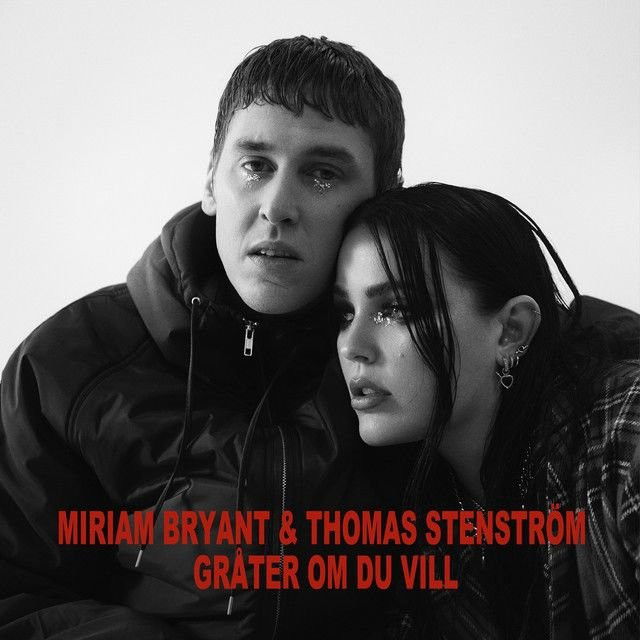
Why 'Gråter om du vill' Hurts So Much
The meaning of Gråter om du vill Miriam Bryant, Thomas Stenström comes down to one painful idea: sometimes heartbreak feels safer than healing. In this duet, they present a narrator who is not just sad about a breakup. They are terrified of what happens if they finally let go.
"Gråter om du vill" - Miriam Bryant, Thomas Stenström
Hisingen är svart och jag glömde mina nycklar nånstans
Träffat alla jävlar igen som har nekat min famn
Loading lyrics...
Unable to load lyrics
We're unable to display the lyrics at this time. Please try again later.
That fear gives the song its sting. It is not only about missing someone. It is about building a whole self around that missing.
A Love Song About Choosing the Pain
On the surface, the song sounds direct. The speaker tells an absent person that they can have their tears, their weakness, and even another chance to hurt them. But the deeper point is more complicated.
Interpretation: the narrator is bargaining with grief. They would rather stay emotionally trapped than face the blank space left behind. When they say gråter om du vill
, the line does not feel noble. It feels desperate, almost like a deal offered in panic.
The emotional key arrives in the admission rädd för mig själv
. That phrase shifts the song from ordinary breakup pain into something more unsettling. The speaker is not only afraid of losing the other person. They are afraid of who they become without the dream of "us."

Watch the official Gråter om du vill
music video
Streets, Trams, and a City Full of Ghosts
One of the song's smartest choices is its local detail. Hisingen, a part of Gothenburg, appears early, and later the lyrics mention tram line 7. Miriam Bryant is from Gothenburg, a fact widely noted in biographical sources, and she has often brought place into her music career and public image. She is a Swedish pop and soul singer-songwriter from Gothenburg, while the single reached No. 2 in Sweden as a non-album release, according to widely cited discography records on Wikipedia's artist overview.
Those details matter because they make the heartbreak physical. The city is not a backdrop. It is a memory machine.
When the speaker sits on 7:an
, the tram is no longer just transportation. Without the loved one, it becomes ordinary again, and that ordinariness feels crushing. Earlier, the dark image of Hisingen är svart
turns the city into a mood: empty, cold, and stripped of meaning.
The Story Unfolds in Small Scenes
Rather than telling one dramatic event, the song moves through fragments of a night and morning after loss. That gives it a restless, lived-in realism.
The emotional timeline
- They search and find nothing.
- They move through familiar places that now feel altered.
- They remember old intimacy in public spaces.
- They admit they would accept more pain.
- They reveal the real fear: life after the fantasy ends.
That structure is important. Every verse starts in the outside world, then sinks inward. Keys are lost, streets are dark, and transport continues. But each image leads back to obsession.
Allt du
fått mig att älska
vill jag ha tillbaka
This brief moment sharpens the theme. The speaker does not only miss the person. They miss the version of life that person taught them to love.
What the Chorus Really Means
The chorus sounds like total devotion, but its emotional logic is darker than simple loyalty. The speaker says, in effect, that if pain keeps the bond alive, pain will do.
Interpretation: this is a song about emotional dependency dressed as romantic persistence. The line såra mig igen
is not celebrating suffering. It shows how grief can distort value, making hurt feel better than emptiness.
That is why the hook lands so hard. It turns crying into proof of attachment. If tears continue, then the relationship still exists in some form. If the tears stop, the speaker may have to face a self they do not recognize.
How Bryant and Stenström Make It Feel Bigger
The collaboration matters. Bryant is known for emotionally direct pop and soul writing, and Thomas Stenström has built his reputation on open-hearted Swedish rock-pop songwriting. Their pairing gives the track both intimacy and lift.
Even without getting deep into studio credits that are not confirmed here, the song's arrangement can still be read clearly. It leans on a strong pop-rock swell rather than a hushed acoustic confession. That choice expands the private pain into something communal, almost anthem-like.
Interpretation: the production suggests that heartbreak this intense does not stay quiet. It spills outward. The melody rises where the lyrics are most self-exposing, which makes the surrender sound huge rather than hidden.
Their vocal blend also matters. Instead of sounding polished to the point of distance, the performance feels bruised and urgent. That rough emotional edge keeps the song from becoming melodrama.
A Song About Memory as Survival
Another way to hear the song is as a defense of memory. The narrator keeps dreaming about the relationship because the dream is now part of how they survive daily life.
The repeated motion in the lyrics, with days returning and the sun rising again, suggests that time moves on whether they are ready or not. But emotionally, they are stuck. The world continues. Their inner life does not.
That contrast may explain why the song connected so strongly with listeners. It captures a common breakup truth: routine comes back before meaning does.
Final Take on the Meaning
So, what is the meaning of Gråter om du vill Miriam Bryant, Thomas Stenström? It is a portrait of a person who offers everything, even their own pain, because loss has become tied to identity. They would rather keep the wound open than risk becoming emotionally unrecognizable.
That is what makes the song so affecting. It understands that sometimes the hardest part of a breakup is not missing the other person. It is missing the self that existed with them.
Disclaimer: This interpretation is based on the lyrics, performance, and available artist context. Like all song meaning analysis, some readings remain interpretive rather than officially confirmed.








