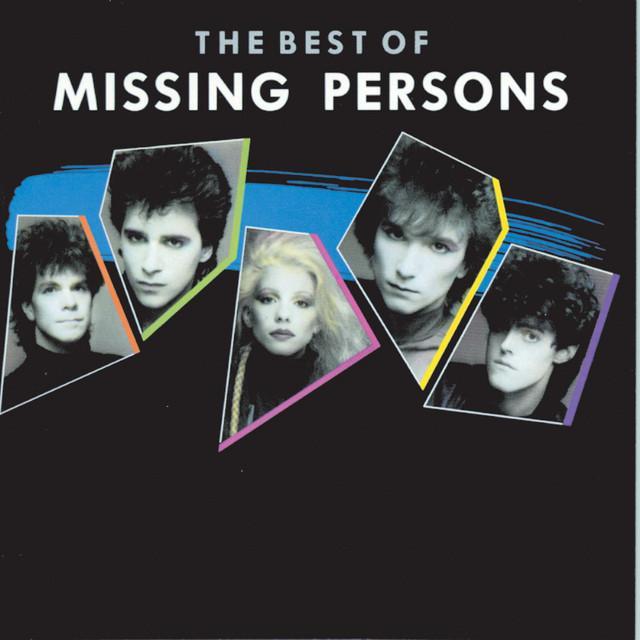
Words by Missing Persons
Missing Persons turn a catchy new wave single into a sharp question: what happens when people can hear speech, but do not really listen?
"Words" - Missing Persons
Provided by LyricFindDo you hear me
Do you care
Do you hear meLoading...Loading lyrics...
Unable to load lyrics
We're unable to display the lyrics at this time. Please try again later.
The Core of the Meaning
The meaning of Words Missing Persons comes down to a simple but painful problem: communication fails even when the words are clear. The speaker is not struggling to speak. They are struggling to reach someone who seems emotionally absent.
Early lines make that point fast. The voice says their mouth is moving and the sound is coming out, but they still doubt the message lands. In other words, the issue is not language itself. It is attention, empathy, and care.
That is why the repeated question matters so much. When the chorus asks What are words for
, it is not really asking for a dictionary answer. It is asking what speech is worth in a world where nobody seems present enough to receive it.

Watch the official Words
music video
A Song About Being Heard, Not Just Spoken To
At the emotional center, the speaker keeps returning to one plea: Do you hear me
and Do you care
. Those short lines frame the whole song. They show that listening is more than hearing sound. It also means concern.
This is what gives the song its bite. Plenty of songs are about heartbreak, but this one focuses on the moment before total collapse: the point where one person realizes the other is physically there and mentally gone.
Interpretation: They may be addressing a lover, a friend, or even society at large. The lyrics support all three readings because they move from intimate frustration to wider cultural overload.
How the Verses Build the Frustration
The first verse uses familiar images to explain mental distance. One of the best is the feeling of reaching the end of a page and realizing you did not absorb what you read. That image turns inattention into something everyone recognizes.
Then the song escalates. The speaker says they might as well speak to a wall. That image makes the problem feel absolute: words are being sent out, but nothing comes back.
Later, the writing gets stranger and more nervous. Images like walking always backwards
and time becoming less than nowhere now
suggest confusion, dislocation, and a slipping grip on normal interaction. These are not neat story details. They feel like the inside of an overwhelmed mind.
The Chorus Turns a Complaint Into a Theme
The hook is memorable because it turns one person’s frustration into a larger question. The line no one listens anymore
widens the target. This is no longer just about one bad conversation. It starts sounding like a statement about modern culture.
That broader reading becomes even stronger when the song mentions media pressure and constant stimulation. The idea of bombardment makes the speaker sound trapped in a noisy environment where real focus is nearly impossible.
Interpretation: The song can be heard as an early critique of information overload. Even without today’s phones and feeds, it describes a world where attention is scattered and meaning gets lost.
Why Missing Persons Were a Perfect Band for This Idea
Missing Persons emerged from the early 1980s Los Angeles new wave scene, and the band is widely associated with sleek, angular pop that mixed art-rock coolness with dance rhythms. The group included Dale Bozzio, Terry Bozzio, and Warren Cuccurullo, with Terry John Bozzio and Warren Cuccurullo credited as writers here.
That matters because the band’s style already carried a sense of distance. New wave often used bright surfaces, precise rhythms, and a slightly synthetic feel. In this song, that sound mirrors the subject. The music is catchy, but it does not feel warm or cozy. It feels efficient, clipped, and a little detached.
How the Sound Carries the Message
The production supports the lyric in a few clear ways:
- The steady beat feels mechanical, like speech hitting a machine.
- The sharp synth-and-guitar textures create tension instead of comfort.
- The vocal delivery sounds controlled, which makes the frustration feel even stronger.
That contrast is key. The singer is not sobbing. They sound poised while describing communication collapse. That cool surface makes the song feel more modern and more unsettling.
There is also a smart pop trick at work: repetition. By the end, the repeated questions start to feel less like a normal chorus and more like a loop the speaker cannot escape.
Do you hear me
Do you care
That tiny repeated exchange is enough to show the song’s full emotional crisis without needing long explanation.
The Strangest Images Have a Purpose
Some lines seem surreal at first, including the aside about dyeing hair blue. But those details fit the song’s larger point. If ordinary speech no longer gets attention, the speaker starts imagining more extreme ways to break through.
That idea makes the song feel both witty and sad. They are not only ignored; they are pushed toward spectacle just to be noticed.
In that sense, the song is not just about failed romance. It is about performance, distraction, and the fear that plain truth cannot compete with noise.
Final Take on the Meaning of Words Missing Persons
The meaning of Words Missing Persons is ultimately about the gap between speaking and being understood. It captures the lonely feeling of sending out honest emotion and getting emptiness back.
Its brilliance is that it works at two levels at once: a direct personal complaint and a wider social warning about attention, media, and disconnection. That double meaning helps explain why the song still feels fresh.
Disclaimer: This interpretation is based on the lyrics, musical style, and widely known band context. As with any song, listeners may hear different meanings in the same lines.








