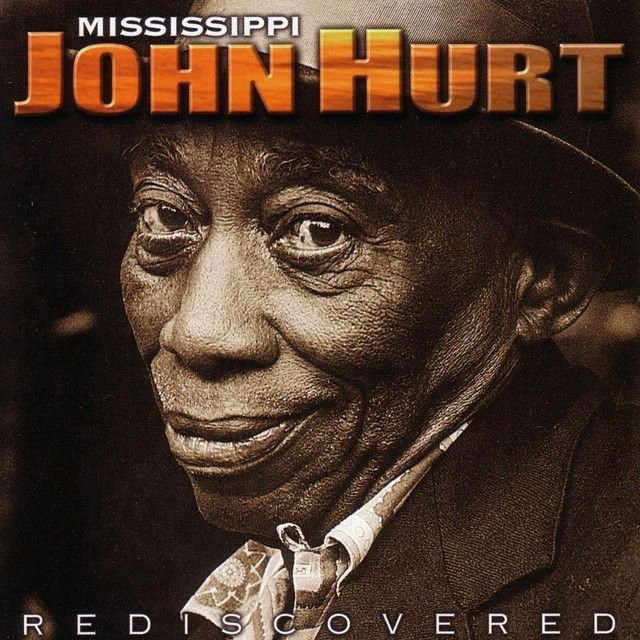
Coffee, Desire, and Double Meaning
Mississippi John Hurt’s “Coffee Blues” sounds light on first listen, but that easy charm hides a smart blues performance. The meaning of Coffee Blues Mississippi John Hurt comes from its mix of humor, flirtation, and want. On the surface, they sing about loving a certain coffee and missing the woman who made it. Under that surface, the song turns coffee into a playful stand-in for romance, comfort, and physical desire.
"Coffee Blues" - Mississippi John Hurt
Maxwell's House, it's good till the last drop
Just like it says on the can, I used to have a girl
Loading lyrics...
Unable to load lyrics
We're unable to display the lyrics at this time. Please try again later.
That double meaning is a big part of why the song lasts. Hurt was known for gentle vocals and intricate fingerpicking, and their style often made even sly songs feel warm rather than harsh. According to the Britannica profile, Hurt became one of the most admired figures of the folk and blues revival, and that reputation helps explain why “Coffee Blues” feels both old-fashioned and surprisingly fresh.
The Simple Story Hides a Wink
At the story level, the narrator misses a woman who used to make their preferred coffee, Maxwell's House
. She has left, and they want to find her. That plot is easy to follow: the singer connects a specific taste with a specific person, then chases both after losing them.
But blues songs often let ordinary objects carry emotional or sexual meaning. Here, coffee is not just breakfast. It stands for care, routine, pleasure, and intimacy. When the singer says a spoonful does more than several cups of other coffee, the line sounds comic, yet it also suggests that one person gives a kind of satisfaction nobody else can match.
Interpretation: the song is less about caffeine than about craving. Coffee becomes the safe, funny language Hurt uses to talk about attachment and lust.
Watch the official Coffee Blues
music video
Why the Coffee Brand Matters
One striking detail is the direct mention of a commercial product. Hurt sings about a brand by name and repeats its slogan-like appeal, including good till the last drop
. That gives the song a grounded, everyday feeling. It is not set in some abstract blues world; it lives in kitchens, stores, and small-town habits.
That detail also sharpens the joke. A branded coffee sounds practical and plain, which makes the hidden message even more playful. The singer acts as if they are discussing taste and household preference, while listeners can hear a second level beneath it.
In that way, “Coffee Blues” belongs to a long blues tradition where food and drink imagery can suggest hunger of another kind. Hurt does not push the innuendo too hard. They keep it relaxed, which makes the song feel teasing instead of explicit.
The Missing Woman and the Pull of Home
The woman in the song is not described in much detail, but her absence drives everything. The singer says she moved away, with reports placing her in Memphis or Leland. Those place names matter because they make the loss feel real and local. This is not a vague heartbreak. It is tied to Southern movement, rumor, and the effort of going to get someone back.
When the narrator says I've got to go to Memphis
, the journey sounds urgent. They are not only chasing a lover; they are chasing a feeling connected to home life and daily pleasure. The woman is linked to nourishment, memory, and comfort.
Interpretation: that search can be heard two ways:
- as a literal attempt to reunite with a lover
- as a comic exaggeration of longing, where coffee talk masks sexual need
Both readings fit the song, and Hurt likely knew that ambiguity was part of the fun.
The “Lovin’ Spoonful” Turn
The song becomes clearer when it shifts from coffee language to lovin' spoonful
. At that point, Hurt moves closer to the real subject. The spoon is still tied to coffee, but now it also suggests affection and physical intimacy.
Good mornin', baby
just a lovin' spoonful
Those lines are brief, but they change the song’s center. The morning greeting feels domestic, while the request adds flirtation and need. The song stops pretending that coffee is only coffee. Instead, it openly blends appetite, romance, and blues humor.
This is where Hurt’s delivery matters most. They do not sound desperate in a dark way. The performance stays nimble and smiling, which keeps the desire human and playful.
How the Sound Carries the Meaning
Part of the meaning of Coffee Blues Mississippi John Hurt comes from sound, not just words. Hurt’s guitar style is precise and rolling, with alternating bass and light melody. That kind of fingerpicking gives the track motion without heaviness. It suggests conversation, not confession.
Their vocal approach is just as important. Hurt often sang softly, with an almost casual grace. In a song like this, that restraint helps the innuendo land. A rougher or louder singer might make the joke more obvious. Hurt makes listeners lean in.
Recordings associated with Hurt’s revival-era work, including material documented by the AllMusic biography, often highlight that contrast between technical control and emotional ease. “Coffee Blues” benefits from exactly that balance. The music sounds friendly, but the subject is desire.
The Preacher Joke and the Song’s Social Humor
Late in the song, even the preacher is said to set aside dignity for his lovin'
. That is funny, but it also broadens the point. Desire is not limited to one lonely singer. It reaches everybody, even someone supposed to be solemn and self-controlled.
That moment gives the song a social wink. Hurt suggests that human appetite is universal. The comic image of a preacher abandoning restraint says: everyone has needs, no matter how respectable they look.
Why the Song Still Connects
“Coffee Blues” still works because it never chooses between sweetness and slyness. It offers both. Listeners can enjoy it as a witty old blues about a favorite drink, or as a smart song about missing someone whose presence satisfied more than one kind of hunger.
In the end, the meaning of Coffee Blues Mississippi John Hurt lies in that layered simplicity. Hurt turns coffee into a symbol of love, routine, pleasure, and longing, then delivers it with warmth instead of bitterness. That balance is what makes the song feel so alive.
Disclaimer: This interpretation is based on the recording, lyrics, and blues context. As with many blues songs, some meanings remain playful and open to listener interpretation.







