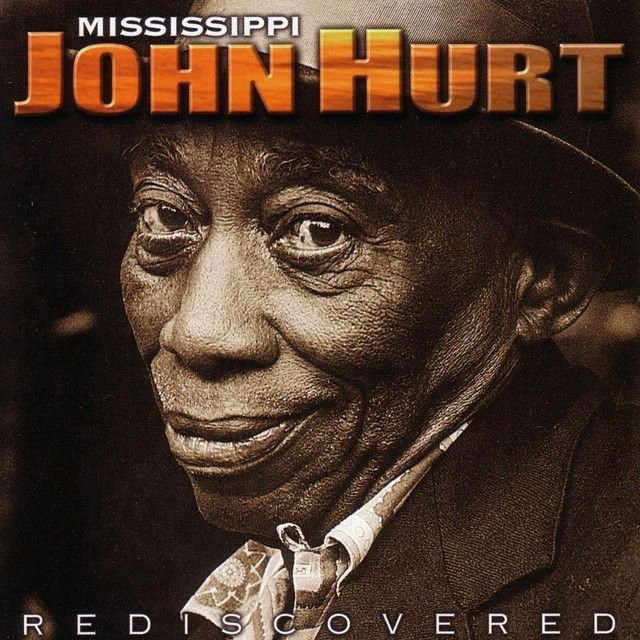
Why "Stagolee" by Mississippi John Hurt Still Cuts
The meaning of Stagolee Mississippi John Hurt starts with a murder ballad, but it does not end there. Their version tells a brutal story in a calm, almost neighborly voice. That contrast is the key to why the song lingers.
"Stagolee" - Mississippi John Hurt
You arrest everybody but cruel Stagolee
That bad man
Loading lyrics...
Unable to load lyrics
We're unable to display the lyrics at this time. Please try again later.
“Stagolee” comes from a much older American folk tradition built around the legend of Stagger Lee, a real or semi-real figure linked to an 1895 killing in St. Louis. Over time, the story changed across blues, folk, and work songs. In Hurt’s hands, it becomes less like a flashy outlaw anthem and more like a plain account of a man whose violence finally catches up with him. The song appears in Hurt’s later recording career after his 1960s rediscovery, a period documented by the Library of Congress and discussed by the Smithsonian Folkways.
A Murder Ballad Told Without Drama
At the surface level, the plot is simple. A feared man shoots Billy after a conflict over a hat, ignores pleas for mercy, and is later executed. The repeated tag bad man
gives listeners the moral frame right away. The song is not confused about who Stagolee is.
That matters because many versions of this folk tale make the killer sound bold or larger than life. Hurt does something different. They sing the events in an even, unhurried way, which makes the violence feel colder. Instead of celebrating swagger, the performance strips it down.
Watch the official Stagolee
music video
How the Story Moves From Fear to Judgment
The verses unfold almost like scenes in a short film:
- The opening questions the law for failing to stop him.
- Billy begs for his life and points to his family.
- Stagolee answers with total indifference.
- The ending shows him on the gallows.
That last turn is crucial. The song begins with failed justice and ends with justice restored, however grimly. When the lyric says head held high
, it does not redeem him. It suggests pride remains even at death.
Please don't take my life
I've got two little children
Those lines sharpen the song’s moral center. Billy is not just a rival; they are presented as a person with ties and responsibilities. In plain terms, the song asks listeners to weigh a trivial insult against a human life. The answer is obvious, and that is the point.
The Hat, the Gallows, and Other Symbols
The most important symbol is the hat. The line about the Stetson hat
shows how little it takes to trigger lethal pride in this world. A stylish object becomes a stand-in for status, ego, and public respect. Interpretation: the song suggests that wounded pride can become deadlier than real need.
Another key image is the gallows. Hurt’s version does not leave the killer in myth. It places him at the end of the legal process. The mention of the execution gives the ballad a full arc: threat, crime, capture, punishment.
There is also the crowd’s reaction. The closing idea that people were glad to see him die shows how completely Stagolee has isolated himself. He is not remembered as misunderstood. He is remembered as dangerous.
Why Mississippi John Hurt’s Style Changes the Meaning
One reason the meaning of Stagolee Mississippi John Hurt feels so strong is the gap between sound and subject. Hurt was known for warm vocals and intricate fingerpicking guitar. Their music often feels inviting, even when the material is dark.
That is true here. The arrangement is spare and steady, built more on rhythm and storytelling than on shock. There is no theatrical rage in the singing. Because of that, listeners focus on the words, the pauses, and the plain fact of what happened.
Factual context: Hurt’s style came out of country blues and songster traditions, where one performer could move easily between spirituals, dance tunes, love songs, and ballads. That flexibility helps explain why they could sing a violent narrative without changing into a harsh persona.
Interpretation: the gentle delivery may make the story more disturbing, not less. It sounds like violence has become ordinary enough to be reported calmly.
Law, Morality, and Community
The first verse addresses a police officer, which opens a second theme beyond murder: public failure. The complaint is simple. Everyone else gets arrested, but not cruel Stagolee
. The song begins with frustration at selective justice.
From there, the ballad moves toward a community verdict. By the end, the law finally acts, and the people approve. That does not make the ending cheerful. It makes it final. The song’s world is one where institutions fail first and punish later.
This is also why the refrain matters so much. Repeating Stagolee’s name turns him into both a person and a type: the violent man who lives by fear. Hurt keeps bringing listeners back to that label so the moral focus never drifts.
One Folk Legend, Many Possible Readings
There is a basic reading and a deeper one.
The basic reading is direct: this is a cautionary tale about pride, cruelty, and consequences. A small dispute becomes murder, and murder ends at the gallows.
A deeper reading sees the song as a portrait of how outlaw legends are made and corrected. American folk culture often turns dangerous men into larger-than-life figures. Hurt resists that pull. Interpretation: their version seems interested in demythologizing the badman figure by stressing the victim, the community, and the execution.
Why the Song Still Matters
“Stagolee” still works because it says something timeless in very few words. Pride can be deadly. Violence can become folklore. And a soft performance can deliver a hard truth.
For listeners searching for the meaning of Stagolee Mississippi John Hurt, the heart of the song is not mystery. It is moral clarity. Hurt presents a famous American badman not as a hero, but as a warning.
Disclaimer: This interpretation separates documented context from critical inference. Because folk songs exist in many versions, some meaning remains open to listener interpretation.







