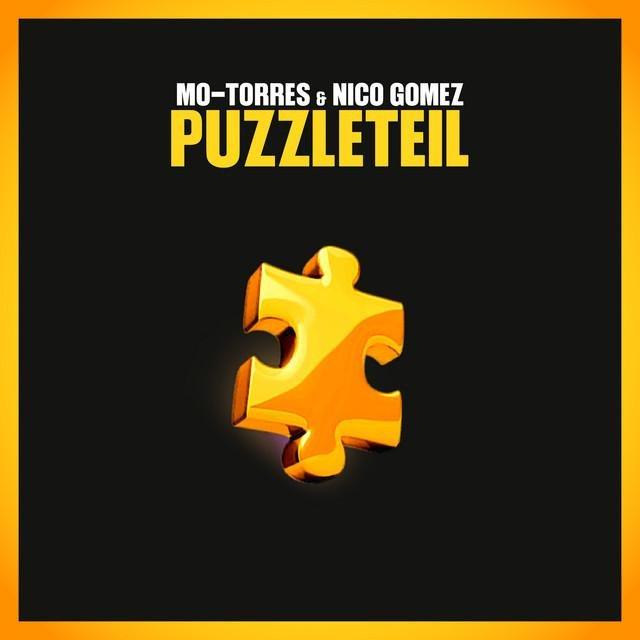
Why 'Puzzleteil' Feels Like Love Finally Clicking
The meaning of Puzzleteil Mo-Torres, Nico Gomez comes through in one clear image: a life that made sense only after one missing piece appeared. This is not a breakup song or a dramatic love confession. It is a warm, grateful song about surprise, timing, and the feeling that love can change old experiences without erasing them.
"Puzzleteil" - Mo-Torres, Nico Gomez
Wir wussten beide nicht, was Liebe ist
Bevor du kamst, war ich op jück
Loading lyrics...
Unable to load lyrics
We're unable to display the lyrics at this time. Please try again later.
Mo-Torres and Nico Gomez present romance as something they did not fully understand until it happened to them. That idea gives the track its charm. Instead of saying love was always the goal, the song says it arrived almost by accident and then changed everything.
A Love Song About Discovery, Not Chase
At its core, the track is about emotional recognition. The narrator looks back at a life that seemed full enough, then realizes it was still incomplete. They had movement, freedom, and stories, but not the deeper sense of fit that comes with the right relationship.
That is why the opening idea matters so much. When the song says "was Liebe ist"
, it suggests both people were inexperienced in a deeper emotional sense. They may have known attraction or fun, but not the kind of bond that reorders a life.
Interpretation: The song treats love less as fireworks and more as understanding. It is the moment when scattered parts suddenly form a picture.
From Drifting to Belonging
The early verses paint a person who was restless and hard to pin down. They describe someone who was never really at home and often avoided responsibility. Even without heavy details, that background matters because it creates contrast.
One of the smartest lines in the song is the image of a personal world tour taking place in a tiny apartment. When the narrator paraphrases a big life inside a small space, the song hints that they were imaginative and content, yet still isolated. Their world felt complete because they had learned how to live inside it.
Then another person appears, and the balance changes. The simple phrase "du und ich"
becomes more than a romantic cliché. It marks a shift from a solo identity to a shared one.
The Narrative in Three Moves
- They lived freely, even proudly, without clear direction.
- They met someone unexpectedly.
- They re-read their whole life through that connection.
That structure makes the song easy to feel. It moves from independence to surprise to commitment.
Why the Chorus Lands So Hard
The hook revolves around the central metaphor: "das letzte Teil des Puzzles"
. In plain English, the loved one is the final piece. This is a familiar romantic image, but the song makes it work by using it carefully.
The key is that the puzzle was already there. The loved one is not described as saving a ruined life. They complete an existing picture. That gives the song a healthier emotional tone than many pop love songs. It values the self while also celebrating partnership.
The chorus also repeats the idea that they never went looking for this person. With "wir sind einfach so passiert"
, the relationship feels organic. Love here is not a mission accomplished. It is something that happened naturally and changed the meaning of everything around it.
Travel, Cities, and the Reframing of Life
The song uses travel language throughout. There is a journey, a route, big cities, and a new chapter. These images do two things at once.
First, they keep the relationship moving forward. This is not love as a frozen perfect moment. It is love as a path. Second, they show that old places become new when shared. The narrator says the big cities are now beautiful in a different way because the other person is there.
Interpretation: The cities may stand for all the experiences they thought had already been fully lived. The song argues that experience alone is not the same as connection. The same world can feel richer when seen with someone else.
How the Sound Supports the Message
Even from the lyrics alone, the song reads like a bright German pop duet with singer-songwriter warmth. The repeated vocal hook around "das bist du"
gives the chorus a soft, celebratory glow rather than a dramatic edge. It sounds designed to feel reassuring.
That matters for meaning. A harsher production would have made the song feel obsessive or desperate. A light, melodic arrangement makes the message feel settled and sincere. The repetition mirrors certainty: they are no longer guessing what love is.
Songwriting credits provided for the track list Martin Ody, Moritz Helf, Nicolas Gomez Teke, and Philipp Evers as writers. That collaborative structure fits a song built around polish, clarity, and a hook that lands immediately.
The Final Verse Adds Commitment
The last section deepens the song beyond first excitement. It says the journey is not over, but the route is now made for two. That is a small but important turn. Love is no longer only discovery; it becomes decision.
The image of framing the finished puzzle suggests memory, gratitude, and permanence. At the same time, the lyric about never forgetting the search keeps the song grounded. It remembers the earlier chaos and gives that confusion purpose.
"Die Reise ist lang nicht vorbei nur dass die Route gemacht ist für zwei"
This brief moment captures the whole theme. The future is still open, but now it is shared.
What "Puzzleteil" Ultimately Means
The meaning of Puzzleteil Mo-Torres, Nico Gomez is that real love can arrive without warning and make a person understand their past in a new way. The song is not saying someone must be completed by romance alone. It is saying the right relationship can reveal a fuller version of a life that was already in progress.
That balance is why the song works. It honors independence, then welcomes connection. It celebrates surprise, then grows into commitment.
Disclaimer: This interpretation is based on the song's lyrics and musical presentation. As with any song, listeners may hear different meanings in the same lines.







