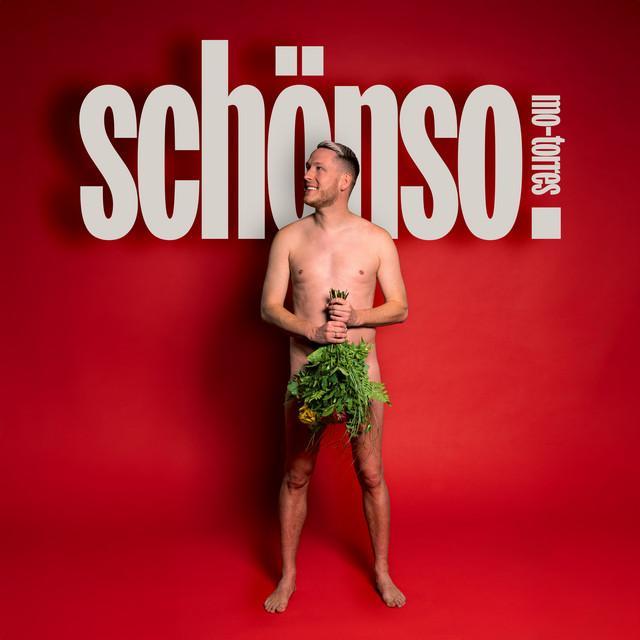
Why “schönso.” by Mo-Torres Feels So Healing
The meaning of schönso. Mo-Torres centers on a simple but powerful idea: people do not need to be flawless to deserve confidence, love, and joy. The song takes common feelings—self-doubt, exhaustion, romantic mistakes, money stress, and media panic—and turns them into a group anthem of acceptance.
"schönso." - Mo-Torres
Und stehen mal wieder vor der falschen Bühne
Wir singen ultraschief, aber scheiß was drauf
Loading lyrics...
Unable to load lyrics
We're unable to display the lyrics at this time. Please try again later.
Rather than pretending life is easy, Mo-Torres builds the song around visible cracks. That honesty is what gives the chorus its lift. They are not celebrating perfection. They are celebrating survival.
A Self-Acceptance Anthem for Imperfect Days
At its core, the song says that being damaged, uncertain, or tired does not cancel a person’s worth. The verses pile up images of struggle: a race that feels heavy, the sense of ending up in the wrong place, and the embarrassment of not matching the ideal version seen in the mirror.
One key phrase, mit Blei an Füßen
, suggests moving through life with extra weight. Another, vor der falschen Bühne
, captures the feeling of being out of sync with the world. These are not glamorous problems. They are everyday forms of discouragement.
Interpretation: The song’s real move is to take those private failures and make them collective. By speaking as “we,” it tells listeners they are not alone in feeling behind, awkward, or overwhelmed.
How the Verses Build Pressure Before Relief
The first half of each verse focuses on struggle. There is insecurity in love, uncertainty in money, and a sense that the world keeps broadcasting fear. The line about only doubts left in the wallet turns emotional stress into a physical image. It implies that even inner confidence has become a scarce resource.
Then the song keeps interrupting that heaviness with a shrugging, rebellious release. The repeated attitude of scheiß was drauf
does not mean the pain is fake. It means they refuse to let pain define their whole identity.
That tension matters. Without the difficult verses, the chorus would sound empty. Because the song admits fear first, its optimism feels earned.
Why the Chorus Lands So Hard
The chorus is the emotional center of the track. When it declares wir sind schönso
, it is not making a polished self-help statement. It is rougher and warmer than that. It says they are okay exactly in their unfinished condition.
The next idea, in unserer eigenen Liga
, pushes the message further. Instead of begging for approval from outside standards, the song creates a new standard. That is a clever shift. The point is not to “win” by conventional rules, but to stop measuring worth by them.
Wir sind schönso, wie wir sind
Schönso, schönso
This brief hook works because it answers everything that came before it: the mirror shame, the overthinking, and the panic. The chorus does not remove those things. It reframes them.
Symbols That Make the Message Stick
Several recurring motifs give the song its emotional shape:
- Weight and movement: the marathon image suggests long-term struggle, not one bad day.
- Misplacement: the wrong stage points to social alienation and feeling off-beat.
- Fragility: thin ice and thin air suggest instability and emotional risk.
- Walls: the idea of jumping barriers turns self-belief into action.
A phrase like überall nur Fragezeichen
expands the song from personal stress to social confusion. Nothing feels settled. Everything feels uncertain.
Interpretation: That broader unease may be why the song connects so strongly. It speaks to a generation that often feels pushed to optimize everything while also being told to stay calm amid nonstop bad news.
The Group Voice Is the Point
A major reason the song feels uplifting is its use of the first-person plural. This is not one lonely narrator whispering to themself. It sounds like a crowd speaking back to shame.
That matters in lines about shouting until hoarse and leaping over walls no one else attempts. Those moments present confidence as something built together. They do not wait to feel perfect before acting. They act together, and confidence grows from there.
For U.S. listeners, that communal tone may be the easiest bridge into the song even if they do not speak German. The emotion is clear: shared weakness becomes shared strength.
How the Sound Supports the Meaning
Even without long lyrical detail, the structure suggests anthemic pop designed for singalong release. The repetition of the hook gives the song a chant-like quality, while the verses carry more detailed, grounded images. That contrast mirrors the message itself: chaos below, unity above.
Mo-Torres is known for melodic, accessible German pop with emotional directness, and this song fits that lane. The credited writers are Nicolas Gomez Teke, Philipp Dittberner, Moritz Helf, and Chris Moehlenkamp, which points to a collaborative pop-writing approach built for clarity and resonance.
Interpretation: The production likely aims for lift rather than introspection alone—steady rhythm, open chorus, and a vocal delivery that invites a crowd to join in. In a song about collective self-acceptance, that kind of arrangement is not decoration. It is part of the meaning.
Final Take on the Meaning of schönso. Mo-Torres
The meaning of schönso. Mo-Torres is that brokenness and beauty can exist at the same time. The song does not hide anxiety, insecurity, or emotional fatigue. It looks straight at them and still says people are worthy now.
That is why the track feels healing. It offers neither denial nor despair. It offers permission: to be uncertain, bruised, loud, and still enough.
Disclaimer: This interpretation is based on the lyrics provided and publicly available songwriting context. As with any song, meaning can remain open to different listeners.








