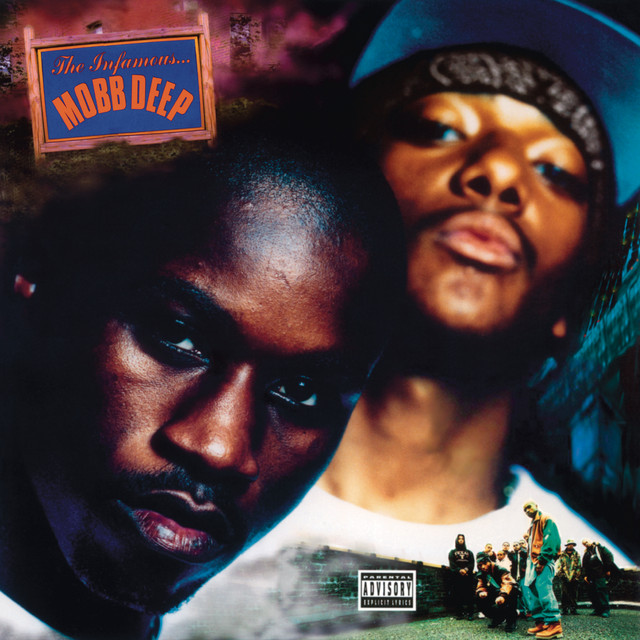
Why “Survival of the Fittest” Still Hits Hard
The meaning of Survival of the Fittest Mobb Deep starts with one idea: life can feel like a battle long before anyone chooses it. On this 1995 single from The Infamous, Mobb Deep turn Queensbridge street reality into a cold, tense survival story. They are not chasing glamour here. They are describing pressure, fear, loyalty, and the habits people build when danger feels normal.
"Survival of the Fittest" - Mobb Deep
Sendin' this one out, to my man Killa B
No doubt indeed, without weed
Loading lyrics...
Unable to load lyrics
We're unable to display the lyrics at this time. Please try again later.
Factually, the song was released as the second single from The Infamous in 1995 and was produced by Havoc. It became one of the duo’s signature tracks and is widely seen as a classic of New York rap.
A Street Report, Not a Victory Lap
At its core, the song is about staying alive in a system that seems built to break people down. The famous opening phrase, there's a war goin' on outside
, does not just sound dramatic. It frames the whole track as a world where threat is constant and nobody is fully safe.
From there, both rappers describe a mindset shaped by that pressure. They talk about being watchful, carrying emotional armor, and seeing weakness as costly. The hook, only the strong survive
, is not cheerful motivation. It sounds more like a rule they feel forced to accept.
Interpretation: The song is not simply praising toughness. It also shows the emotional price of needing toughness all the time.
Watch the official Survival of the Fittest
music video
How the Verses Build the Song’s World
Prodigy’s verse is full of tension. He compares his environment to a combat zone and suggests that daily movement requires caution, memory, and readiness. When he says ain't no such things as halfway crooks
, the idea is bigger than street code. He is saying half-commitment gets people hurt in a place where risk is real.
He also mixes aggression with vulnerability. He talks like someone ready to strike, but also like someone under stress, carrying fear and anger together. That blend matters. It keeps the song from sounding like fantasy.
Havoc’s verse shifts toward hustle, policing, prison, and loyalty. He describes trying to make money while watching for the law and for betrayal. The line trapped in between two worlds
captures that conflict well: they are trying to rise, but the street economy and legal system keep pulling them back.
The story in simple steps
- The song opens by naming the outside world as dangerous.
- Prodigy explains the mental state that danger creates.
- Havoc shows the economic side: hustling, police pressure, and jail.
- The hook turns all of it into a harsh life rule.
Why the Chorus Feels So Heavy
The refrain repeats survival like a fact, not a choice. When they say we livin' this
, they are stressing permanence. This is not a temporary mood or one bad week. It is their full environment.
That repetition makes the song feel almost trapped in a loop. Every verse adds details, but the chorus keeps returning to the same truth: life stays hard, and people learn to measure themselves by whether they can endure it.
Interpretation: The chorus works because it is both proud and exhausted. They sound defiant, but they also sound stuck.
The Sound Makes the Meaning Stronger
A huge part of the song’s impact comes from Havoc’s production. Reports on the track’s making note that he built it around a slowed piano sample from “Skylark” by The Barry Harris Trio and Al Cohn. The result is eerie and drained, with what critics have described as dying piano tones and hard drums.
That beat matters because it never gives the listener comfort. The piano feels haunted, while the drums hit like blunt force. The music creates the same alert, closed-in feeling as the lyrics. Even before they rap, the beat suggests bleak weather, concrete, and tension.
There is also an important bit of context behind the record. According to accounts about the session, Havoc almost scrapped the beat before others convinced him to keep it, and Q-Tip helped program the drums. That backstory helps explain why the final track feels both minimal and precise: nothing extra, just mood and pressure.
Artist Context Matters Here
Mobb Deep were young, but The Infamous made them central voices in East Coast rap. Their image was grounded in Queensbridge, and this song helped define that identity. Havoc later said they were on some straight hood
energy, not trying to sound polished or pretty.
That context is key to the meaning of Survival of the Fittest Mobb Deep. The song is built from place. Its details about boots, blocks, police, jail, and crew loyalty are not random props. They create a social map of how people survive where resources are short and conflict is close.
The record also had real reach beyond its neighborhood story. It peaked at No. 69 on the Billboard Hot 100 and reached the Top 10 on the Hot Rap chart, showing how a very local song could become nationally important.
Why It Still Connects
The song lasts because it feels unsheltered. It does not soften its world, and it does not fully romanticize it either. They sound proud, scared, angry, and disciplined all at once.
For many listeners, that honesty is the point. The track captures how survival can become identity. People do not just live through hard conditions; they start to think, speak, and move around those conditions.
Final Take
“Survival of the Fittest” is about more than brute strength. It is about the psychology of constant pressure and the way people harden themselves to get through it. Mobb Deep make survival sound both necessary and costly, which is why the song still feels powerful.
Disclaimer: This article offers interpretation based on the lyrics, recording context, and public reception. Meaning can vary from listener to listener.








