Why Monica's Plea Still Hits Hard
The meaning of Before You Walk Out of My Life Monica comes down to one powerful idea: a person realizes they were wrong, and they are desperate to fix the relationship before it ends for good. Monica turns that simple setup into something deeper. The song is not only about heartbreak. It is about accountability, memory, and the fear of being too late.
"Before You Walk Out of My Life" - Monica
Oh, yeah, yes
Oh, oh-oh
Loading lyrics...
Unable to load lyrics
We're unable to display the lyrics at this time. Please try again later.
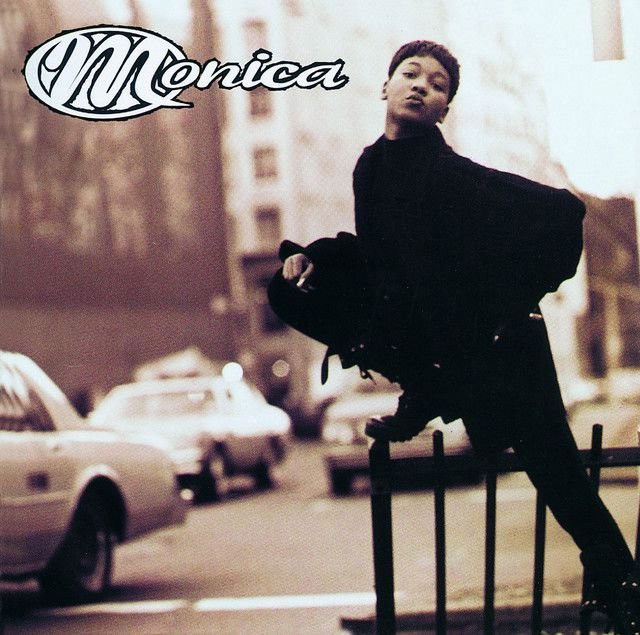
Released on Miss Thang in 1995, the track became one of Monica’s defining songs and a major early hit in her career. It was issued as a single from her debut era and later reached No. 1 on Billboard’s Hot R&B/Hip-Hop Songs chart while also hitting No. 7 on the Hot 100, according to chart data summarized by Wikipedia. That success matters because the song’s emotional clarity helped make Monica, still very young at the time, sound remarkably convincing.
A breakup song that begins with self-blame
What makes this track stand out is that the speaker does not spend much time accusing the other person. Instead, they begin with reflection. They are standing in front of a relationship that has changed, looking at memories that still feel alive.
Early lines frame the damage as real and lasting, but the song quickly shifts toward ownership. When the singer says never meant to cause you no pain
, the point is not that the hurt did not happen. The point is that intention and impact are different. They know they caused harm, even if they wish they had not.
That gives the song a mature emotional center. Rather than asking only for sympathy, the speaker asks for another chance to make things right. The repeated plea before you walk out my life
gives the whole record its tension. Time is running out.

Watch the official Before You Walk Out of My Life
music video
The story moves from memory to apology
The song’s narrative is simple, but it is carefully built. It moves through three emotional stages:
- Recognition: the relationship is no longer what it was.
- Reflection: the speaker remembers the good times and sees their mistake more clearly.
- Appeal: they ask for reconciliation before the other person leaves.
One of the most revealing moments is the admission I was wrong, you were right
. That line matters because it removes any doubt about the speaker’s self-awareness. They are not halfway apologizing. They are plainly confessing fault.
Another key image is the memory of a picture hanging high, described like a bright keepsake of the past. In plain terms, the song uses that image to show how love can survive in memory even when it is failing in real life. The relationship has become something they can look at, but not fully hold.
Though I made plans with youTo always have time for youCannot live without you
This brief section sharpens the theme. The speaker once made promises, failed to live up to them, and now feels the weight of that failure.
What the chorus really means
The chorus is a plea, but it is also a confession. On the surface, the singer wants things to go back to normal. Underneath that wish is a painful truth: they now understand the value of the relationship only when it is close to disappearing.
Interpretation: the hook suggests that regret often arrives after choices have already done damage. The line go back to being the same
sounds hopeful, but also unrealistic. Relationships rarely return unchanged. So the chorus becomes less about turning back time and more about begging for the chance to rebuild.
That tension is why the song feels so relatable. Many listeners know the feeling of wanting to repair something after finally seeing their own part in the problem.
Why Monica's voice sells the emotion
The production helps a lot. The track is widely described as a mid-tempo R&B ballad with drum-machine rhythms and a saxophone-laced beat, and Soulshock & Karlin produced it with a blend of hard rhythm and smooth harmony, as summarized in the song’s background notes on Wikipedia. That contrast mirrors the lyrics: the beat is steady, but the emotion is shaken.
Monica’s performance is just as important. Producer Carsten Schack recalled that her voice felt “raw” with strong gospel runs, a brief comment preserved in the same source. That rawness is the key to the song’s meaning. She does not sing like someone casually sad. She sounds like someone trying to hold themselves together while admitting they may lose everything.
Because Monica was only 14 when she became the youngest artist with two straight No. 1 R&B hits, this song also challenged assumptions about age and emotional authority, according to the same chart history source. They delivered the apology with enough conviction that the record still feels lived-in.
A lasting 1990s R&B moment
Part of the song’s legacy is its balance. It is polished, but not cold. It is sorrowful, but not melodramatic. Even critics who differed on the song’s style generally recognized its strong melody and memorable vocal performance, as noted in retrospective coverage collected by Wikipedia.
Interpretation: listeners still return to it because it captures a common emotional truth. Sometimes love songs are about winning someone. This one is about finally understanding what was at stake.
The final takeaway
The meaning of Before You Walk Out of My Life Monica is rooted in regret, responsibility, and the hope that love can survive one serious mistake. The speaker looks backward, admits fault, and reaches for one last chance before the door closes.
That is why the song still lands. It understands that heartbreak is not always caused by betrayal or drama. Sometimes it comes from recognizing too late what should have been protected all along.
Disclaimer: This interpretation is based on the lyrics, performance, and documented song history. As with any song, listeners may connect with it in different ways.








