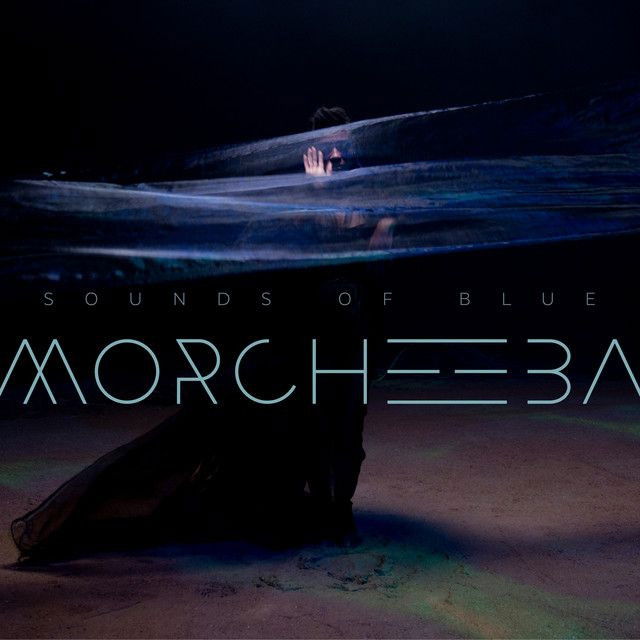
Why 'Sounds Of Blue' Feels Like Emotional Freefall
For listeners searching for the meaning of Sounds Of Blue Morcheeba, the song opens like a dream and slowly turns into a plunge. It is full of water, silence, pressure, and surrender. On the surface, it describes a dive. Under that surface, it sounds like a song about desire so strong that it feels physical.
"Sounds Of Blue" - Morcheeba
Sat on that boat floating out
The waters left me open
Loading lyrics...
Unable to load lyrics
We're unable to display the lyrics at this time. Please try again later.
Morcheeba have long mixed soft, downtempo grooves with darker feelings. That balance matters here. The track arrived as a 2021 single from Blackest Blue, the band’s tenth studio album, released on May 14, 2021. By that point, Morcheeba’s core creative pairing was Skye Edwards and Ross Godfrey, a later-era lineup well documented in the band’s history.
Beneath the Surface, What the Song Is About
At heart, the song seems to explore what happens when attraction becomes overwhelming. The narrator enters a suspended state where reason fades and sensation takes over. Early lines describe stillness, blurred sight, and emotional exposure, suggesting that the speaker is not fully in control.
That is why the opening mood matters. The image of a boat and open water suggests a threshold moment. They are no longer on solid ground, and the line about trusting a stranger hints that the emotional danger is connected to another person.
Interpretation: the song frames romance as a dive into unknown depth. It is exciting, beautiful, and also risky.
Watch the official Sounds Of Blue
music video
The Water Imagery Is Really Emotional Imagery
The lyrics keep turning underwater movement into emotional language. When the song says here and now
, it pushes the speaker into pure sensation rather than reflection. A little later, illuminate the darkness
sounds like a plea for clarity inside confusion.
The water itself acts like a symbol for feelings that are hard to manage. Waves awaken emotion. Pressure builds. Vision narrows. Breathing becomes effort. These are literal diving details, but they also map neatly onto infatuation and vulnerability.
One of the song’s strongest ideas is the paradox in free when I’m sinking down
. Normally, sinking means danger. Here, it also means release. The deeper the speaker goes, the less guarded they become.
A Story of Descent, Then Realization
The song follows a loose emotional timeline:
- Entry into uncertainty. The speaker begins in a dazed, hushed state.
- Descent into feeling. Underwater imagery grows more intense as they go deeper.
- Near-merging with another person. The line
I might drown into you
turns desire into possible self-loss. - Return with consequences. By the final section, the speaker recognizes they have gone farther than expected.
That last turn is crucial. The song is not just dreamy; it is also self-aware. The speaker admits the experience went beyond safe limits. That confession gives the song emotional weight.
It went deeper than I dared
I went deeper than I cared
I’m out of air
Those lines make the metaphor plain without fully explaining it. This is not only about water. It is about giving too much of oneself to an intense emotional or romantic experience.
Why the Chorus Feels So Hypnotic
The repeated section returns to an urge to breathe while sinking. That image captures the song’s conflict better than any plot detail could. Breathing is survival. Resisting breath underwater is impossible forever. So the chorus stages a battle between instinct and surrender.
Interpretation: this may represent the point in a relationship where someone knows they should pull back, yet they do not want to. The repetition creates a trance, making that emotional contradiction feel seductive instead of abrupt.
How Morcheeba’s Sound Carries the Meaning
Morcheeba are widely associated with trip hop, downtempo, and electronic soul-inflected textures, and Blackest Blue fits that tradition. Their history, from the 1990s onward, shows a steady interest in soft grooves, textured production, and introspective mood. That context helps explain why “Sounds of Blue” does not feel panicked, even when the lyrics suggest danger.
The production wraps the song in calm. The beat is unhurried. The arrangement feels liquid and spacious. Skye Edwards’ vocal sounds close and controlled, which keeps the song intimate rather than dramatic.
That contrast is the key. The lyrics describe pressure and possible drowning, but the music feels almost comforting. Morcheeba have often worked in that space between soothing sound and shadowy emotion. Even older descriptions of their work point to warm psychedelic textures paired with darker themes, and this song continues that pattern.
Artist Context Makes the Song Richer
“Sounds of Blue” came during a mature phase for Morcheeba. After lineup changes across the 2000s and 2010s, the band’s later work centered on Edwards and Ross Godfrey. That smaller core may help explain the song’s focused, inward feel.
The track also sits well on Blackest Blue, an album released after Blaze Away and during a period when the group were still refining their relaxed but emotionally layered style. The album did not reach the main UK Top 100 albums chart, though it did peak at No. 14 on the UK Official Album Downloads Chart. Commercially modest or not, it reinforced Morcheeba’s identity as specialists in mood.
The Best Way to Read the Ending
By the end, the song feels less like a love song than a song about surrender itself. The oceanic imagery, the blurred boundaries, and the final lack of air all suggest an experience that is as consuming as it is beautiful.
For anyone wondering about the meaning of Sounds Of Blue Morcheeba, the clearest answer is this: it turns diving into a metaphor for emotional immersion. It captures the thrill of going under, the temptation to keep descending, and the cost of going too deep.
That mix of pleasure and peril is what makes the song linger.
Disclaimer: This interpretation is based on the lyrics, Morcheeba’s artistic context, and the song’s production style. As with any art, listeners may hear something different.








