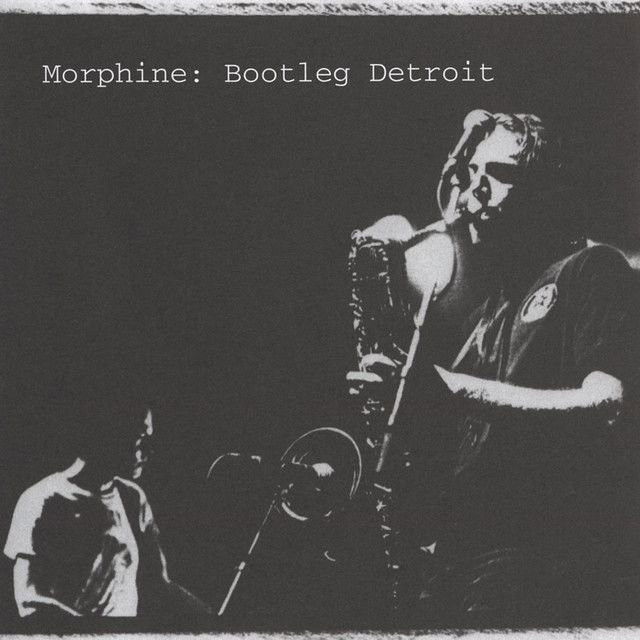
Buena by Morphine: Desire in the Front Row
Morphine’s “Buena” sounds loose, cool, and inviting on the surface. But the meaning of Buena Morphine goes deeper than a simple come-on. The song stages temptation like a live performance: someone in front, someone watching, and a dangerous thrill moving between them.
"Buena" - Morphine
I hear a voice cry out you want something good
Well come on a little closer let me see your face
Loading lyrics...
Unable to load lyrics
We're unable to display the lyrics at this time. Please try again later.
Written by Mark Sandman and released on Morphine’s debut album Good, “Buena” helped define the band’s strange, lean style. Its mix of baritone sax, low-slung rhythm, and half-spoken swagger turns desire into something smoky and slightly threatening.
The Song’s Core Pull
At its center, “Buena” is about seduction that feels empowering even while it hints at risk. The speaker hears a call, steps closer, and then becomes the one doing the inviting. That shift matters. The song is not just about attraction; it is about being changed by contact with something irresistible.
The key image is the line about meeting a devil named Buena Buena
. That does not have to mean literal evil. Interpretation: it more likely suggests a person, feeling, or habit that is thrilling because it breaks normal limits. The speaker admits they ain't been the same
since that meeting, which frames desire as a turning point.
Just as important, the song does not present this change as pure regret. The speaker also says they feel good. That mix of pleasure and danger is the heart of the track.
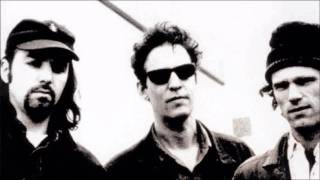
Watch the official Buena
music video
A Stage, a Voice, and a Temptation
The opening scene places everything in a performance space. The speaker hears a voice
from the back and calls someone closer, even toward the front of the stage
. Those details create a public setting, but the emotional effect feels private and intimate.
Interpretation: the stage works as a symbol for exposure. To move closer is to enter the light, to be seen, and maybe to surrender caution. The repeated invitation is not gentle. It has the pressure of a dare.
This setup also gives the song a preacher-meets-hustler quality. The narrator sounds like someone with a secret cure, a forbidden lesson, or a new addiction to share. When they promise to introduce you
to Buena, the tone becomes almost evangelical, but in a darkly playful way.
How the Story Unfolds
The lyrics move in a simple but effective sequence:
- A voice calls out and starts the exchange.
- The speaker asks the listener to come closer.
- They reveal a life-changing encounter with Buena.
- They offer that same experience to someone else.
That pattern makes the song feel like a chain reaction. One person gets pulled in, then becomes the next recruiter. This is why the song can sound both sexy and unsettling. It is about desire spreading socially, almost like a spell.
come on a little closer
want to see your face
Those lines are brief, but they carry a lot of weight. Before and after them, the song suggests that closeness is not just physical. It is the first step toward transformation.
What “Buena” Might Represent
The title invites more than one reading, and that ambiguity is part of the song’s power.
Reading One: A seductive person
The most direct reading is that Buena is a woman or lover who feels intoxicating. The devil image then becomes a way to describe charisma so strong it overrides judgment. In this version, the song captures the rush of meeting someone who immediately changes a person’s sense of self.
Reading Two: Pleasure itself
Interpretation: Buena may also stand for a wider appetite—sex, nightlife, intoxication, rebellion, or any habit that feels freeing at first. The repeated hook turns the name into a chant, which makes Buena sound less like one person and more like an idea the speaker cannot stop repeating.
Reading Three: Artistic danger
Because the song is set around a stage, another reading is possible. Buena could symbolize the lure of performance itself: attention, nightlife, and the seductive power of being watched. In that sense, the song becomes about the dangerous joy of the scene.
Why the Music Makes the Meaning Stronger
Morphine were known for an unusual setup built around Mark Sandman’s two-string bass and Dana Colley’s baritone sax, a sound described in band histories and coverage from AllMusic. That stripped-down arrangement matters to the meaning of Buena Morphine.
The groove feels hypnotic rather than explosive. Instead of rushing, the band lets the song prowl. The sax adds a noir mood, while Sandman’s voice lands somewhere between a whisper, a pitch, and a confession.
That restraint makes the temptation feel more believable. The song never has to shout. Its power comes from repetition, space, and texture. They create the sense that the listener is being drawn in slowly, exactly the way the narrator describes.
Why the Song Still Feels Distinct
“Buena” stands out because it does not overexplain itself. The lyrics are spare, but the emotional message is clear: some encounters feel so exciting that people accept the danger as part of the thrill.
That is why the song remains memorable. It captures the moment when curiosity beats caution. It also understands that people often tell themselves a dangerous change feels good, at least at first.
The Last Word on “Buena”
The meaning of Buena Morphine lies in that tension between invitation and warning. The song presents desire as a performance, a temptation, and a contagious force. Buena is whatever a person knows might undo them—and still wants to meet up close.
That ambiguity is an interpretation, not a confirmed statement from the artist. Like many great Morphine songs, “Buena” leaves room for the listener to decide whether the devil is a lover, a feeling, or a way of life.








