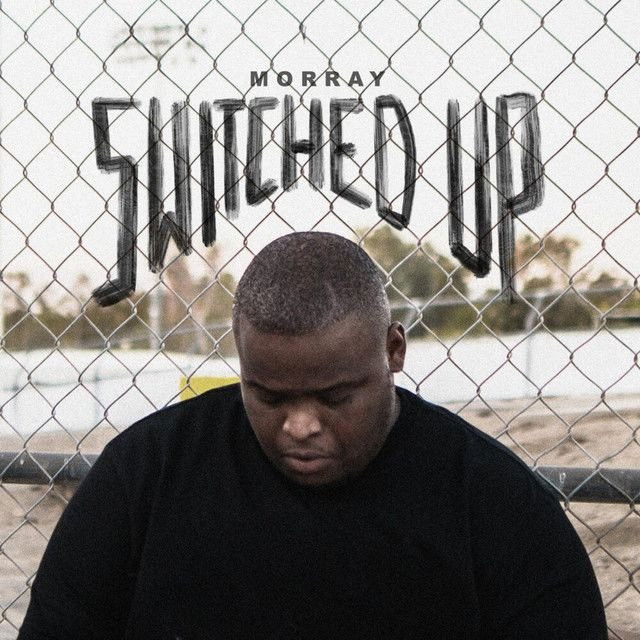
Switched Up by Morray
When Brotherhood Turns Into Distance
The meaning of Switched Up Morray centers on betrayal. The song describes a bond that once felt as close as blood, then shows what happens when that loyalty disappears. Morray’s speaker is not just disappointed; they feel personally wounded because the other person once stood in the role of family.
"Switched Up" - Morray
You was my dog, you was my blood, you was my brother
You was my fam, you was my kin, all or nothing
Loading lyrics...
Unable to load lyrics
We're unable to display the lyrics at this time. Please try again later.
From the opening lines, the song draws a sharp contrast between what was and what is now. The repeated idea that someone was once a brother but no longer deserves that title gives the track its emotional engine. This is not casual fallout. It is the collapse of a deep tie.

Watch the official Switched Up
music video
The Core Story Beneath the Anger
At its heart, “Switched Up” tells a simple but effective story. The speaker remembers standing up for a friend during danger and conflict. Later, when that same speaker becomes the one being disrespected, the friend stays quiet. That silence becomes the real betrayal.
A key phrase is you said nothing
. Morray uses that idea to show that disloyalty is not only active backstabbing. Sometimes it is refusing to defend someone who defended them first. That imbalance makes the song feel heavier than a standard revenge track.
Interpretation: The song suggests that loyalty is measured in action, not labels. Calling someone family means little if they disappear when pressure arrives.
Why the Hook Hits So Hard
The chorus is the emotional center of the song. Morray keeps returning to the old bond—dog, blood, brother, kin—and then tears it down. That repeated switch from closeness to rejection creates the song’s sting.
He also repeats the memory of having stepped up before. The phrase started busting
is used to stress that the speaker took real risks for this person. Even without treating every line literally, the point is clear: the speaker believes they proved loyalty in moments that mattered.
That is why the hook works. It is both accusation and evidence. Every repetition says: they were there before, but the loyalty was not returned.
A Timeline of Hurt, Memory, and Ego
First: the bond feels unbreakable
Early in the song, Morray frames the friendship as unusually close. The line about being attached and inseparable makes the loss feel serious, not temporary.
Next: a lesson replaces innocence
Then the song shifts toward hard-earned wisdom. When Morray says it is about progression, they suggest growth sometimes means leaving damaged relationships behind. That is one of the more mature ideas in the track.
Then: revenge is imagined, but withheld
One of the song’s strongest moments is when the speaker says they had an opening to retaliate but did not take it. That is important because it adds restraint. Beneath the threats, there is still a person weighing conscience against anger.
Finally: success becomes the answer
By the last verse, the energy becomes competitive. Morray turns from pain to status, comparing the ex-friend’s decline with their own rise. That shift can sound boastful, but it also reveals a defense mechanism. If trust is gone, achievement becomes proof of worth.
The Best Clues in the Verses
Several short phrases point to the song’s deeper themes. friendships fade
gives the track a broader message beyond one conflict. Morray is saying betrayal is part of a larger pattern of growing up and learning who truly belongs around them.
Another useful phrase is slice of cake
. That image turns betrayal into hunger and selfishness. The song implies some people betray others for a small advantage, then return hoping to benefit again.
Later, it broke my heart
cuts through the aggression. That line matters because it confirms the anger comes from grief. Morray is not only threatening an enemy; they are mourning someone who used to matter.
Sound, Delivery, and Why the Record Feels So Tense
Morray is known for mixing melody with street-focused rap, a style that helped raise their profile after breakout releases in the early 2020s. “Switched Up” leans more toward confrontation, but the vocal tone still carries melody around the edges. That combination makes the song feel bruised rather than cold.
The production, credited here to Andrej Marko and Peter Gogola alongside Morray’s writing team, supports that mood with a stern, driving beat. There is little softness in the instrumental. The rhythm leaves space for the voice to push key words, especially in the hook, where the repetition lands like a witness statement.
Interpretation: The hard production mirrors the speaker’s emotional armor. The song sounds guarded because the person inside it no longer feels safe trusting anyone.
Basketball Bars and Status Talk
The sports references do more than show swagger. They create a ranking system. Morray uses basketball names to talk about leadership, missed potential, and public image. One person has fallen from starter-level importance; the other presents themselves as still climbing.
That matters because betrayal in the song is tied to pride. The speaker does not only feel abandoned. They feel underestimated. Bragging becomes a way to reverse that humiliation.
Final Take on the Meaning
The meaning of Switched Up Morray is about the pain of watching someone once treated like family become untrustworthy. It is a song about memory, pride, and the moment loyalty fails its test.
What makes it work is that Morray does not present betrayal as abstract. They tie it to specific memories, wounded emotion, and the urge to move forward without forgetting what happened. The result is a track that feels both personal and universal.
Disclaimer: This interpretation is based on the released lyrics and publicly available song credits. As with any song, meanings can vary by listener, and some lines may blend personal storytelling with performance persona.









