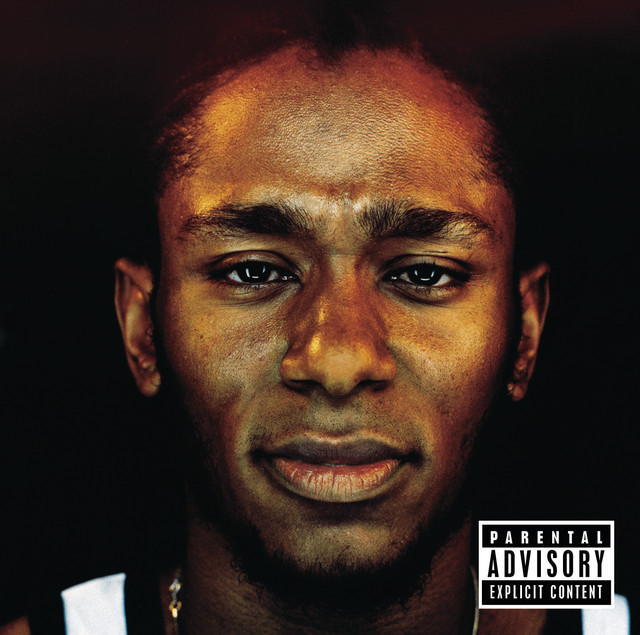
UMI Says by Mos Def
A quiet song with a huge message
The meaning of UMI Says Mos Def starts with urgency. The song sounds gentle, but its core idea is serious: life is short, truth should be spoken now, and each person should use their gifts in service of something bigger than themselves.
"UMI Says" - Mos Def
I wanna tell you how I feel right now
I don't wanna take no time to write this down
Loading lyrics...
Unable to load lyrics
We're unable to display the lyrics at this time. Please try again later.
Released on Black on Both Sides in 1999, the track helped show how Mos Def, now known as Yasiin Bey, could make hip-hop that was political, spiritual, and deeply personal at once. According to album credits and major discographies, the song was written by Dante Smith and David Kennedy, and it appears on Mos Def's debut solo album. Those facts are widely documented by sources such as AllMusic and Discogs.
At its heart, the song moves between two feelings. One is private and human: fear, stress, family responsibility, and the wish for peace. The other is collective: a call for Black freedom, unity, and moral purpose. The power of the song comes from how naturally those two feelings fit together.
Watch the official UMI Says
music video
Why the title matters so much
“Umi” is Arabic for “my mother,” and “Abi” means “my father.” That matters because the song frames its wisdom as inherited guidance, not just personal opinion. When the chorus repeats shine your light
, it does not sound like empty self-help. It feels like teaching passed down through family and elders.
That family language also broadens the song’s authority. The speaker mentions mother, father, grandmother, and elders, building a chain of care and instruction. In other words, the message is not only “be yourself.” It is also “live up to what your people taught you.”
The first verses: speak now, because time is fragile
The opening lines are plainspoken for a reason. The singer says they do not want to delay honest feeling, because tomorrow may never come
. That thought is the first key to the meaning of UMI Says Mos Def.
The song is not gloomy, though. It treats mortality as a reason to live more truthfully. Instead of wasting time polishing a perfect statement, the speaker wants to talk directly. That makes the song feel intimate, as if the listener is hearing a real confession in real time.
A second admission deepens that honesty: I ain't no perfect man
. This line keeps the song grounded. The speaker is not posing as a prophet above ordinary struggle. They are trying to do right with limited strength, limited time, and imperfect tools.
The chorus turns private feeling into purpose
The chorus is the song’s emotional center. After confessing fear and limitation, the singer returns to the parental instruction to shine your light
. Paraphrased, the idea is simple: whatever gifts, insight, or love a person has should not stay hidden.
Interpretation: “Light” works on several levels at once:
- personal talent and self-expression
- spiritual truth
- moral example
- cultural pride and Black visibility
That layered image is why the chorus feels so large. It is inspirational, but it is not vague. The song points toward action in the world, not just inner healing.
Weariness, duty, and the cost of consciousness
One of the song’s strongest sections comes when the speaker admits discouragement. They look around, feel weak and heavy, and sometimes want a quieter life. This is a major reason the song still connects: it does not pretend that purpose is easy.
The speaker even pushes against the idea of constant public struggle. They do not always want conflict. They do not always want to be a soldier. They want family life, calm, and emotional rest. That tension makes the song more believable.
Sometimes I get discouraged
Sometimes my heart gets heavy
That brief moment captures burnout without surrender. The singer is tired, but not defeated. The inherited command to shine still remains.
Black freedom is not a side note
Late in the song, the message becomes explicit: the repeated wish is for Black people to be free. This is not hidden subtext. It is a direct statement of political and moral priority.
That matters when explaining the meaning of UMI Says Mos Def. The song is not only about generic hope. It connects hope to liberation. The personal search for peace is inseparable from the collective demand for justice.
Interpretation: The song suggests that “shining” is not just individual success. It can also mean refusing silence, affirming Black dignity, and joining a larger struggle for freedom. In that sense, the track links inner light to social responsibility.
How the music carries the meaning
The production helps the message land. The track is warm, slow, and soulful, with live-feeling instrumentation and a calm groove rather than hard-edged drums. David Kennedy is credited as a writer, and the arrangement has the loose, organic feel that fits late-1990s conscious hip-hop.
That softness matters. A more aggressive beat could have turned the song into a speech. Instead, the music makes it feel like meditation, prayer, and community gathering at once. Mos Def’s vocal delivery also shifts carefully between singing, chanting, and speaking. That blur of styles mirrors the song’s themes: it is part confession, part testimony, part rallying cry.
Why the song still resonates
The song lasts because it speaks to several audiences at once. Some hear motivation. Some hear spiritual advice. Some hear political commitment. Many hear all three.
It also avoids a common problem with uplifting songs: easy answers. Here, hope comes after doubt, not before it. The speaker names stress, limitation, and fear, then chooses responsibility anyway. That choice is what gives the song its dignity.
The clearest takeaway
The meaning of UMI Says Mos Def is that a person should not wait to live truthfully. They should accept imperfection, honor the wisdom of their elders, and use their voice in service of freedom, love, and community.
The song’s final effect is both comforting and demanding. It tells listeners they matter, but it also reminds them that their light is meant to be shared.
Disclaimer: This interpretation is based on the song’s lyrics, performance, and publicly known context. As with any art, listeners may hear meanings that differ from this reading.








