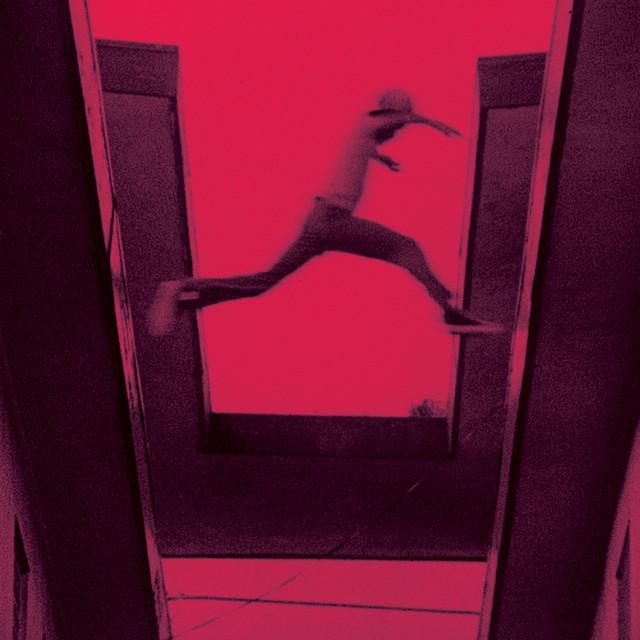
Why “Wahid” by Mos Def Feels Like a Creed
A Small Song With a Big Idea
The meaning of Wahid Mos Def starts with its title. “Wahid” is an Arabic word for “oneness,” a key clue to how the track works. It appears on The Ecstatic, Mos Def’s 2009 album, a record widely noted for its global sound, spiritual references, and social commentary. The album was released on June 9, 2009, and “Wahid” was written by Dante Smith and Otis Jackson Jr. and produced by Madlib. The song lasts only 1:39, but it carries the weight of a mission statement.
"Wahid" - Mos Def
Cash and carry legendary Sagitarri style's wary
And it's very necessary get it clearly
Loading lyrics...
Unable to load lyrics
We're unable to display the lyrics at this time. Please try again later.
More than a story song, “Wahid” sounds like a declaration. Mos Def—later known as Yasiin Bey—moves through warnings about violence, greed, false power, and fear, then keeps returning to one grounding idea: when the noise clears, truth becomes simple. That is the emotional center of the track.

Watch the official Wahid
music video
What “Wahid” Is Really About
At its core, “Wahid” is about unity under pressure. The song argues that modern life is full of distraction—money, danger, status, empire, corruption—but none of that changes the deepest reality. As the hook puts it, there's only one
. In plain terms, the song points toward spiritual oneness, moral clarity, and a single truth greater than chaos.
That reading fits the larger world of The Ecstatic, which includes Islamic language and Black internationalist ideas. Album coverage notes that the project opens with Arabic and includes recurring spiritual and political themes. In that context, “Wahid” does not sound accidental. It sounds like a compact statement of belief.
Interpretation: The “one” in the chorus can be heard in at least two ways:
- one God, in a spiritual sense
- one truth or core reality, in a moral sense
The song never turns into a sermon, though. It stays rooted in street-level observation. That balance is part of why it hits so hard.
How the Verses Build the Message
Mos Def begins by cutting through surfaces. He mentions style, danger, and material life, but he refuses to worship them. A phrase like no chain now
matters because it rejects flashy symbols of success. He is saying value cannot be reduced to jewelry, image, or what can be stolen.
From there, the song widens its lens. They describe a world where, as he suggests, gun smoke, market crashes, and betrayal are all normal. The line about final days
does not have to mean literal apocalypse. It can also mean social decay—the feeling that public life has become morally thin.
That idea becomes clearer in the middle of the song, where he moves between warning and instruction. He tells listeners to face facts, speak truth, and hold steady. The voice is not passive. It is corrective.
When all is said and done
there's only one
That brief refrain acts like the song’s spine. After every image of confusion or violence, the chorus reduces everything back to first principles.
The Song’s Social Critique Is Sharp
One reason the meaning of Wahid Mos Def stays powerful is that the song links spiritual faith with material conditions. Mos Def is not escaping the world; they are reading it clearly. He points to young people caught in violence, to markets collapsing, and to systems where betrayal is routine.
Later, he says God is on your side
and follows it with the claim that the devil is a lie
. Paraphrased, the message is that oppressive systems look huge, but they are not ultimate. The track even names imperial power directly, saying the empire may control wealth and weapons, but not the final truth.
That anti-empire stance fits The Ecstatic as a whole. Critics praised the album’s international outlook and its attention to politics, identity, and spirituality. It was also seen as a major return to form for Mos Def, earning strong reviews and a Grammy nomination for Best Rap Album.
Why the Sound Matters So Much
Madlib’s production is a big part of the song’s meaning. “Wahid” is short, rough-edged, and urgent. Instead of sounding polished for radio, it feels clipped and concentrated, almost like a burst of thought. That matters because the song is about stripping away illusion.
The beat does not distract from the message; it tightens it. The rhythm pushes forward while Mos Def’s delivery swings between calm authority and sudden pressure. They sound alert, not relaxed. That vocal style makes the song feel less like entertainment and more like witness.
This also matches the design of The Ecstatic, which often uses brief tracks, collage-like transitions, and production from adventurous beatmakers including Madlib, Oh No, Preservation, J Dilla, and others. The album’s sound is eclectic, but “Wahid” uses that freedom for focus.
Artist Context Helps Unlock It
During this era, Mos Def spoke about wanting to “uplift the people” and give language to everyday feelings. That public artistic goal helps explain “Wahid.” The song does not just diagnose social disorder; it offers a response: clarity, courage, truth, and faith.
There is also a strong personal ethic in the performance. He challenges empty posturing with lines aimed at people who play roles instead of standing for something real. In that sense, “Wahid” is both spiritual and practical. It asks listeners to live with integrity in a crooked environment.
A Clear Takeaway on the Meaning
The best way to understand the meaning of Wahid Mos Def is to hear it as a compressed worldview. The song says modern life is loud with greed, violence, and false power, yet underneath all that noise there is still one truth that matters most.
Whether a listener hears that as God, unity, or moral reality, the song’s point is the same: fear and empire do not get the last word. “Wahid” turns a short rap track into a statement of principle.
Disclaimer: This interpretation is based on the lyrics, the title’s meaning, and the song’s album context. As with any art, listeners may hear it differently.







