
Why “Cut Me” Feels Like a Confession
The meaning of Cut Me Moses Sumney comes down to a hard truth: sometimes people learn to mistake pain for proof that they are growing. In this song, Moses Sumney builds a portrait of someone who knows that habit may be unhealthy, but cannot easily let it go.
"Cut Me" - Moses Sumney
And so worn out
Ooh, when my mind's clouded and
Loading lyrics...
Unable to load lyrics
We're unable to display the lyrics at this time. Please try again later.
Rather than celebrate suffering in a simple way, the track sounds conflicted. It is both self-aware and trapped. That tension is what gives “Cut Me” its force.
A song about needing friction to feel alive
On the surface, the speaker says exhaustion, doubt, and discomfort make them feel most awake. Early on, Sumney ties mental strain to vitality, then goes further with phrases like the most alive
and masochistic kisses
. The idea is not subtle: pain has become part of their emotional fuel.
Interpretation: The song is about emotional masochism, but not only in romance. It also points to work, self-worth, and identity. The speaker seems to believe that if life stops hurting, it may also stop meaning something.
That reading fits Sumney’s broader artistic concerns. In a Pitchfork review, Sheldon Pearce wrote that the song centers on the masochism of “constantly learning things the hard way,” and placed it within Sumney’s larger interest in isolation and in-between states around græ.
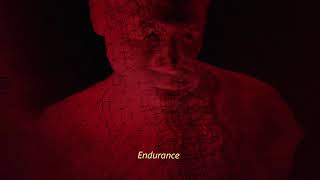
Watch the official Cut Me
music video
The key question at the center
The song’s sharpest idea arrives when the speaker wonders whether growth can exist without suffering. They pair physical stress with ambition, essentially asking whether progress requires damage. That is why the repeated phrase source of my pride
matters so much. Pride, here, does not come from peace. It comes from endurance.
This is what makes the meaning of Cut Me Moses Sumney feel bigger than one personal confession. It taps into a common American mindset: grind harder, rest later, prove yourself through strain. The song exposes how seductive that logic can be.
Pain as identity, not just experience
The lyrics suggest the speaker has practiced this way of living for so long that it now feels like personality. They do not just endure pain; they organize their self-image around it. When they imply that hurt is something they “need,” the line lands as a confession, not a boast.
Might not be healthy for me
But seemingly I need
What cuts me
That short passage is the emotional core of the song. It admits awareness and compulsion at the same time.
The “immigrant son” line changes the frame
One of the most important moments is the phrase true immigrant son
. With just a few words, the song shifts from private feeling to inherited pressure. The speaker connects their attachment to struggle with family history, sacrifice, and the expectation to keep pushing.
Interpretation: This line may suggest that work ethic and survival have been passed down as moral law. Rest can then feel like failure, even when someone knows they are burning out.
The next images reinforce that point. The mention of “no vacancies” and “no vacations” links emotional pain to labor and scarcity. The speaker sounds caught in a cycle where overwork is normal and relief feels unavailable.
How the chorus traps the listener on purpose
The chorus is simple and repetitive, and that simplicity matters. The repeated title phrase is not decorative; it feels compulsive. Each return sounds like the speaker is stuck inside a thought pattern they cannot interrupt.
That is why the hook is so unsettling. It blurs the line between desire and damage. By the time the song reaches the final repetitions of hurt me
, the words sound less like a request than a revelation about what the speaker has been taught to expect from life.
The production turns struggle into euphoria
Musically, “Cut Me” helps explain its own message. According to Pitchfork, the arrangement starts with piano and bass, then expands into buzzing synths, snapping drums, and swelling horns. That build matters because it transforms pressure into momentum.
Instead of making pain sound small or private, the production makes it feel huge and almost triumphant. Sumney’s falsetto stays central, cutting through the mix with precision. The contrast is powerful: the lyrics confess distress, while the music surges upward as if pain has become a kind of energy source.
Interpretation: This is one reason the song feels so conflicted. It does not simply condemn suffering. It shows why suffering can become addictive when it brings intensity, clarity, or a sense of purpose.
A wider meaning inside græ
“Cut Me” is commonly linked to græ, the 2020 album Sumney described as a project about grayness and in-between meanings, as noted by Pitchfork. That context helps. The song lives in contradiction: it is aware but unresolved, pained but ecstatic, critical but still attached to the very pattern it describes.
So the meaning of Cut Me Moses Sumney is not just “pain hurts.” It is closer to this: pain can become a language people use to measure worth, progress, and belonging, even when that language wounds them.
Final takeaway
“Cut Me” works because it refuses easy comfort. It shows a speaker who understands the cost of their habits yet still finds life in friction. That honesty makes the song feel intimate, but its themes reach far beyond one person.
For many listeners, the track will sound like a warning about burnout, inherited pressure, and the dangerous glamour of endurance. Interpretation: Others may hear it as a portrait of ambition itself—how striving can start to feel inseparable from suffering.
Meaning in songs can vary by listener, and this interpretation is one reading based on the lyrics, performance, and available artist context.








