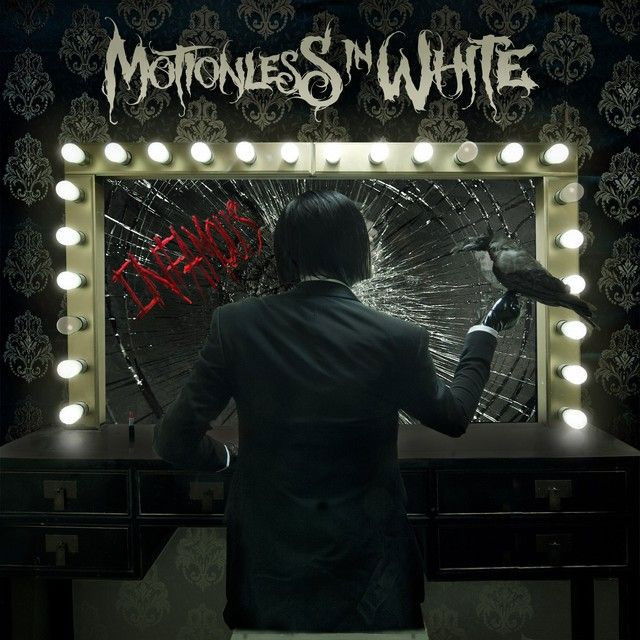
Burned at Both Ends by Motionless in White
They wrote a song for anyone who has pushed too hard for too long and lost their sense of self along the way. This guide breaks down the meaning of Burned at Both Ends Motionless in White, connecting its images of light, home, and time to the band’s crushing sound.
"Burned at Both Ends" - Motionless in White
Victims of time, we're defined by our history
Forever lost, and now I don't know who the fuck I have become
Loading lyrics...
Unable to load lyrics
We're unable to display the lyrics at this time. Please try again later.
The Wound That Won’t Close: Core Meaning
The song centers on burnout, identity drift, and the trap of nostalgia. The narrator feels that everything now grows out of pain and that they have become, in their own eyes, a stranger. When they call themselves Victims of time
, they frame life as a slow wear-down. Memory becomes an anchor instead of a map.
Interpretation: The track argues that living in the rearview keeps them from healing. While the past shapes them, it also builds a prison made of shame and regret. The meaning of Burned at Both Ends Motionless in White is the danger of living at unsustainable speed while chasing a version of yourself that no longer exists.

Watch the official Burned at Both Ends
music video
Who’s Talking, and Who’s Listening?
The voice is first-person and confessional. They speak to themselves and to anyone who feels the same. When they say Nothing is like it was before
, they admit a loss of identity and a world that no longer fits. The aside look at me now
flips into self-judgment—success without peace.
Interpretation: The song is less a message to a lover and more a mirror. The audience is the exhausted self, begging to slow down.
From Spark to Ash: A Quick Timeline
- Realization: Life built on pain; the self feels unfamiliar.
- Denial vs. honesty: They insist they are on the
right train but the wrong tracks
, clinging to effort while knowing the path is off. - Collapse: Home becomes foggy—there’s
no light to find my way
—and even landing feels like wreckage. - Decision point: They confess
the past is a strange place
and hint that moving on requires accepting finality: what’s done is done.
The Hook as a Warning Label
Broken promises left to mend Burning the candle at both ends
These lines anchor the whole message. Burnout is not only physical; it is moral and emotional. Missing commitments stack up, and the image of a candle burning from both sides shows a life spent out of balance. There is energy, but it’s wasteful. The flame is dramatic, yet short-lived.
Interpretation: The hook isn’t glamorous. It is a caution sign, a way of saying: stop before you have nothing left.
Symbols That Smolder: Candle, Train, Ship, and Home
- Candle: Overwork and dwindling time. The faster it burns, the less future remains.
- Train/tracks: Momentum in the wrong direction. They move, but purpose is misaligned.
- Ship ashore: A dramatic wreck that somehow survives. The journey is over, but the vessel remains—damaged yet present.
- Home/light: Safety and clarity. When there’s
no light to find my way
, the song names disorientation. Home is not a place—it’s a feeling they’ve lost. - Time/past: Calling the past a “strange place” admits nostalgia’s lure and danger. Memory comforts but also traps.
The Sound of Exhaustion: How Production Sells the Spiral
Motionless in White fuse serrated guitars, pounding drums, and a push-pull of harsh and clean vocals. The arrangement swings between blast-furnace aggression and brief open space. That contrast mirrors a mind that surges, crashes, and tries to steady itself.
The low-tuned chugs feel like grinding gears, while the cleaner, melodic passages hint at home and hope. When the vocals rise into a strained, melodic line, it sounds like the last reserves of will. The overall mix leans dense and metallic, which underlines the lyric’s weight without drowning it.
Other Ways to Hear It
- Interpretation—Industry burnout: For a band built on relentless touring and image pressure, the candle line can point to the cost of creating and performing nonstop.
- Interpretation—Grief and trauma: The fixation on the past may reflect loss. Memory keeps the person close but makes forward motion harder.
- Interpretation—General mental health: The song maps anxiety and depression. The narrator recognizes patterns, rejects them, and still struggles to change.
Takeaway: Turning Burnout into Boundaries
In the end, they circle a hard truth: the past will not hand back an identity. The song’s power is its directness. It names the problem and dares the listener to set limits, to stop before there is nothing left to burn.
For fans searching the meaning of Burned at Both Ends Motionless in White, this track is a raw guide to catching yourself in the spiral. It suggests that healing begins where nostalgia ends—and where boundaries begin.
Disclaimer: Interpretation is subjective. This analysis reflects one informed reading based on lyrics, sound, and public context.