
Why "Mississippi Queen" Still Hits Hard
Mountain’s breakthrough single is short, loud, and unforgettable. Its real hook is not just the riff; it is the way desire, bravado, and Southern imagery all get packed into two and a half minutes.
"Mississippi Queen" - Mountain
Provided by LyricFindMississippi queen
If you know what I mean
Mississippi queenLoading...Loading lyrics...
Unable to load lyrics
We're unable to display the lyrics at this time. Please try again later.
The Fast Answer to the Song’s Meaning
The meaning of Mississippi Queen Mountain comes down to attraction with a mythic edge. The song tells a simple story: the narrator meets a magnetic woman in the American South, gets swept up in her confidence, and treats the encounter like a life-changing lesson.
On the surface, it is a rock song about lust and admiration. The repeated line Mississippi queen
turns the woman into a legend, not just a date or a crush. When the singer adds she taught me everything
, the message is clear: this relationship feels exciting, risky, and deeply influential.
Interpretation: They can hear the song as a fantasy of freedom and adult experience. It is less interested in emotional depth than in raw impact. That fits Mountain’s style perfectly.
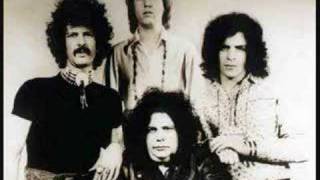
Watch the official Mississippi Queen
music video
A Southern Portrait Made From Broad Strokes
The lyrics build setting quickly. References to Vicksburg and Louisiana place the action near the lower Mississippi River, giving the woman a regional aura of heat, motion, and mystery. She is introduced almost like folklore.
That matters because the song is not written like a realistic diary entry. It uses compressed details to create mood. Calling her a dancer and saying she moved better on wine
does not provide biography; it paints her as sensual, loose, and impossible to ignore.
Interpretation: The woman may be a real person in the lyric, but she also works as a symbol of temptation and initiation. She represents a world the narrator wants to enter.
The Story Under the Swagger
Even with its simple wording, the song has a clear arc:
- The narrator arrives in a Southern setting.
- He encounters an unforgettable woman.
- He becomes emotionally and physically absorbed.
- The relationship starts to cost him something.
That last point is easy to miss because the performance sounds triumphant. But one key turn comes when he says he was losin' mine
while others were socializing and showing off. Beneath the bragging, there is a hint that obsession has replaced balance.
So the song is not only about conquest. It also suggests surrender. The narrator sounds proud, but he is also overwhelmed.
Why the Chorus Feels So Big
The chorus works because it is repetitive and half-winking. The phrase if you know what I mean
invites listeners into the joke without spelling everything out. That kind of line was common in blues-based rock: playful, suggestive, and built for audience response.
Instead of explaining the relationship, the chorus enlarges it. Every time the title returns, the woman becomes more iconic. She stops being just someone the narrator met and starts sounding like the embodiment of Southern rock desire itself.
Mississippi queen
If you know what I mean
Mississippi queen
She taught me everything
That short refrain is the song’s whole argument. She is seductive, memorable, and framed as a teacher in the narrator’s coming-of-age story.
How the Sound Delivers the Meaning
A huge part of the meaning comes from the recording. According to the song’s documented history, “Mississippi Queen” was released in 1970 as a single from Mountain’s debut album Climbing! and became the band’s biggest hit, reaching No. 21 on the Billboard Hot 100. It was produced by Felix Pappalardi, with Leslie West on vocals and guitar, Pappalardi on bass and piano, and Corky Laing on drums and cowbell.
The famous cowbell count-in is essential. It sounds like a starting gun. Then the guitar riff arrives with weight and confidence, making the song feel physical before the story even begins.
Leslie West later said the rhythm guitar sound came from a single Les Paul Junior through a Marshall and Sunn cabinet. That stripped-down heaviness helps explain why the song feels so direct. There is no softness around the edges.
Interpretation: The music turns flirtation into force. The riff does what the lyrics only sketch: it makes the woman’s effect feel immediate and overwhelming.
Artist Context Makes the Song Clearer
Mountain sat at the crossroads of hard rock, blues rock, and early heavy metal. “Mississippi Queen” is often treated as a classic because it captures that shift in rock history: blues-rooted language delivered with rising heavy-rock power.
Songwriting accounts also show how instinctive the song was. Corky Laing brought in an early rhythmic idea, Leslie West built the main riff and fitted words to it, and David Rea and Felix Pappalardi shared writing credit. That origin helps explain the lyric style. It is driven more by feel than by intricate storytelling.
This is also why the song has endured in films, TV, and games. It communicates attitude fast. Listeners do not need every detail to understand the energy.
A Few Strong Alternate Readings
There are two useful ways to hear the song:
The straightforward reading
They can hear it as a lusty rock tale about a mesmerizing woman who changes the singer’s life.
The symbolic reading
They can also hear the queen as a fantasy figure tied to the Mississippi region itself: pleasure, danger, movement, and myth all rolled into one character.
Both readings fit the text. The lyrics stay broad enough to support either one.
The Lasting Takeaway
The meaning of Mississippi Queen Mountain lies in how it turns a brief romantic encounter into a rock myth. The woman in the song is seductive, powerful, and slightly unreal by design.
What keeps the track alive is the match between lyric and sound. The words suggest heat and obsession; the riff and cowbell make listeners feel it instantly.
Disclaimer: This interpretation blends documented facts about the song with lyrical analysis. As with most rock classics, some meaning remains open to listener interpretation.







