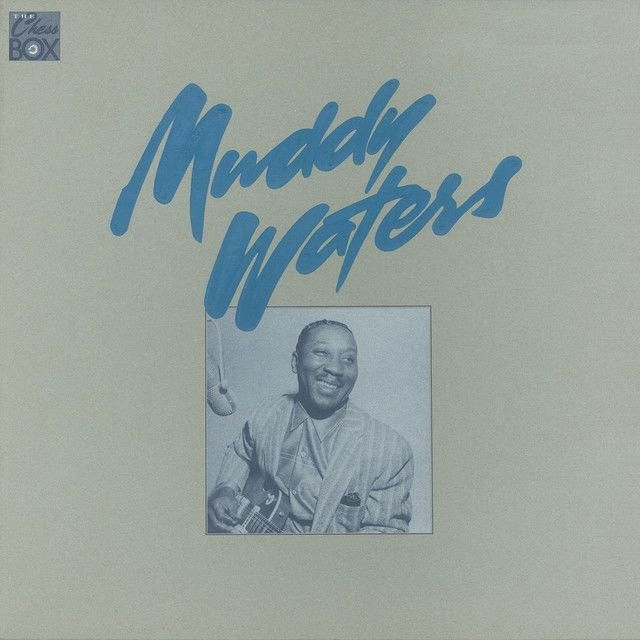
Got My Mojo Working by Muddy Waters
Why This Blues Standard Still Casts a Spell
The meaning of Got My Mojo Working Muddy Waters starts with a simple problem: they have desire, confidence, and a supposed charm for love, but none of it works on the one person they want most. That tension gives the song its sting. It sounds playful and swaggering, yet the center of it is frustration.
"Got My Mojo Working" - Muddy Waters
Got my mojo working, but it just won't work on you
I want to love you so bad till I don't know what to do
Loading lyrics...
Unable to load lyrics
We're unable to display the lyrics at this time. Please try again later.
Factually, the song was written by Preston Foster, first recorded by Ann Cole, and then reshaped into Muddy Waters' famous version in 1957. Waters later turned it into a live showpiece, especially on At Newport 1960. The song also earned major recognition, including a Grammy Hall of Fame honor noted by the Blues Foundation.
Watch the official Got My Mojo Working
music video
The Core Meaning Hides Inside the Hook
At its heart, the song is about romantic failure dressed up as bravado. The singer keeps insisting they have power, but they immediately admit that it won't work on you
. In plain terms, they can attract attention, but not from the one person they cannot stop thinking about.
That is why the song feels larger than a novelty about magic. The word mojo
refers to a hoodoo charm or talisman in African American folk practice. Muddy Waters himself explained, as quoted in Robert Palmer's Deep Blues, that Delta songs often included such imagery because many Black Southerners really believed in it.
Interpretation: Even if a listener does not take the charm literally, the mojo stands for all the things people use to feel powerful in love: style, confidence, reputation, sex appeal, or lucky rituals. The painful twist is that none of those tools can force real feeling.
Hoodoo, Desire, and the Blues World Around It
The line about going to Louisiana for a mojo hand
matters because it places the song in a specific cultural world. This is not random spooky language. It draws from hoodoo traditions that were part of Southern Black life and also appeared in many blues songs.
So when the singer says they are heading south to get stronger love magic, the idea is bigger than travel. They are escalating. Ordinary charm has failed, so they imagine a more powerful remedy.
Got my mojo working
but it just won't work on you
Those two short lines capture the whole conflict. The first half boasts. The second half collapses. That back-and-forth is the emotional engine of the song.
A Voice Full of Swagger, Panic, and Performance
Muddy Waters sings the song like a man trying to talk themselves back into control. They repeat phrases such as Got my mojo working
over and over, not because the idea is settled, but because it is unstable. Repetition becomes self-persuasion.
That is key to the song's meaning. If they were truly secure, they would not need to insist on their power so many times. The repeated hook sounds like a chant, almost halfway between a boast and a plea.
Interpretation: The speaker may be less powerful than they sound. Their big claims hide anxiety. They want command, but what they actually reveal is dependence on one person's response.
How the Story Moves in Just a Few Lines
Even though the lyric is short, it has a clear shape:
- They claim to possess romantic power.
- They admit that power fails with one specific person.
- They vow to seek a stronger charm in Louisiana.
- They imagine bringing others
at my command
.
That last move is important. After rejection, the singer expands the fantasy. Instead of winning one person honestly, they dream of total control. In emotional terms, rejection turns into overcompensation.
This is one reason the song has lasted. It captures a very human reaction: when one person says no, wounded pride tries to make the self feel big again.
The Sound Explains the Meaning as Much as the Words
Musically, Muddy Waters' version is crucial. Research on the song notes that his arrangement shifted away from Ann Cole's more doo-wop feel and toward a driving blues rhythm. Critics have described it as a sturdy jump-blues groove built on a basic 1-4-5 progression.
That pulse matters. The band does not sound mystical or dreamy. It sounds forceful, physical, and relentless. The rhythm pushes forward like desire that refuses to back down.
The harmonica, associated in sources with either Little Walter or James Cotton, adds bite and urgency. Waters' vocal is rough, loud, and communal, especially in live versions. The famous Newport performance turns the song into a public ritual, with call-and-response energy that makes private longing feel like a collective blues release.
Why the Song Became Bigger Than Its Plot
Part of the song's legacy comes from how flexible its symbol became. Over time, many listeners heard mojo
as general confidence or sexual energy, even though the older meaning points more clearly to a tangible charm. That shift helped the song travel beyond its original cultural setting.
It also became a performance anthem. The lyric is easy to remember, the groove is strong, and the chorus invites a crowd in. That helped make it a blues standard recorded by many artists and a landmark in Waters' catalog.
Still, the emotional truth remained the same. No matter how loud the band gets, the singer cannot solve the basic problem. They cannot manufacture mutual love.
The Best Way to Read the Ending
The song never truly resolves. It keeps circling the same failed spell. That circular form is the point. The singer is stuck between belief and defeat, confidence and helplessness.
Interpretation: The meaning of Got My Mojo Working Muddy Waters is not that magic works. It is that desire can make people reach for any story that promises control. The song laughs, struts, and stomps, but underneath it knows a hard truth: love cannot be ordered into existence.
That mix of humor, longing, folklore, and raw groove is why the record still feels alive. It is a great blues song because it turns a boast into a confession.
Disclaimer: This article offers a critical interpretation of the song based on its lyrics, recording history, and cultural context. Meanings can vary from listener to listener.







