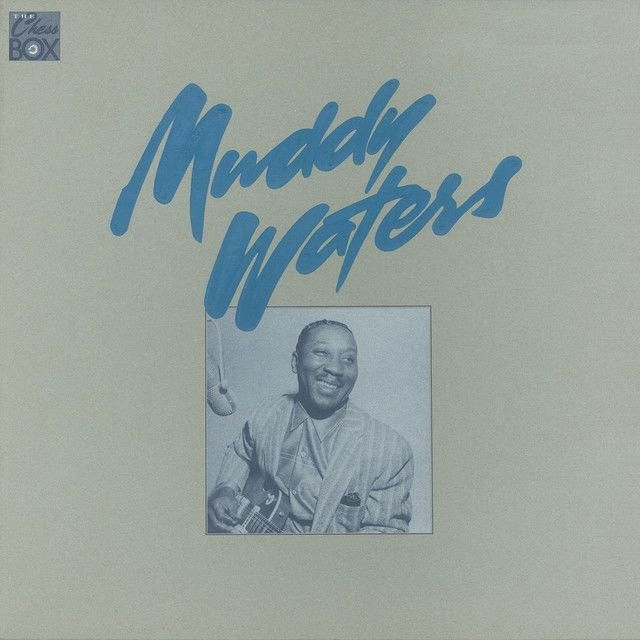
Why Muddy Waters Made a Myth of Himself
The Big Idea Behind the Swagger
The meaning of (I'm Your) Hoochie Coochie Man Muddy Waters starts with a simple idea: this is a song about turning a man into a legend. Rather than telling a sad blues story, the singer builds himself up as chosen, lucky, desired, and impossible to ignore.
"(I'm Your) Hoochie Coochie Man" - Muddy Waters
Before I was born
I got a boy-child's comin'
Loading lyrics...
Unable to load lyrics
We're unable to display the lyrics at this time. Please try again later.
That matters because the song flips a common blues mood. Instead of heartbreak, they hear command. Instead of defeat, they hear a performer who walks in already convinced of his own power. Willie Dixon wrote the song, and Muddy Waters delivered it in a way that made bragging sound like destiny.
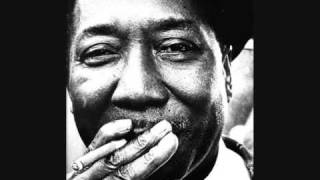
Watch the official (I'm Your) Hoochie Coochie Man
music video
A Prophecy, Not Just a Pickup Line
The opening verse gives the singer an origin story. Before he is even born, a fortune-teller predicts his future. That setup makes his later confidence feel bigger than normal ego. He is not just boasting; he is presenting himself as someone fate already marked out.
Here the key phrase is before I was born
. The idea is that his charisma did not begin in the club or on the street. It was written into his life from the start.
a boy-child's comin'
son-of-a-gun
Those brief lines frame him as trouble and excitement in human form. Interpretation: the song turns masculinity into theater. The singer is not asking to be admired. He declares that admiration is the natural result of who he is.
Hoodoo Symbols Give the Song Its Magic
One reason the track feels so vivid is its use of folk-magic imagery. The singer lists objects like a black cat bone
and a mojo too
. He also names John the Conqueror, a root tied to hoodoo belief and ideas of strength, luck, and protection.
These are not random details. They place the song in a long Southern cultural tradition where luck, charm, danger, and desire all blur together. According to Wikipedia, the lyrics draw directly on hoodoo references, and that blend of folklore and sexuality became one of the song’s signature features.
Interpretation: the magic items do not have to be read literally. They can also stand for style, confidence, and aura. In other words, the singer has “something” that other people feel, even if they cannot explain it.
What the Chorus Really Proves
The refrain keeps returning to public recognition. The singer does not merely claim power in private. He insists that everyone already knows it. That repeated social proof is what makes the chorus hit so hard.
The short line everybody knows I'm here
is less about physical presence than status. He wants the room to understand that his reputation arrives before he does. Then the title phrase hoochie coochie man
works like a crown. It is a name, a role, and a myth all at once.
How the Sound Sells the Meaning
This song would not mean as much without its arrangement. Muddy Waters recorded it in Chicago in 1954 for Chess Records, with a band that included Waters on vocal and guitar, Little Walter on amplified harmonica, Otis Spann on piano, and Willie Dixon on bass. The recording uses famous stop-time breaks, where the band punches a figure and leaves space for the vocal line.
That stop-time design creates tension. Each pause makes the singer sound more important, because the whole band seems to stop and wait for his next statement. When the groove returns, the band swings with force instead of rushing. The result is control, not chaos.
As the Library of Congress registry note reflects through the song’s later preservation, this recording became more than a hit. It became a model. Its riff, pacing, and electric Chicago blues sound helped shape later blues and rock records.
Bragging as Performance and Protection
There is also a deeper social meaning in the song’s confidence. Dixon and Waters were making music in a segregated America where Black male identity was often distorted, limited, or feared by the larger culture. In that setting, a song this bold can sound like a refusal to shrink.
Still, it is important not to overstate one single reading. Muddy Waters reportedly said the lyric had a comic side, and that is easy to hear. The exaggeration is part of the fun. He sounds serious enough to convince listeners, but playful enough to entertain them.
That balance is crucial. The singer is powerful, but they are also performing power. The song lets bravado become art.
Why It Endures
The track became one of Waters’ signature songs, reached the Billboard R&B charts in 1954, and influenced countless artists across blues, rock, and beyond. Its impact lasts because it offers a perfect blues fantasy: a person who is lucky, feared, sexy, and fully known.
For casual listeners, the meaning of (I'm Your) Hoochie Coochie Man Muddy Waters is easy to grasp. It is about swagger. For closer listeners, it is about something richer: self-invention through folklore, rhythm, and voice.
Final Take on the Legend
In the end, the song is not asking whether the singer is truly magical. It asks whether anyone can resist believing him while the band is playing. That is why the record still feels alive.
Interpretation disclaimer: Song meanings can have more than one valid reading. This article separates factual context from interpretation, and some symbolic points remain open to listener debate.








