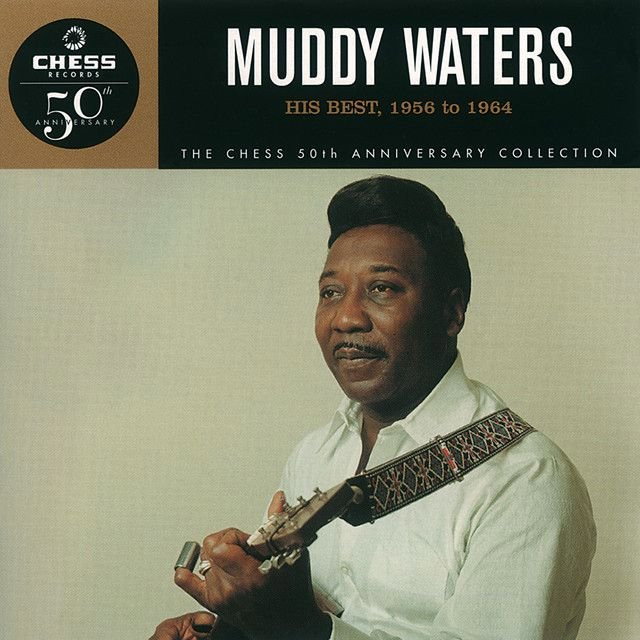
Why Muddy Waters Turns Loss Into Blues Wisdom
The meaning of You Can't Lose What You Ain't Never Had Muddy Waters comes down to a hard, funny truth: people often talk about loss to survive it. In this song, Muddy Waters gives three mini-disasters—a lost lover, lost money, and a burned home—but the hook keeps pushing back with stubborn logic. If something was never secure in the first place, can it truly be lost?
"You Can't Lose What You Ain't Never Had" - Muddy Waters
I lose my baby, ain't that sad?
Oh, you know, once I had a pretty little girl
Loading lyrics...
Unable to load lyrics
We're unable to display the lyrics at this time. Please try again later.
That tension is what makes the song feel so alive. It is sad, but it also smiles through the pain. That mix is central to Waters, a giant of Chicago blues often called the father of the modern electric style.
The Big Idea Hiding in Plain Speech
At first glance, the song sounds like a list of bad breaks. The speaker says he had a girl, then lost her. He had money, then got busted
. He had a home, and it burned down. On paper, that sounds bleak.
But the refrain changes everything. Waters repeats the idea you can't spend what you ain't got
and then lands on you can't lose
what was never really in hand. The song is not denying pain. It is cutting pain down to size.
Interpretation: the hook works like self-protection. Instead of sinking into self-pity, the speaker uses common-sense talk to keep moving. That is a classic blues move: tell the truth, but do not let it beat you.
Watch the official You Can't Lose What You Ain't Never Had
music video
Three Losses, One Shared Pattern
Each verse follows the same emotional design. First comes a claim of possession. Then comes disaster. Then comes the correction.
Love, Money, Shelter
The opening verse frames romance as something fragile. The speaker once had a pretty little girl
, but the sadness arrives almost instantly. In plain terms, the song suggests that love may have looked real, yet never became stable enough to count on.
The second verse moves to money in the bank. That image sounds secure, even respectable. Then the speaker gets in trouble and the money is gone. The lesson is not just about cash. It is about how quickly status can vanish.
The third verse is the harshest because it involves home. A house usually means safety and identity. Yet even here, the song undercuts ownership, even admitting it was my own fault
. That line matters because it adds accountability, not just bad luck.
I had a sweet little home
It got burned down
was my own fault
This brief run shows how the song keeps emotion simple and direct. There is no long explanation. The damage speaks for itself.
Why the Chorus Feels Tougher Than the Verses
The chorus is the song's philosophy. It sounds like folk wisdom passed from one person to another on a front porch, in a bar, or after a long night. That plainness is part of its power.
In blues, repeated lines often do more than summarize. They reshape the whole story. Here, the refrain makes every verse feel less like confession and more like survival training. The singer is almost coaching himself.
Interpretation: the phrase is also a comment on hope. People live by wanting things they do not fully possess—love, savings, safety, control. Waters turns that unstable gap into the song's real subject.
Muddy Waters' Style Makes the Message Land
Facts help here. McKinley Morganfield, known as Muddy Waters, was born in Mississippi and became one of the defining voices of postwar electric blues in Chicago, according to Britannica. He built a style that could sound heavy without becoming slow, and sharp without losing warmth.
That matters for this song's meaning. Waters was known for giving blues a little drive and swagger, not only sorrow. The vocal approach is likely conversational first, musical second. He does not need fancy wording because the authority is in the timing, the grit, and the dry humor.
How the Sound Supports the Theme
Even without overcomplicating the arrangement, blues songs like this usually gain force from repetition, stop-start phrasing, and a groove that feels steady while the story falls apart. Guitar phrases answer the voice. The rhythm keeps walking forward. That musical steadiness tells listeners something important: life may collapse, but the beat does not.
The result is emotional contrast. The lyrics describe loss, while the performance projects control. That is why the song feels resilient rather than defeated.
A Blues Joke With Serious Weight
One reason the song lasts is that it is funny in a deep way. The title sounds almost like a joke, but it carries real philosophy. It is the kind of line people say after getting hurt one too many times.
Interpretation: there are at least two ways to hear it:
- Defensive wisdom. The speaker protects himself by saying the loss was never total because the possession was never secure.
- Quiet tragedy. The line may hide a darker truth: maybe he never truly had love, money, or home in the stable sense he wanted.
That second reading gives the song its sting. It is not just about things disappearing. It is about discovering they were never fully yours.
Why It Still Connects Today
For U.S. listeners now, the song still feels fresh because it speaks a common language about insecurity. Jobs change, savings disappear, relationships break, and homes can feel fragile. Waters turns those fears into something singable.
The meaning of You Can't Lose What You Ain't Never Had Muddy Waters is not that loss is fake. It is that people use wit, rhythm, and blunt honesty to face loss without being destroyed by it. That balance of hurt and toughness is one of the blues' greatest gifts.
Final Take on the Song's Meaning
In the end, Muddy Waters presents loss as both real and arguable. The narrator suffers, but he refuses to surrender the last word. By turning heartbreak into a proverb, the song shows how blues thinking works: speak plainly, admit the damage, then stand back up.
That is why the track feels bigger than its simple lines. It turns bad luck into wisdom and wisdom into style.
Disclaimer: This article offers informed interpretation based on the lyrics, performance style, and historical context. Like many blues songs, the meaning can remain open to more than one reading.







