Why 'I Will Wait' Feels Like a Promise
The meaning of I Will Wait Mumford & Sons comes down to a simple but powerful idea: love, trust, and even faith may need patience before they can be restored. Mumford & Sons turn that idea into an anthem, but the song never loses its humility. Even at its loudest, it sounds like a person admitting fault and choosing commitment anyway.
"I Will Wait" - Mumford & Sons
Like a stone
And I fell heavy into your arms
Loading lyrics...
Unable to load lyrics
We're unable to display the lyrics at this time. Please try again later.
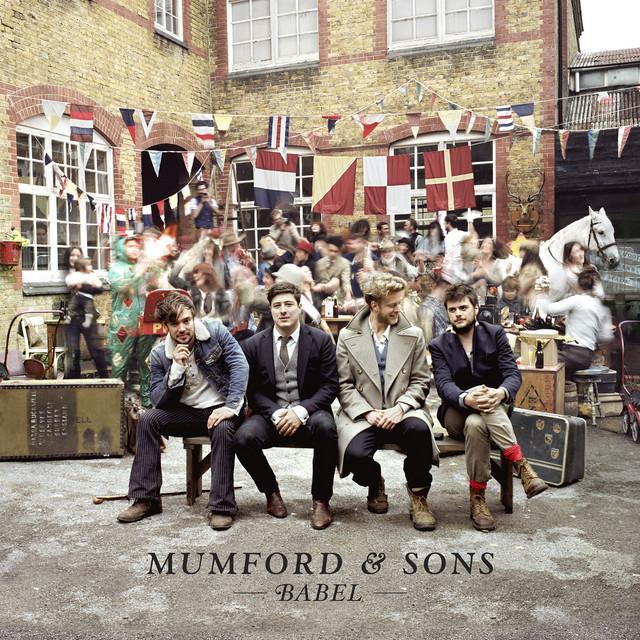
Released in the U.S. on August 7, 2012, as the lead single from Babel, the track became one of the band's defining hits, reaching No. 12 on the Billboard Hot 100 and later earning multi-platinum status in the United States. It was produced by Markus Dravs and Mumford & Sons and is widely tagged as indie folk, folk rock, and bluegrass-influenced. Those facts help explain why it sounded so big in 2012: it brought acoustic urgency into mainstream pop and rock spaces.
The Heart of the Song Is Patient Repair
At the center of the song is someone returning emotionally worn down. Early images suggest heaviness, exhaustion, and a need for comfort. When the speaker arrives home like a stone
, the mood is not triumphant. They sound burdened, as if they know they have been through hard days and may have added pain to the relationship.
From there, the song shifts toward hope. The image of dust giving way to a new sun
suggests renewal after a dry, strained season. In plain terms, the song says that broken periods do not have to last forever.
Interpretation: Most listeners hear this as a reconciliation song. The speaker seems ready to return, be honest, and accept that trust will not come back instantly. Waiting becomes proof of sincerity.

Watch the official I Will Wait
music video
Why the Chorus Hits So Hard
The repeated line I will wait for you
is the emotional anchor. It sounds romantic on the surface, but the wording carries more weight than simple longing. This is not passive waiting. It is a vow to remain steady.
That matters because the verses are full of effort, not fantasy. The speaker remembers forgiveness, asks for inner change, and chooses patience over control. In that light, the chorus means: they cannot force healing, but they can stay present for it.
This reading also matches a common listener response. Across public discussion, many people hear the song as a pledge of patient devotion after failure or distance. That consensus is not official proof of intent, but it fits the lyrics closely.
Humility, Repentance, and Spiritual Imagery
One reason the song feels deeper than a basic love song is its religious language. The speaker says they will kneel down
, know their place, and later asks to be changed from within. There is also the striking request to be freed from falsehood and vanity.
These details give the song a tone of repentance. It is not just about missing someone. It is about surrendering pride.
Raise my hands
Paint my spirit gold
And bow my head
Keep my heart slow
That short passage blends worship-like gestures with emotional discipline. The bowed head suggests humility. The slow heart suggests restraint. Together, they imply a person trying to become worthy of the bond they want back.
Interpretation: This can be heard in at least two ways:
- as a romantic apology shaped by sacred language
- as a spiritual return to God, with relationship language making it human and immediate
Both readings are plausible, and the song works precisely because it does not lock itself into only one.
The Story Moves From Burden to Balance
The verses form a clear emotional timeline:
- The speaker returns carrying emotional weight.
- They recognize a damaged season may pass.
- They accept humility and waiting.
- They remember forgiveness and want to change.
- They aim to use thought and feeling together.
That last point is important. The line about using the head alongside the heart rejects pure impulse. The speaker is not promising grand emotion alone. They are promising maturity.
This is where the song avoids sentimentality. It does not say love solves everything overnight. It says love needs discipline, memory, and self-correction.
How the Sound Turns a Private Vow Into an Anthem
The production helps sell the song's message. The banjo drive, acoustic strumming, kick drum pulse, and group vocals create forward motion from the first seconds. Instead of sounding still, waiting feels active.
That is crucial to the meaning of I Will Wait Mumford & Sons. The arrangement suggests running, climbing, pushing onward. So even when the lyric centers on waiting, the music says devotion has energy.
Critics noticed that combination at the time. Reviews pointed to the shouted refrain, strong percussion, and earnest delivery as part of the song's appeal. The band's rough-edged harmony also matters. Their voices do not sound polished in a distant way; they sound communal, almost like a crowd joining a confession.
That communal feeling explains the song's broad reach. A private promise becomes something thousands can sing together at a show, which is part of why the track crossed into pop, rock, and even country-leaning audiences.
Why So Many People Relate to It
The song leaves enough open space for listeners to enter with their own story. Some hear a partner asking for another chance. Others hear recovery from emotional withdrawal. Others hear faith rediscovered after a dry spell.
There is even an audience anecdote often repeated online that Marcus Mumford once introduced it as being about being a good neighbour
. Whether listeners take that literally or loosely, the idea fits the song's ethics: service, patience, humility, and showing up for others.
Final Take on Its Lasting Meaning
In the end, "I Will Wait" lasts because it joins apology to action. It is about devotion tested by time, pride brought low, and the hope that change can make love livable again.
That is why the song still lands so strongly: it does not celebrate perfect romance. It celebrates the harder choice to remain faithful, grounded, and willing to grow.
Disclaimer: This interpretation is based on the song's lyrics, musical details, and public reception. Like most great songs, it can support more than one valid reading.







