Why 'Little Lion Man' Still Hits So Hard
The meaning of Little Lion Man Mumford & Sons comes down to a painful idea: a person can know they caused harm, admit it, and still feel trapped in the same habits that caused the damage. That mix of confession, shame, and self-attack is what gives the song its force.
"Little Lion Man" - Mumford & Sons
You'll never be what is in your heart
Weep Little Lion Man
Loading lyrics...
Unable to load lyrics
We're unable to display the lyrics at this time. Please try again later.
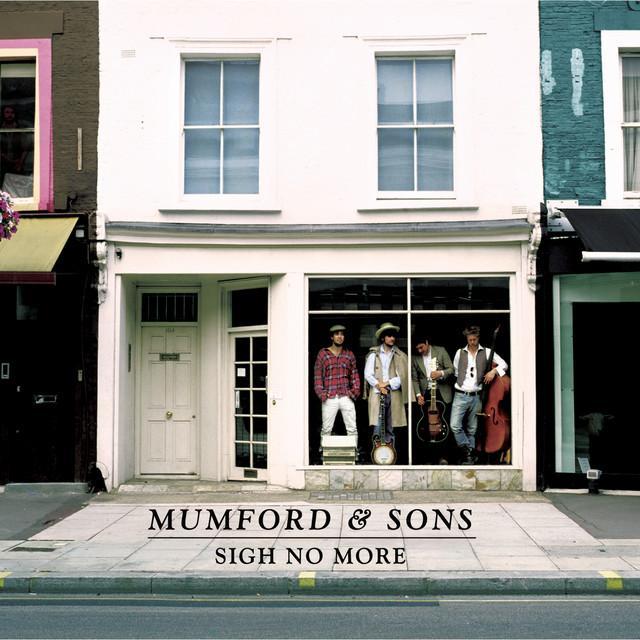
Released in 2009 on Sigh No More, the track helped introduce Mumford & Sons to a wide audience during the folk-rock boom of the late 2000s. It was written by the band’s four members and became one of their breakthrough songs. Factually, it sits at the center of the group’s early identity: acoustic drive, emotional volume, and lyrics that sound both old-fashioned and sharply modern.
A Fight Between Pride and Regret
At its core, the song sounds like someone giving themselves a brutal lecture after hurting another person. The verses are full of commands and warnings. Phrases like weep for yourself
and tremble for yourself
are not comforting. They are accusing.
That matters because the song is not just sad. It is angry at the self. The narrator seems to see their own flaws clearly: fear, ego, and a habit of turning inner problems into real-world damage. When they talk about fixing problems made in your own head
, the lyric points to self-sabotage. The crisis begins inside, but it spills out onto someone else.
Interpretation: This is why the song feels bigger than a simple breakup ballad. It is about what happens when insecurity becomes destructive.

Watch the official Little Lion Man
music video
The Chorus Turns Blame Into Confession
The chorus is where the song stops circling and lands its emotional blow. Instead of keeping the focus on weakness or false bravery, it becomes a direct admission. The key phrase not your fault but mine
changes the whole perspective.
Before that moment, the song sounds like a person tearing themselves apart. In the chorus, they finally say why: someone else was hurt. The line about a heart being on the line makes the stakes personal and intimate, and the blunt confession that they messed it up gives the song its famous sting.
This is the emotional engine of the meaning of Little Lion Man Mumford & Sons. The narrator is not asking for pity. They are owning failure, though they still sound too shaken to fully move past it.
Why the "Little Lion" Image Matters
The title image is one of the song’s smartest choices. A lion usually suggests courage, dominance, and pride. But a little lion suggests someone who wants that strength and cannot fully live up to it.
That gap between image and reality drives the whole lyric. The narrator wants to be bold, but they are scared. They want to be noble, but they are petty. They want to protect love, but they damage it.
Another cutting phrase, not as brave
, underlines that fall from confidence. The song seems to remember an earlier version of the self that felt stronger, or at least believed it did. Now that image has collapsed.
How the Sound Makes the Shame Explode
A big reason the song connected so strongly is its arrangement. Mumford & Sons build the track with acoustic guitar, banjo, bass, and pounding rhythm, then let Marcus Mumford’s voice strain upward until the emotion feels nearly uncontained.
That sound matters to the song’s meaning. The lyrics describe inward damage, but the music makes it public and physical. The quick strumming and stomping pulse feel restless, like a mind that cannot calm down. The group harmonies add a communal lift, almost turning private guilt into an anthem.
Interpretation: This contrast is crucial. The song is about self-reproach, but it does not whisper. It shouts. That makes the confession feel urgent rather than passive.
A Song About Masculinity, Too
There is another layer in the repeated use of my man
. The phrase sounds conversational, but it also hints at pressure around toughness and male pride. The song keeps measuring the self against bravery, grace, boldness, and control.
That is why the insults hit so hard. They are not random. They attack a failed idea of manhood—the belief that strength should come naturally, that emotional damage can be controlled, and that pride will somehow protect love.
In that light, the song becomes partly about the collapse of that pose. The narrator cannot hide behind it anymore. All they can do is admit the wreckage.
Why Listeners Still Return to It
Part of the song’s staying power is how direct it is. Many confession songs soften their message with distance or poetic fog. This one does not. Even when it uses metaphor, its emotional target is clear: someone acted badly, knows it, and cannot escape the truth.
It also leaves room for listeners to step in. Some hear a breakup song. Others hear a person battling anxiety, shame, or immaturity. Both readings work because the lyric keeps the wound personal but the cause broad.
The Lasting Takeaway
The meaning of Little Lion Man Mumford & Sons lies in its clash between self-image and self-knowledge. It is about wanting to be strong, realizing they were not, and facing the pain that failure caused.
That is why the song still lands. Its folk-rock rush feels huge, but the emotion inside it is painfully familiar.
Disclaimer: This interpretation is based on the lyrics, the recording, and publicly known context. As with most songs, listeners may reasonably hear different meanings in it.







