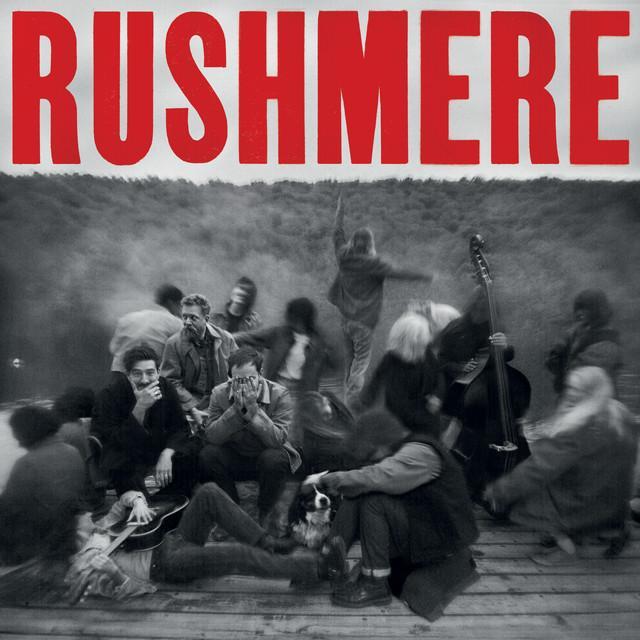
Rushmere by Mumford & Sons
Mumford & Sons built Rushmere
around a simple but powerful idea: a place can hold the version of them they thought they had lost. For listeners searching for the meaning of Rushmere Mumford & Sons, the song feels like a reunion with youth, risk, and emotional honesty.
"Rushmere" - Mumford & Sons
The wildness in the eye?
Come home late in the morning light
Loading lyrics...
Unable to load lyrics
We're unable to display the lyrics at this time. Please try again later.
That reading fits the real-world context. The title comes from the pond on Wimbledon Common where the three members first met, and the band’s 2025 album marks their first studio release in nearly seven years. After lineup changes and a long gap, they return to an origin point both literal and emotional.
A Place Name That Becomes a State of Mind
On the surface, the lyrics look backward. They remember late nights, fairgrounds, empty lawns, and the kind of freedom that feels messy while it is happening. The opening asks whether they still miss that old breathlessness
and that untamed spark.
But the song is not just a memory piece. It also shows someone trying to wake up in the present. When the singer admits he was still a secret to myself
, the line suggests that youth was not only exciting. It was also confusing, unfinished, and hard to understand from the inside.
Interpretation: Rushmere is both a real location and a symbol for a lost inner life. The song suggests that growing older can bury that self, but not erase it.
The Chorus Turns Nostalgia Into a Plea
The chorus is where the song stops sounding like reflection and starts sounding urgent. The phrase wasted in the dark
does not read like celebration. It sounds more like disorientation, as if they are cut off from clarity and trying to be seen again.
That is why the next lines matter so much. The singer wants to get his head out of the ground and asks time not to fail them again. In plain terms, they are not only missing the past. They are afraid of staying stuck.
“There’s madness and magic in the rain
There’s beauty in the pain”
This is the song’s emotional center. It argues that pain and wonder often arrive together. Rather than deny loss, the lyric tells them to face it honestly and still find value in being alive.
How the Story Moves From Memory to Motion
The verses unfold almost like scenes from a photo album, but each image adds pressure to move forward.
Early scenes of freedom
They remember staying out too late and drifting through half-dreaming city nights. Those details create a reckless, intimate mood.
A shared escape
Then the song shifts toward community: getting lost in crowds, making mistakes, wasting time without guilt. Those memories feel precious because they happened before life became so measured.
A hard truth
Later, the lyric admits some things are gone for good. What is lost is buried deep, and self-deception will not help. This gives the song its adult weight.
A final push
By the ending, the voice is no longer simply reminiscing. It insists there is a whole life in a glimpse
. That phrase suggests change can happen quickly if they are willing to see clearly.
Sound and Production Carry the Meaning
The music reinforces this emotional journey. Coverage around the single described it as a return to roots, and that feels accurate. The arrangement leans on banjo, acoustic drive, and a rising, communal energy that recalls the band’s early folk-rock identity, while still sounding fuller and more seasoned.
According to the album credits summarized by Wikipedia, the track was written by Marcus Mumford, Ben Lovett, Ted Dwane, Natalie Hemby, and Greg Kurstin, and the album was produced by Mumford & Sons with Dave Cobb. On the title track, Marcus Mumford plays banjo, Matt Menefee adds banjo, and brass players contribute trumpet and trombone, helping the song build toward an anthemic release.
That matters for interpretation. The banjo links the band to its earliest public image, while the bigger mix and brass give the song a wider emotional frame. It sounds like memory made larger than life.
Why “Rushmere” Hits Hard in This Career Moment
Context sharpens the meaning of Rushmere Mumford & Sons. This is the trio’s first studio album after Winston Marshall’s 2021 departure, and the full album Rushmere was released on March 28, 2025. The title track arrived first, almost as a statement of identity.
The band reportedly framed the album as a return to where it all
began. That makes the song more than personal nostalgia. It becomes a public reset: a way of saying they still know who they are, even after years of change.
Its reception also supports that role. The album reached No. 1 on the UK Albums Chart and No. 19 on the US Billboard 200, showing that this return-to-origin idea connected beyond longtime fans.
One Song, Two Strong Readings
There are at least two convincing ways to hear the song:
- Personal reading: It is about recovering a younger self that felt freer, messier, and more alive.
- Band reading: It is about Mumford & Sons reconnecting with their creative beginnings after a difficult chapter.
Both can be true at once. The strongest songs often work because private emotion and public context overlap.
The Lasting Meaning of “Rushmere”
In the end, “Rushmere” is not asking to relive the past exactly as it was. It is asking whether the openness, hunger, and honesty of that time can survive into adulthood. The song treats memory as a spark, not a hiding place.
That is why it lands. It knows some things are gone, but it refuses numbness. Instead, it reaches for motion, recognition, and renewed life.
Interpretation disclaimer: Song meaning is partly subjective. This reading is based on the released lyrics, credited context, and documented band history, but other listeners may hear different meanings in “Rushmere.”








