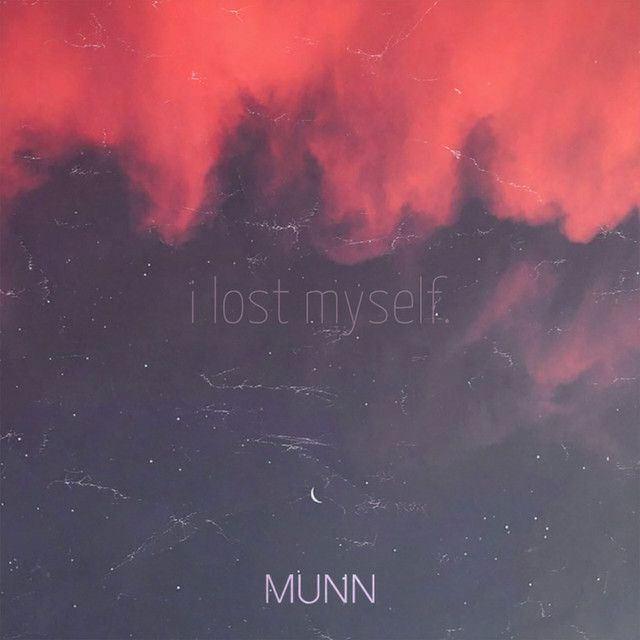
Why "I Lost Myself" by Munn Hits So Hard
The meaning of I Lost Myself Munn comes down to one painful idea: they are trying to outrun a version of themselves they no longer want to be. The song is about regret, guilt, and the exhausting effort to prove that a person has changed.
"I Lost Myself" - Munn
I threw it all away
Those are the things I've hated
Loading lyrics...
Unable to load lyrics
We're unable to display the lyrics at this time. Please try again later.
That emotional core matches what Munn said about the track. In an American Songwriter feature, they explained that the song grew out of personal regret and the feeling that past mistakes were still following them. They also said they wanted it to be honest but relatable, which helps explain why the lyrics feel direct instead of overly poetic.
A Confession Wrapped in Motion
At the center of the song is a person who knows they made a serious mistake. Early lines like I lost myself that night
and I threw it all away
do not describe the event in detail, but they do not need to. The point is the aftermath.
Instead of focusing on what happened, the song focuses on what it feels like after. They feel split, ashamed, and unable to settle. That is why the image of the heart being in two places matters so much. One part is tied to home and safety, while another is still racing forward in panic.
Interpretation: This split suggests more than regret over one bad choice. It points to a deeper identity crisis, where they do not fully trust who they are anymore.
Watch the official I Lost Myself
music video
The Chorus Turns Guilt Into a Chase
The most memorable idea in the song is movement. The repeated phrases about running away
and going two opposite ways
turn inner conflict into something physical.
That is a smart writing move. Regret is hard to describe, but almost everyone understands the feeling of being chased. Here, the pursuer is the past. They are not only trying to escape old actions; they are also trying to escape the story other people have built around those actions.
The hook about not letting the past drag me down
gives the song its backbone. It is defensive, but it is also determined. They may be hurting, but they are still resisting.
A Timeline of Shame and Self-Repair
The song unfolds in a clear emotional order:
- They admit a moment of collapse.
- They realize the damage cannot be undone quickly.
- They feel guilt settling into the body and mind.
- They try to outrun both memory and judgment.
- They insist they have changed, even if others do not believe it.
That last point is what gives the song extra force. Near the end, the speaker is no longer only battling private guilt. They are also dealing with an outside audience that still sees them through the lens of the past.
Swear I've changed
I'm not the same
This is the article’s only multi-line lyric quote, and even here the meaning is simple: they want recognition for growth, but the people around them may not be ready to give it.
Family, Demons, and the Weight of Memory
One of the most revealing details is the reference to their mother’s words. It suggests they were warned, or at least guided, before things fell apart. Recalling that advice after the damage is done adds another layer of pain: not just regret, but regret mixed with hindsight.
The song also uses the word “demons,” which is common in pop writing but effective here. It points to recurring thoughts, shame, anxiety, or habits that keep returning. The burden is not shown as one clean lesson learned. It feels ongoing.
Interpretation: The “demons” do not have to mean one dramatic incident. They can represent the way guilt repeats itself, especially at night or in quiet moments when there is no distraction.
How the Sound Supports the Meaning
The production story matters to the meaning of I Lost Myself Munn. According to American Songwriter, Munn recorded the song in a bedroom in Indiana before moving to Nashville, using minimal gear and no fancy studio setup.
That stripped-down origin fits the track well. Even without overexplaining the arrangement, listeners can hear a sense of closeness and urgency. The song feels less like a polished performance and more like a late-night admission.
Munn also said they often write best with just a guitar late at night, which helps explain the song’s confessional tone. There is a rawness in the repetition, and the repeated hook works almost like obsessive thinking. Instead of sounding lazy, it sounds trapped.
Why Listeners Connect With It
Part of the song’s appeal is that it never names the exact mistake. That makes it easier for listeners to place their own story inside it. A breakup, betrayal, addiction, self-sabotage, or one terrible choice could all fit.
Munn told American Songwriter they wanted people to know they are not alone and are stronger than they think. That perspective keeps the song from becoming pure despair. It hurts, but it also pushes toward survival.
The Real Takeaway From "I Lost Myself"
In the end, the meaning of I Lost Myself Munn is not just that someone messed up. It is that they are stuck in the hard middle space between confession and forgiveness.
The song understands that change is real, but so is memory. Its power comes from refusing to simplify either one. They want freedom from the past, yet they know freedom is not something they can claim alone if others still hold on to the old version of them.
That tension is what makes the song resonate. It sounds like someone trying to become whole again while the past keeps calling their name.
Disclaimer: This interpretation combines documented artist comments with lyrical analysis. Meaning can vary from listener to listener.








