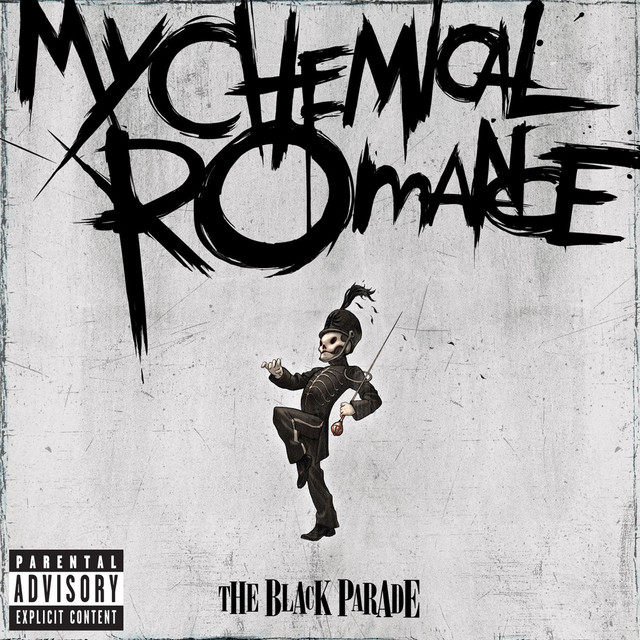
I Don't Love You by My Chemical Romance
The meaning of I Don't Love You My Chemical Romance starts with a breakup, but it does not end there. On the surface, this is a song about a bond collapsing in real time. Underneath, it is also about pride, emotional damage, and the hard need to hear the truth spoken out loud.
"I Don't Love You" - My Chemical Romance
Just don't ever think I'll make you try to stay
And maybe when you get back
Loading lyrics...
Unable to load lyrics
We're unable to display the lyrics at this time. Please try again later.
My Chemical Romance released the song on The Black Parade, their 2006 concept album, and it later became the third single in 2007. It was written by all five members and produced by the band with Rob Cavallo. In the album’s larger story, many listeners connect it to the Patient, the record’s dying central character, confronting the end of love as life itself feels unstable.
A breakup song that asks for honesty
The song’s central drama is simple: one person feels the relationship is over before the other person is brave enough to admit it. Instead of begging for reunion, the speaker almost dares the other person to say the painful thing directly. That is why the chorus hits so hard. The line I don't love you
is not just rejection. It becomes a test of honesty.
That emotional setup is what makes the song feel harsher than a normal sad ballad. The speaker sounds wounded, but they also sound bitter and defensive. Phrases like when you go
and get out while you can
suggest someone trying to take control of a situation they already know is slipping away.

Watch the official I Don't Love You
music video
Where it fits inside The Black Parade
According to widely cited album summaries, the song is often read as part of the Patient’s story: a person nearing death realizes love is fading too. That reading matters because it gives the track a double loss. It is not only romance ending. It is romance ending in the shadow of mortality.
This context helps explain why the song feels so final. It is less about changing someone’s mind than forcing a moment of truth before it is too late. In that sense, the refrain is almost a demand for emotional closure.
Gerard Way’s own twist on the meaning
There is also an important artist comment that broadens the song beyond a breakup. Gerard Way said it was about being dead and about people not liking the band, adding that the point was defiance: people may hate them, but they are still here. That makes the song more than a relationship scene. It can also be heard as My Chemical Romance answering critics with hurt pride and stubborn survival.
Interpretation: This does not erase the breakup meaning. Instead, it gives the lyrics two mirrors. One mirror reflects a failing relationship. The other reflects public rejection, where love from fans, media, or culture feels uncertain.
The lyrics turn pain into confrontation
One reason listeners keep returning to this song is the way its images mix emotional and physical damage. The song mentions crying, pleading, debt, and being knocked down. Short phrases such as cry so hard
and another blow
make the pain feel bruised, not just sad.
That has led to different readings. Some critics and fans hear an abusive relationship. Others hear a boxing metaphor, especially because the song includes imagery like take your gloves
. A smaller, more controversial reading links the song to sex work and exploitation. None of these interpretations is proven as the single correct answer, but they all grow from the same lyrical pattern: love here feels violent, costly, and humiliating.
Why the sound matters so much
Musically, “I Don’t Love You” works as an emo power ballad. It opens with restraint, then slowly grows larger until the chorus lands with full emotional weight. Critics have called it the band’s first real power ballad, and that label fits because the arrangement uses contrast so well.
The quieter verses feel intimate, almost like someone trying to stay composed. Then the band widens the frame. The guitars rise, the drums push harder, and Gerard Way’s voice shifts from wounded to nearly theatrical. Ray Toro’s guitar work adds lift without making the song feel flashy, which keeps the emotion centered.
That balance is key to the meaning of I Don't Love You My Chemical Romance. The production makes heartbreak sound public and dramatic, as if private pain has spilled onto a stage. It is polished, but never cold.
A song born early, then shaped for a bigger vision
Research on the song’s background notes that it was one of the early tracks demoed while the band was touring after Three Cheers for Sweet Revenge. That early origin matters because it shows the song was not an afterthought ballad added for variety. It was part of the emotional architecture of The Black Parade from early on.
The finished version also fits the album’s style perfectly: classic rock scale, theatrical emotion, and clean songwriting that still leaves room for ambiguity. That mix helped the song connect widely. It reached No. 13 in the UK and later earned Platinum certification in the United States.
Why it still connects
The song lasts because it captures a feeling many people know but cannot easily say: the moment when love is clearly weaker, yet nobody wants to speak the final sentence. My Chemical Romance turns that hesitation into a showdown.
Interpretation: The song’s real power may be that it refuses pure self-pity. The speaker is hurt, but they are also angry, proud, and maybe even trying to protect themselves by striking first. That emotional messiness feels true to life.
The final takeaway
For most listeners, the meaning of I Don't Love You My Chemical Romance is about breakup, denial, and the need for honest closure. In the world of The Black Parade, that pain becomes even heavier because love is ending beside death. And through Gerard Way’s comments, the song also carries a streak of artistic defiance.
That blend is why it remains one of the band’s most affecting songs: it is tender, resentful, dramatic, and brutally direct at the same time.
Disclaimer: Song meaning is always part fact and part interpretation. The reading above combines album context, artist comments, and close lyric analysis, but listeners may reasonably hear the song differently.








