Why 'Teenagers' Still Hits a Nerve
The meaning of Teenagers My Chemical Romance comes down to one sharp idea: society is scared of young people, but it also helps create the fear it complains about. My Chemical Romance turn that contradiction into a loud, catchy song that sounds fun on the surface and deeply uneasy underneath.
"Teenagers" - My Chemical Romance
With all the lies in the books
To make a citizen out of you
Loading lyrics...
Unable to load lyrics
We're unable to display the lyrics at this time. Please try again later.
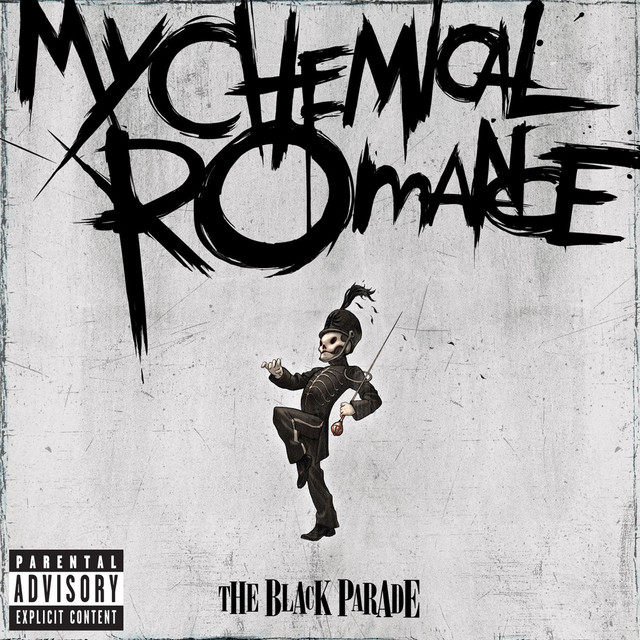
Released on The Black Parade in 2006 and later issued as a single in 2007, Teenagers
became one of the band’s biggest songs. It was eventually certified six-times platinum in the United States and passed one billion Spotify streams in 2024, showing how long its message has lasted. Those facts are widely documented in major reference coverage of the song and its chart history.
A Chorus That Sounds Like a Joke, Until It Doesn't
At first, the hook feels exaggerated and almost cartoonish. The repeated line about how teenagers scare
adults sounds like a blunt joke. But the verses reveal that the song is not simply mocking kids.
Instead, it shows a world where adults watch, judge, and discipline them. The opening lines describe authority figures trying to clean up your looks
and shape someone into a proper citizen. That phrasing suggests control over identity, appearance, and behavior. Teenagers are not being understood as people; they are being managed.
Interpretation: The song uses an adult fear statement on purpose. By making the chorus so memorable, the band exposes how easy it is to reduce young people to a threat.

Watch the official Teenagers
music video
What the Verses Say About Power
The clearest idea in the song is that fear of youth is tied to systems of control. The lyrics paint schools, families, and institutions as places where young people are monitored and pushed toward conformity. When the song mentions becoming part of a murder machine
, it turns that pressure into a brutal image.
That phrase suggests more than ordinary rebellion. It hints that society can grind down individuality and then act shocked when violence appears. Gerard Way backed up that reading in interviews, describing the track as a commentary on kids being viewed as “meat” by society and government, and as a song about violence among teens in America.
This matters because the song never treats youth anger as random. It connects aggression to humiliation, exclusion, and social neglect. The line about ambitions being torn apart is especially important. The song argues that when adults dismiss teens, they also damage their future.
Bullying, Shame, and the Threat Under the Surface
One of the strongest sections moves from clique behavior to something much darker. The verses describe social cruelty, name-calling, and never fitting in. Then the song hints that pain can turn dangerous.
What you got under your shirt
will make them pay
That is the article’s only multi-line lyric quote, and it matters because it points directly toward school violence without needing graphic detail. The song suggests that a bullied teenager may be seen only after tragedy is already close.
Interpretation: This is not a celebration of revenge. It is a warning. The band seem to be saying that adults often ignore everyday cruelty until it explodes.
That reading matches Gerard Way’s comments that the song explores teen violence and the wider American problem of kids hurting kids. In that sense, the track is not only about teenagers. It is about the culture around them.
Why the Sound Makes the Message Stronger
Part of what makes the meaning of Teenagers My Chemical Romance so effective is the mismatch between sound and subject. Musically, it is punchy, simple, and built for shouting along. Critics have linked its style to glam rock and swaggering classic rock acts like T. Rex and Slade.
The recording opens with a tight, palm-muted guitar figure, and a vibraslap appears before the choruses, giving the song a slightly playful snap. There is also a sing-along feel to the guitar work that keeps the track moving. Producers Rob Cavallo and the band give it a bright, almost mischievous energy.
That choice is smart. If the song had been slow and tragic, its message might have felt heavy-handed. Instead, the upbeat charge mirrors the way panic around youth often gets packaged as entertainment, headlines, or slogans.
The Artist Context Behind the Lyrics
Gerard Way said the song began after feeling out of place around high-school students on a New York subway. That real moment of discomfort became something bigger: a reflection on generational fear.
He also said onstage that the song was about what many fans were and what he used to be. That comment matters because it shows empathy. The song is not written from a distance. It comes from someone remembering what it felt like to be young, judged, and misunderstood.
The music video pushes the theme further. Set in a high-school gym, it shows a performance turning into chaos, with threatening authority imagery and a youth-crowd clash. Its ending included a message supporting youth violence prevention, which makes the song’s concern clear.
Why It Still Connects
The song keeps returning because its target is bigger than one era. Adults still stereotype teenagers as reckless, dangerous, lazy, or impossible to understand. At the same time, young people still deal with bullying, surveillance, and pressure to perform a version of respectability.
That is why the chorus still works in different ways. Some listeners hear sarcasm. Others hear a real adult fear voice. The best reading may be both at once. The song captures a loop: adults fear teens, teens feel attacked, and the tension grows.
The Last Word on Its Meaning
In the end, the meaning of Teenagers My Chemical Romance is not that teenagers are the problem. It is that society often treats them like one, then acts surprised by the damage that follows. The song is catchy enough to feel like an anthem, but pointed enough to work as social criticism.
That balance is why it has lasted. It is rebellious, funny, and unsettling in the same breath.
Disclaimer: This interpretation combines documented artist comments, release context, and close reading of the lyrics. Like any song, it can support more than one reasonable meaning.








