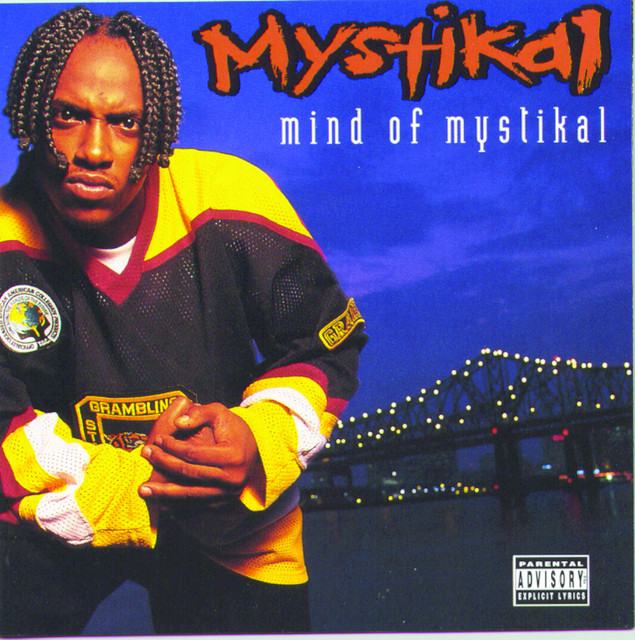
Why “Here I Go” Is Mystikal’s Purest Threat
The meaning of Here I Go Mystikal comes down to one idea: arrival as intimidation. This is not a storytelling song in the usual sense. It is a performance of force. Mystikal steps into the track like a fighter entering an arena, then spends the verses proving why nobody in front of him is ready.
"Here I Go" - Mystikal
What you, what you gon'?
What you, what you gon' do?
Loading lyrics...
Unable to load lyrics
We're unable to display the lyrics at this time. Please try again later.
Released on Mind of Mystikal in 1995, the song belongs to Mystikal’s early Jive era, before his biggest crossover hits. According to widely cited career summaries, Mystikal is a New Orleans rapper known for a rough, high-pressure vocal style, and “Here I Go” came during a period of local rap rivalries and response records. That context helps explain why the song feels so confrontational and so focused on rank, respect, and survival.
The Core Meaning Hides in Plain Sight
At heart, the song is a battle cry. Mystikal is not asking for acceptance; they are announcing command. The hook, built around Here I go
and the man right 'chea
, works like a self-introduction and a warning at the same time.
The repeated phrase says more than “I’m here.” It means: the contest starts now. Every time the hook returns, it resets the mood and reminds listeners that the rapper sees themself as the main event.
Interpretation: The song’s deeper point is not just confidence. It is the belief that rap is combat. In that frame, skill becomes strength, and performance becomes conquest.
Watch the official Here I Go
music video
A Voice That Treats Rap Like a Ring
Mystikal’s narrator speaks in first person, but the song still creates a public scene. They address rivals, doubters, and anyone who might test them. Lines like get ready to rumble
and bring a body bag
turn rap competition into fight-night language.
That matters because the song does not separate art from aggression. They boast about rhyme skill, but they describe it through physical danger, pressure, and knockout imagery. Even when the target is lyrical, the vocabulary is violent and athletic.
Who Is the Song Talking To?
Mostly, it targets unnamed opponents. The lyrics challenge other rappers, weak imitators, and general enemies. The broad target helps the track feel bigger than a single diss. It becomes a statement of identity: Mystikal is the one who attacks first and loudest.
How the Verses Build the Song’s Message
The structure is simple but effective:
- The hook announces arrival.
- The first verse establishes fear and readiness.
- The second and third verses pile up insults, threats, and boasts.
- The chorus keeps returning like a bell between rounds.
That design supports the meaning of Here I Go Mystikal because the song is less about change than escalation. It does not move toward reflection. It moves toward total dominance.
One key line is I can't fuck with my damn self
. Paraphrased, Mystikal is saying they are beyond comparison. Nobody else can match them, and even they cannot top their own level. It is absurd on purpose, which is exactly why it works as rap bravado.
Images of Animals, Weapons, and Chaos
The lyrics keep returning to a few strong motifs:
- fighting and boxing
- blades and execution imagery
- animals like sharks, coyotes, and alligators
- fire, impact, and bodily danger
These images all do the same job. They make Mystikal seem less like a person calmly speaking and more like a force of nature. When they compare themself to predators or to someone charging straight for the throat, the point is clear: opponents are prey.
Interpretation: The song’s aggression is theatrical. It exaggerates danger to show how rap competition felt in that era—public, ego-driven, and tied to regional pride.
Why the Sound Matters as Much as the Lyrics
Mystikal’s style is central to the song’s meaning. Biographical summaries often describe his voice as a brash Southern rasp, and that description fits perfectly here. He does not just rap the words; they bark, shout, and lunge through them.
That delivery changes the song. On paper, some lines are standard battle-rap boasts. In performance, they sound unstable, charged, and nearly physical. The flow uses bursts of rhythm and stacked rhymes to create pressure, as if the verse is crowding the listener.
The production supports that mood. The beat is spare, hard, and repetitive enough to leave room for the voice to dominate. Instead of smoothing out the performance, the track frames it like a cage. That makes the hook feel huge and the verses feel like attacks.
Artist Context Makes the Song Clearer
“Here I Go” arrived early in Mystikal’s rise. Career accounts note that they first emerged through New Orleans’ Big Boy Records before moving into wider national visibility. That local scene mattered. Southern rap in the mid-1990s often prized loud personality, neighborhood loyalty, and direct competition.
So this song can be heard as more than random aggression. It is part of an artist building a reputation. Before major chart success, they needed records that made people remember the voice, the energy, and the threat level. “Here I Go” does exactly that.
The Best Way to Read the Song
The simplest reading is still the strongest one: this is a declaration of supremacy. Mystikal treats the microphone like a weapon and the song like an entrance march.
A second reading is also possible. Interpretation: Beneath all the threats, the record shows how insecurity gets transformed into style. By insisting they are untouchable, the rapper performs control in a world where status must be defended loudly and constantly.
Final Take on the Meaning
The meaning of Here I Go Mystikal is not hidden in symbolism or plot twists. It is in the force of the entrance. Mystikal uses repetition, combat imagery, and a famously explosive voice to turn self-confidence into spectacle.
That is why the song still lands. It captures an artist introducing themself not with charm, but with pressure.
Disclaimer: This interpretation is based on the lyrics, performance, and available career context. Song meaning can vary from listener to listener.








