When Love Stops Acting Real
The meaning of The Masquerade Is Over Nancy Wilson, Cannonball Adderley comes down to one painful insight: a relationship can still look whole after its feeling has already faded. This song is not about a sudden betrayal or a loud breakup. It is about the slower, sadder moment when someone notices that the sparkle is gone and the old gestures now feel like a performance.
"The Masquerade Is Over" - Nancy Wilson, Cannonball Adderley
And my dreams are drifting away
Your eyes don't shine like they used to shine
Loading lyrics...
Unable to load lyrics
We're unable to display the lyrics at this time. Please try again later.
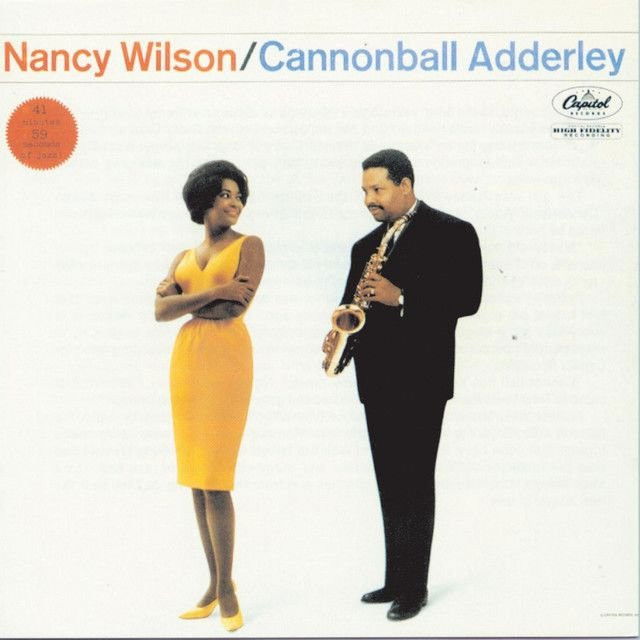
Originally written by Allie Wrubel and Herbert Magidson, the song became a standard long before Nancy Wilson and Cannonball Adderley gave it one of its most memorable jazz readings. Their collaboration came on the 1961 album Nancy Wilson/Cannonball Adderley, released by Capitol, a record widely praised for blending vocal jazz intimacy with soulful ensemble playing.
A breakup revealed in small changes
What makes this lyric hit so hard is its attention to detail. The singer does not point to one dramatic event. Instead, they notice little shifts: a dimmer look, less meaning in familiar words, and affection that no longer lands the same way.
That is why phrases like blue horizon
and turning grey
matter. They show hope draining out of the relationship. The future once felt open and bright, but now it looks dull and uncertain.
The song also tracks emotional recognition through the body. When the singer says the old thrill is gone, they are admitting that physical closeness cannot cover over emotional distance. The relationship still has form, but not life.
Watch the official The Masquerade Is Over
music video
Why the title says everything
The central image is brilliantly simple. A masquerade is a masked event, a place where appearance hides truth. In this song, the lovers have been moving through the motions, but the mask can no longer hold.
When the lyric lands on the masquerade is over
, it means the illusion has collapsed. The singer finally sees that what looked like love was, at least by the end, partly habit, routine, and denial.
Interpretation: The title suggests both people may have participated in the act, even if only one person fully realizes it first. That gives the song its aching tension. It is not just sadness over lost love; it is sadness over having believed in something that was already slipping away.
The Pagliacci image makes the pain deeper
One of the song’s smartest touches is its reference to Pagliacci, the tragic clown from opera. That allusion turns private heartbreak into a wider image of public performance.
play Pagliacci
clown's disguise
tears in my eyes
The idea is clear even without the full lyric: the singer may have to act cheerful while hurting inside. That fits the larger theme perfectly. First, the relationship itself was a kind of performance. Then, after the truth appears, the singer must perform again just to survive the loss.
How Nancy Wilson and Cannonball Adderley shape the meaning
Nancy Wilson’s gift was control. She rarely oversang a sad lyric, and that restraint is essential here. Rather than making the song melodramatic, they deliver it with calm sadness, which makes the realization feel mature and devastating.
Cannonball Adderley’s ensemble supports that feeling with warm, moody jazz textures. The arrangement does not rush the song. Its measured tempo and spacious phrasing allow each emotional discovery to sink in. Brass and rhythm do not overpower the story; they frame it like a late-night confession.
This matters for the meaning of The Masquerade Is Over Nancy Wilson, Cannonball Adderley because the performance suggests acceptance as much as pain. They are not only mourning love. They are facing truth.
Surface sameness, inner difference
Near the end, the lyric reaches one of its most human ideas: the other person looks unchanged, yet something essential is different. That contrast between outer sameness and inner loss is the whole song in miniature.
The heartbreak is not that the partner became unrecognizable. It is that they seem almost the same, while the emotional bond has quietly vanished. That is often how endings feel in real life. Nothing obvious has broken, yet everything has changed.
Interpretation: This is why the song remains powerful across decades. It captures emotional disillusionment, not just breakup. Listeners may hear it as a romance ending, but they may also hear a broader truth about trust, appearances, and the moment reality cuts through hope.
Why the song still lasts
Many standards survive because they leave room for singers to inhabit them. This one endures because its language is direct, its metaphor is elegant, and its feeling is universal. Anyone who has sensed distance before hearing it spoken can recognize the song’s world.
Wilson and Adderley make that world feel intimate rather than theatrical. Even with the mask and clown imagery, they keep the performance grounded in everyday sorrow. The result is a version that feels sophisticated yet plainspoken.
Final takeaway
At its core, this song is about the instant when pretending stops working. Love has not ended in public spectacle; it has faded in tone, touch, and meaning. Nancy Wilson and Cannonball Adderley turn that realization into something graceful, honest, and quietly crushing.
Disclaimer: This interpretation is based on the lyrics, performance, and commonly discussed musical context. As with many classic songs, listeners may hear additional meanings in it.
Sources
- https://www.discogs.com/master/383187-Nancy-Wilson-Cannonball-Adderley-Nancy-WilsonCannonball-Adderley
- https://www.allmusic.com/album/nancy-wilson-cannonball-adderley-mw0000654891
- https://www.britannica.com/biography/Nancy-Wilson-American-singer
- https://www.britannica.com/biography/Cannonball-Adderley









