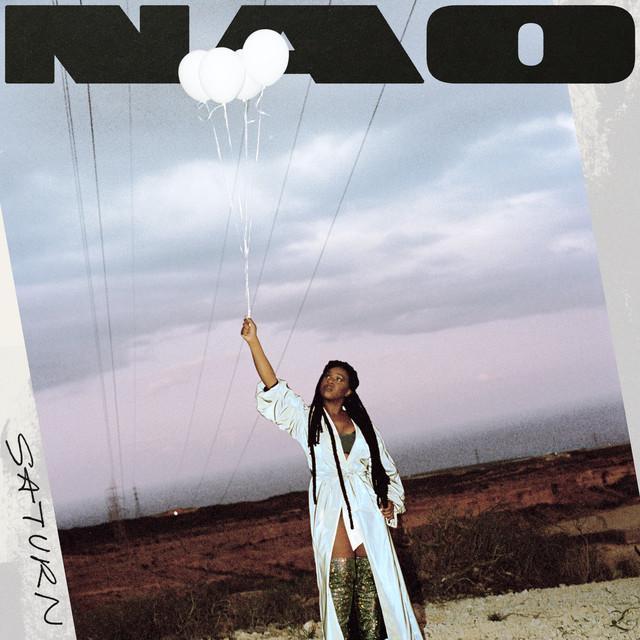
Drive and Disconnect by Nao
The meaning of Drive and Disconnect Nao centers on escape: not just leaving a place, but leaving a mental state. The song captures the moment when pressure becomes too much and movement feels like the only answer. In Nao’s hands, driving is not simple freedom. It is relief, avoidance, and self-protection all at once.
"Drive and Disconnect" - Nao
Drive me away, I
See 'em come, come, coming
Loading lyrics...
Unable to load lyrics
We're unable to display the lyrics at this time. Please try again later.
A Getaway Song With a Nervous Heart
At its core, the track describes someone who feels chased by stress, memory, or emotional demands. Early lines suggest urgency and fear, with the repeated motion of run, run, running
and people or problems seeming to close in. They do not want to stay trapped in the same emotional weather.
That is why the hook matters so much. When Nao repeats we drive and we disconnect
, the song turns escape into a ritual. They are not just taking a ride. They are trying to cut the signal between themselves and whatever is hurting them.
Interpretation: The word “disconnect” can mean leaving a relationship, but it can also mean shutting out anxiety, social pressure, or a crowded world. The song leaves room for both.
Watch the official Drive and Disconnect
music video
How the Verses Build the Need to Leave
The lyrics move in a clear emotional pattern:
- Pressure appears and starts to close in.
- The narrator wants a different place, away from the “madness.”
- Someone asks them to stay, but they cannot.
- The chorus turns departure into a final decision.
A key detail is the push-and-pull in the middle of the song. The narrator hears someone asking them not to go, yet they still feel unable to remain. That conflict makes the track more than a pure freedom anthem. It sounds like leaving hurts, even if staying would hurt more.
When the lyric says tell me to stay
, the song briefly opens a door to closeness. But that door closes fast. The narrator has already crossed some inner line. They cannot pretend anymore.
The Chorus Turns Motion Into Meaning
The chorus is simple, but it carries the whole song. The phrase send my best, no regrets
sounds calm on the surface, yet it is emotionally complicated. It suggests a farewell that tries to be graceful, even while the heart is unsettled.
The next thought, with the wind, I'm gone
, makes the departure feel almost instantaneous. Wind is hard to hold onto. It moves quickly and leaves nothing solid behind. That image fits a narrator who wants to disappear before they are pulled back in.
Heaven know
Look what you do to me
This short repeated passage gives the song its most exposed emotional moment. After all the movement and resistance, the narrator admits that another person or force has real power over them. That confession is important because it shows the drive away is not cold. It is reactive and deeply felt.
Symbols That Keep the Song Open
The main symbols are easy to hear but rich in meaning:
Cars and roads
Driving suggests agency. Even if life feels chaotic, they can still choose direction. At the same time, roads also imply distance and separation. Every mile creates emotional space.
Wind
Wind points to speed, change, and impermanence. It makes the escape feel natural but unstable, as if the relief could vanish just as fast.
Madness
The mention of madness broadens the song. This may be about romance, but it may also be about burnout, public noise, or inner turmoil. The word is vague enough to carry all three.
Nao’s Style Helps the Story Land
Nao is known for blending R&B, soul, and electronic pop textures, a style often described in coverage of their work around For All We Know and later releases. Their vocal approach usually mixes softness with tension, which fits this song’s emotional split: they want peace, but they sing from inside unrest.
The production here supports that reading. The beat feels smooth and gliding, like a night drive, but the repetition creates a subtle trapped feeling. Instead of sounding wild, the song sounds controlled. That choice matters. It suggests the narrator is trying to hold themselves together while making a difficult exit.
Factually, the song’s credited writers are Ajay Bhattacharyya, Jeffrey Gittleman, Neo Jessica Joshua, and Sarah Aarons. Those names point to a polished pop-R&B writing environment, which helps explain why the hook is so lean and memorable.
Two Strong Readings of the Song
Interpretation 1: Leaving a relationship
This is the most direct reading. Someone has caused emotional damage, and the narrator knows staying will only deepen it. The repeated need to leave, plus the line about what “you do to me,” supports that idea.
Interpretation 2: Escaping overwhelm
The song also works as a portrait of burnout or overstimulation. The people “coming,” the search for a better place, and the urge to disconnect all sound like someone trying to get out from under pressure. In that reading, the drive is a coping mechanism.
Both readings can be true at once. A relationship may be the trigger, while the deeper subject is emotional survival.
Why the Song Still Connects
The meaning of Drive and Disconnect Nao lasts because it captures a modern feeling: the wish to vanish for a while without fully explaining why. They sing about escape in a way that feels intimate, not dramatic. That makes the song easy to recognize in real life.
In the end, “Drive and Disconnect” is about choosing distance when closeness becomes unbearable. It understands that leaving can be sad, necessary, and freeing at the same time.
Disclaimer: This interpretation is based on the released lyrics, songwriting credits, and Nao’s broader artistic style. Like many songs, it can support more than one meaning.









