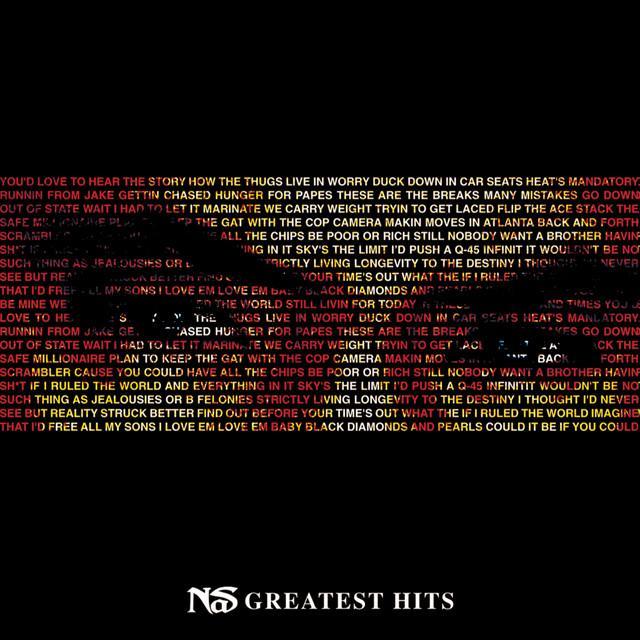
Why "I Can" by Nas Still Inspires
Nas made many songs about pressure, survival, and street reality. But the meaning of I Can Nas stands out because it points in a different direction: toward hope, discipline, and possibility.
"I Can" - Nas
Be what I wanna be (be what I wanna be)
If I work hard at it (If I work hard it)
Loading lyrics...
Unable to load lyrics
We're unable to display the lyrics at this time. Please try again later.
Released as a single from God's Son in 2003, I Can
became Nas's highest-charting lead single, reaching No. 12 on the Billboard Hot 100, according to publicly available chart summaries. It was produced by Salaam Remi and built around Beethoven's Für Elise
, which gave it an instantly recognizable sound. Those facts matter because the song was designed to reach beyond core rap fans and speak to kids, parents, and classrooms at the same time.
The Big Message Hiding in Plain Sound
At its core, the song says young people have agency. Nas uses the chorus to turn a simple affirmation into a mission statement: be what I wanna be
only becomes real if they work hard at it
. That balance is key.
He is not selling empty positivity. They hear a promise, but also a condition. Dreams are possible, yet they require effort, patience, and choices that protect the future instead of damaging it.
Interpretation: This is why the song still feels powerful. It does not just flatter children; it respects them enough to tell the truth.

Watch the official I Can
music video
Nas Speaks Like a Mentor, Not a Preacher
One reason the record connects is its direct address. Nas talks to B-Boys and girls
, then broadens the message to boys, girls, and children in struggling neighborhoods. He sounds like an older brother, teacher, and neighborhood elder all at once.
In the first two verses, he gives warnings. He describes talent being wasted by addiction, and he warns young girls not to rush into adult situations before they are ready. He also tells young boys that illiteracy, drifting, and substance use can close doors for years. The lesson is not subtle: bad habits can shrink a life long before adulthood begins.
That plain-spoken approach helped the song cross over. Some critics praised its inspirational tone, while others found it too close to a public-service message. Even so, its staying power suggests listeners valued its clarity more than its coolness.
A Song About Choice, Not Just Confidence
The most important part of the meaning of I Can Nas is that the song is about decision-making. Nas presents two paths over and over:
- growth or self-destruction
- learning or ignorance
- patience or reckless speed
- self-respect or imitation
This structure gives the track its emotional force. He shows children what success could look like, then shows what can derail it. The point is not fear for its own sake. It is consequence.
In other words, the song argues that identity is built. A person is not trapped by where they start, but they can be trapped by what they repeat.
Why the History Verse Matters So Much
The third verse is where the song becomes bigger than self-help. Nas reaches back before slavery and reminds listeners of African empires, scholarship, and power. He mentions places associated with knowledge and wealth, including Timbuktu and Kush, to counter racist narratives that reduce Black history to suffering alone.
This shift matters because empowerment in the song is not only personal. It is cultural. Nas is telling young Black listeners that they come from brilliance, not from emptiness.
Read more, learn more
change the globe
That short passage captures the song's worldview. Education is not just for getting a job. It is a tool for dignity, independence, and historical recovery.
Interpretation: Some details in Nas's history lesson are compressed and poetic rather than academic. But the larger aim is clear: he wants listeners to replace inherited shame with inherited possibility.
How the Beat Turns the Lesson Into an Anthem
The production is a huge part of why the record lasts. Salaam Remi blends the piano line from Beethoven's Für Elise
with a classic hip-hop drum pattern. The result feels halfway between a school recital and a street cipher.
That contrast is perfect for the song's message. Classical piano can suggest seriousness, learning, and tradition. The drums keep it grounded in rap and give it momentum. Together, they make the advice feel memorable instead of dry.
The children's voices on the chorus matter too. They turn the hook into a communal chant rather than a solo boast. When kids repeat the message, the song sounds like a circle of encouragement, not a lecture from above.
Why "I Can" Hit So Hard in 2003
Nas released the song during an era when mainstream rap often rewarded menace, excess, and shock value. Against that backdrop, Hold your head up
sounded almost radical. It offered a different model of masculinity and success—one tied to reading, patience, and responsibility.
That does not mean the song is simple. It still carries Nas's realism. He knows the dangers are real, and he names them directly. But he refuses to pretend those dangers are the whole story.
That tension explains why the song worked both commercially and culturally. It was catchy enough for radio, but useful enough for real life.
The Lasting Meaning of "I Can" by Nas
The lasting meaning of I Can Nas is that self-belief only matters when it is joined to knowledge, discipline, and historical awareness. Nas tells children they can dream big, but he also tells them how easily dreams can be lost.
That mix of hope and warning is what gives the song its staying power. It is motivational, yes, but it is also protective.
Disclaimer: This interpretation is based on the song's lyrics, production, and public reception. As with any art, listeners may hear meanings that differ from this reading.








