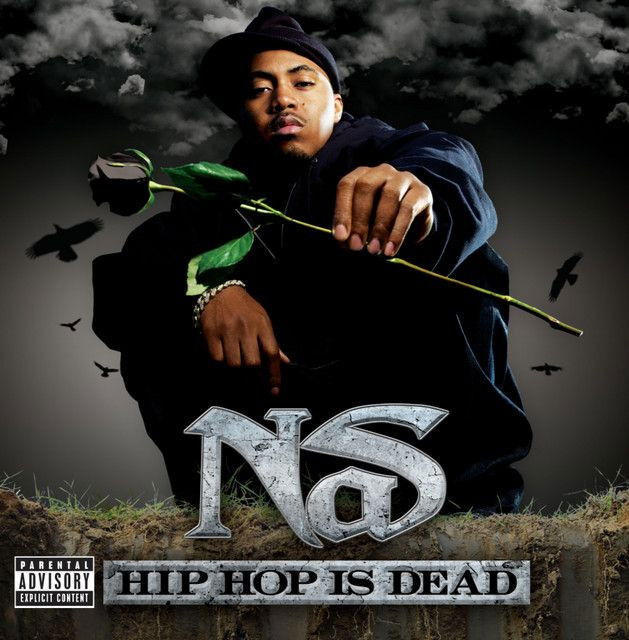
Black Republican by Nas, JAY-Z
Why This Reunion Song Matters
The meaning of Black Republican Nas, JAY-Z starts with a reunion. The track brought together two rap giants after one of hip-hop’s most famous rivalries. It appeared on Nas’s 2006 album Hip Hop Is Dead, released by Def Jam, where JAY-Z was serving as president of the label at the time. That context matters because the song is not just a feature; it is a public statement about conflict, success, and shared roots.
"Black Republican" - Nas ft. JAY-Z
Turn the motherfuckin' lights down
Esco, what up?
Loading lyrics...
Unable to load lyrics
We're unable to display the lyrics at this time. Please try again later.
At the center of the record is a hard question: what happens when artists become rich and powerful but still feel tied to the neighborhood that made them? The title itself is meant to provoke. It suggests someone who has money, influence, and conservative-looking success, yet still carries the history, pressure, and pain of the hood.
Watch the official Black Republican
music video
The Core Meaning Behind the Hook
The hook gives the song’s main tension. Nas frames himself with the phrase black republican
, then quickly balances that image with loyalty to home. In plain terms, he is saying success can change a person’s public image, but it does not erase where they came from.
He follows that with ideas about still loving the hood and not being able to fully clean up his life. Short phrases like too much thug in 'em
and back in the hood
show that conflict. The song is not praising self-destruction. Instead, it describes how hard it is to separate ambition from environment, especially when both helped build the artist’s identity.
Interpretation: the hook is less about party politics than about contradiction. It asks whether Black wealth in America is ever seen as fully respectable, and whether street credibility can ever be safely left behind.
Nas Turns a Feud Into a Bigger Lesson
Nas’s first verse widens the song beyond politics. He looks back at friendship, broken trust, and how success can damage old bonds. Without naming every detail directly, he describes a close relationship that once felt strong and then got strained by pressure, ego, and competition.
That is where the song becomes more than a Nas and JAY-Z peace treaty. It becomes a study of how people from the same struggle can still turn against each other once money and fame arrive. Nas points to jealousy, pride, and status symbols as accelerants. His basketball-style image about tension between positions on the same team turns private conflict into a larger warning: when the team fights itself, everybody loses.
JAY-Z’s Verse Expands the Social Picture
JAY-Z’s verse shifts from personal rivalry to street reality. He returns to the neighborhood not as a hero above it, but as someone still surrounded by its dreams and traps. He paints scenes of people wanting luxury while living under pressure, with prison, hustling, and envy never far away.
A phrase like grey skies
stands in for limited options and heavy mood. Later, when he describes street politics
, he suggests that young people are often pushed by forces bigger than themselves. The song’s strongest social point may be this: crime is not presented as an abstract moral failure, but as something shaped by poverty, status anxiety, and the need to escape.
That makes JAY-Z’s verse a useful partner to Nas’s. Nas focuses on what success does to friendships. JAY-Z focuses on what the environment keeps doing to the people left behind.
How the Sound Supports the Message
The production, credited in part to Wyatt Coleman and built around a dramatic sample lineage that includes Carmine Coppola in the writing credits, gives the song a serious, cinematic feel. It is not lush or celebratory. The beat moves with patience, letting both rappers sound reflective rather than rushed.
The opening studio talk helps too. It creates the feeling of an event before the verses even begin, as if both artists know listeners are waiting for history. Once the song starts, the instrumental leaves room for dense writing and controlled delivery. That choice matters because the track is about thought and tension, not spectacle.
Interpretation: the stately beat makes the title feel ironic. The music sounds grand, but the verses keep returning to danger, memory, and unfinished business.
The Most Important Lines, Briefly Decoded
One short passage captures the song’s emotional knot:
Can't turn my back on the hood
too much love for them
Those lines explain why the song never lands on a simple answer. They show attachment, guilt, and duty all at once. Even after wealth arrives, the speakers do not feel free from where they came from. They are pulled back by love, identity, and the knowledge that success did not solve the system around them.
Context Shapes the Meaning
For many listeners, the biggest story around the song was the Nas and JAY-Z collaboration itself after their earlier feud, widely documented in hip-hop coverage and album histories from outlets like Rolling Stone and The New York Times. That history shapes how the song is heard. Every line about rivalry, strain, and reunion feels sharper because listeners know the backstory.
At the same time, the song avoids turning into a victory lap. Neither artist pretends maturity erases the past. Instead, they present success as complicated. Fame brings access and power, but it can also deepen old contradictions.
Final Take on the Meaning of Black Republican Nas, JAY-Z
The meaning of Black Republican Nas, JAY-Z is about dual identity: wealth and wounds, progress and pullback, public success and private pressure. The song argues that making it out does not mean being done with the hood, or with the emotional cost of coming from it.
That is why the track still works. It is a reunion record, but also a social portrait. It asks what Black success looks like in America when respectability, loyalty, survival, and ambition all collide.
Disclaimer: This interpretation blends widely known context with close reading of the lyrics and sound. Like all song meaning pieces, some points are interpretive rather than confirmed artist intent.







