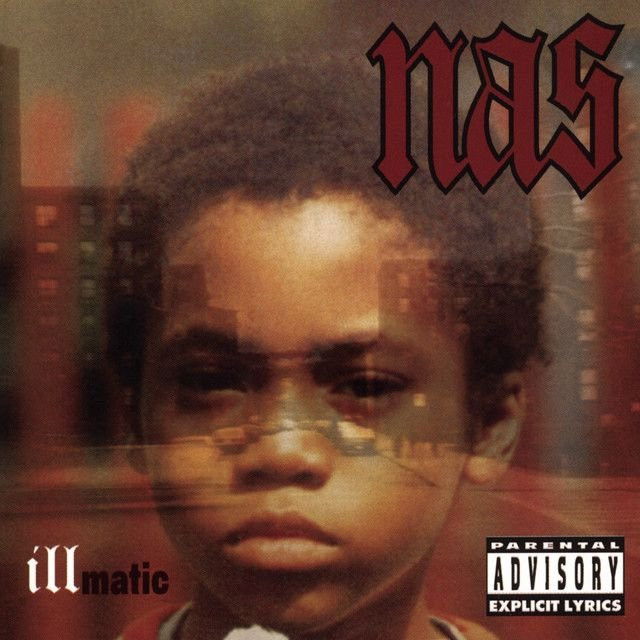
How Nas Turns Trauma Into Art on “Memory Lane”
Why This Nas Song Still Hits So Hard
The meaning of Memory Lane (Sittin' in da Park) Nas comes down to one idea: they turn personal memory into a street-level history lesson. On the surface, the song sounds like a look back at youth, block parties, hustling, and lost friends. But underneath that, it is about how growing up in Queensbridge shaped Nas as both a writer and witness.
"Memory Lane (Sittin' in da Park)" - Nas
Word, word
Fuck that other shit, you know what I'm sayin'?
Loading lyrics...
Unable to load lyrics
We're unable to display the lyrics at this time. Please try again later.
“Memory Lane (Sittin' in da Park)” appears on Illmatic, Nas’s 1994 debut album, and is widely seen as one of the record’s defining tracks. According to the Nas Wiki entry on the song, it was produced by DJ Premier and built from samples including Reuben Wilson’s “We’re in Love,” plus pieces of Marley Marl and Biz Markie. That mix matters because it gives the track warmth, grit, and a sense of old memories rising back to the surface.
Nas later told XXL that what they saw in Queensbridge felt important because it was “real life,” not normal childhood experience. That comment helps explain why the song sounds so detailed and urgent: they are not just reminiscing for fun. They are preserving a world.

Watch the official Memory Lane (Sittin' in da Park)
music video
More Than Nostalgia, Less Than Celebration
A casual listener might hear the title and expect a soft, sentimental trip into the past. The song does not do that. It remembers joy and neighborhood energy, but it also remembers violence, addiction, police pressure, and grief.
When Nas says trip straight through memory lane
, they frame the song as a guided walk through lived experience. Yet those memories are not neat or romantic. A line about a friend being killed over a coat turns the act of remembering into mourning.
Interpretation: the song argues that memory is never neutral. For someone from Queensbridge, the past includes music, friendship, danger, and loss all at once. That tension is what gives the track its power.
Queensbridge as Setting, Symbol, and Origin Story
A map of place and identity
The repeated hook about Comin' outta Queensbridge
is more than geographic pride. It tells listeners where this voice comes from and what conditions shaped it. Nas presents Queensbridge Houses not just as a backdrop, but as the engine of their perspective.
They move between scenes of park jams, dice games, hallway talk, and street economics. The details feel documentary-like. Instead of speaking in broad slogans, they show local habits, names, and pressures.
Now, let me take a trip down memory laneComin' outta Queensbridge
That short hook works like a thesis statement. The song is about remembering, but always remembering from a specific place.
The neighborhood is beautiful and brutal
Nas balances affection with honesty. They clearly love the culture that raised them, but they refuse to hide the damage inside it. A phrase like park jams
suggests community and music. A phrase like shootouts, drug overdoses
immediately darkens the picture.
That contrast is central to the meaning of Memory Lane (Sittin' in da Park) Nas. Queensbridge is shown as both home and hazard. The song never chooses one side only.
How the Verses Build a Survivor’s Testimony
The first verse introduces Nas as an MC with range and purpose. Early on, they say they rap for many kinds of people, suggesting that their voice belongs to the block but reaches beyond it. That broad audience matters because the song is not just private therapy; it is public storytelling.
From there, the writing gets more vivid. Memories of youth are mixed with images of weapons, hustling, and sudden death. Even when the flow sounds smooth, the content stays uneasy. The point is not to shock. The point is to show what daily life looked like.
In the second verse, the lens widens. Nas describes a world where some friends are dead, some are incarcerated, and many are trapped in the same social rank. The song’s sadness grows because it is not about one isolated tragedy. It is about a whole system of limited outcomes.
Interpretation: this is why the track feels bigger than memoir. Nas uses personal scenes to describe structural problems—poverty, violence, and the way ambition gets boxed in.
Why DJ Premier’s Beat Matters So Much
DJ Premier reportedly said in an XXL oral history that Nas picked the Reuben Wilson sample, and Premier wanted to make the beat “funkier” than the others on Illmatic. That production choice is crucial to the song’s meaning.
The instrumental is soulful but dusty, relaxed but haunted. The loop feels like an old photograph with motion still inside it. It creates room for Nas to sound reflective without losing street tension.
Premier’s scratches and chopped vocal bits also reinforce the song’s idea of memory. The track itself feels assembled from fragments, the way memory often works. Pieces return, repeat, and gain new meaning as the verses deepen.
The Song’s Real Message About Rap
One of the most striking parts of the track is how Nas treats rap as a way to survive mentally and spiritually. They are not only describing the street; they are transforming it into language. When they insist that rap is real, they draw a line between honest expression and empty performance.
That makes “Memory Lane” partly a statement of artistic mission. Nas is saying their authority comes from observation, not image-making. Their pen turns chaos into pattern.
This also helps explain why Illmatic became so respected in hip-hop history. Songs like this showed that technical skill and lived detail could work together at the highest level.
Final Take on “Memory Lane”
The meaning of Memory Lane (Sittin' in da Park) Nas is not simply about looking back. It is about documenting a community with love, pain, and precision. Nas remembers the block as a place that gave them identity, language, and scars.
That is why the song still connects decades later. It sounds personal, but it also sounds historical. They are telling listeners that memory can be a form of truth-telling.
Disclaimer: This article offers an interpretation of the song based on the recording, publicly available artist comments, and historical context. Meaning can vary from listener to listener.








