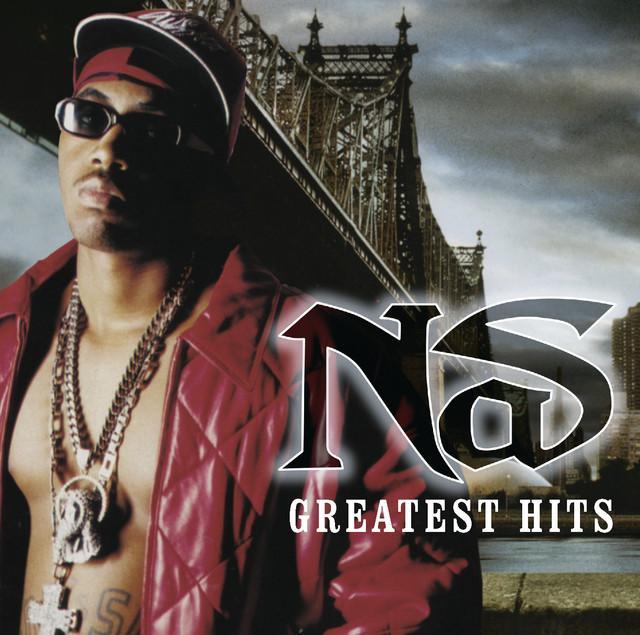
Why “Nas Is Like” Defines Nas So Well
The meaning of Nas Is Like Nas comes down to self-definition. On this 1999 single, they do not just brag about skill. They build a portrait of a rapper whose identity holds opposite truths at once: street realism and mythmaking, fame and danger, wealth and mortality.
"Nas Is Like" - Nas
Same time a man is murdered, the beginning and end
As far as rap go, it's only natural I explain
Loading lyrics...
Unable to load lyrics
We're unable to display the lyrics at this time. Please try again later.
Released as the lead single from I Am..., the song reunited Nas with DJ Premier, one of their most important collaborators. According to available release data, the track came out on February 20, 1999, and became one of the clearest signs that Nas was leaning back into a sharper, more lyrical style after the commercial turn of parts of It Was Written and The Firm era material. It also performed well, reaching No. 3 on the U.S. Rap Songs chart and No. 86 on the Billboard Hot 100.
A Self-Portrait Made of Contradictions
At its core, the song asks: who is Nas, really? Their answer is never simple. The first verse opens by placing birth and murder side by side, showing a world where beginnings and endings happen together. That is the moral landscape of the whole track.
From there, they explain the making of the artist. They move from early name changes to hard-earned fame, while also describing addiction, shootings, and jail. In plain terms, Nas presents themselves as someone shaped by the street but able to step back and narrate it.
A short phrase like “the beginning and end”
captures that idea. Life in the song is cyclical, unstable, and morally mixed. Interpretation: this is why the track feels deeper than a standard rap introduction. They are not only saying who they are; they are saying what kind of world produced them.

Watch the official Nas Is Like
music video
More Than Bragging, Less Than Confession
One reason the meaning of Nas Is Like Nas still lands is the balance between ego and reflection. Nas sounds fully confident, but that confidence is constantly tested by bigger questions.
In the second verse, they celebrate the climb from cheap watches and project life to serious money and property. Yet they quickly undercut the fantasy by reminding listeners that wealth cannot follow anyone into the grave. A phrase like “history’s made”
matters more than cash itself.
That shift is important. Many rap songs of the era flaunted success. Nas does too, but they also ask whether any person is truly worthy of fame. Interpretation: the song suggests that legacy is the only form of riches that can outlast death.
Why the Hook Feels So Big
The chorus is one of the smartest parts of the song. Instead of one clear definition, Nas uses a long chain of comparisons. They become force, sensation, memory, fear, and desire all at once.
A phrase like “Earth, Wind & Fire”
gives the hook scale. It makes Nas feel elemental, almost beyond a normal human category. Later comparisons stretch from violence to spirituality to luxury, making the portrait deliberately oversized.
This is why the refrain works so well. It turns identity into accumulation. Interpretation: Nas is saying that a rap legend cannot be summed up with one trait. They are a whole atmosphere.
Street Scripture and Mythmaking
The song’s imagery keeps moving between the everyday and the timeless. There are corners, rooftops, guns, and jail cells, but also stars, tarot, and pharaoh imagery. That blend turns local experience into legend.
A line like “street scriptures”
is a strong clue. Nas treats hard-won knowledge from Queensbridge as sacred text. They are documenting survival, but they are also elevating it.
That matters because the song never sounds trapped by realism. It sounds like someone taking neighborhood memory and placing it inside a larger Black historical and spiritual frame. Interpretation: when Nas links themselves to ancient symbols, they are not escaping the street story. They are giving it permanence.
How DJ Premier’s Beat Carries the Meaning
The production is crucial to why the song feels so authoritative. DJ Premier built the beat from a chopped sample sourced from a 1960s religious recording, later identified as John Rydgren and Bob R. Way’s “What Child Is This?”. Premier described finding the record by accident and reshaping it into the track’s signature loop.
That origin matters. The beat sounds tense, elegant, and slightly haunted. The chopped strings feel dramatic, while the drums hit with a hard New York snap. Bird chirps and scratches add movement without softening the mood.
“Nas is like”
“Iron Mike, messiah type”
Even in this tiny excerpt, the delivery rides the beat like a statement of destiny. Critics noticed the fit right away. AllMusic’s M.F. DiBella praised Premier’s work as near “Illmatic perfection”, and that judgment still makes sense. The instrumental gives Nas room to sound both grounded and larger than life.
Context Matters: A Return to Core Nas
Historically, the song arrived at an important moment. By 1999, some fans wanted Nas to reconnect with the harder lyrical edge associated with Illmatic. “Nas Is Like” helped answer that demand.
The track was the sixth Nas and DJ Premier collaboration, and it reminded listeners how sharp that pairing could be. Its influence has lasted too. Later artists such as Kendrick Lamar, J. Cole, and Wale have all referenced or revisited the song or its beat in some form.
That reach says a lot. The song became more than a single. It became a blueprint for how to make rap music that is technical, reflective, and instantly memorable.
The Last Word on the Meaning
So, what is the meaning of Nas Is Like Nas? It is a self-portrait where greatness never erases vulnerability. Nas presents themselves as a rapper forged by violence, ambition, knowledge, temptation, and survival.
What makes the song endure is that they never choose just one identity. They are star and witness, hustler and historian, mortal and myth. That tension is the whole point.
Disclaimer: This interpretation is based on the lyrics, production, artist context, and public reception. As with any song, meaning can vary from listener to listener.









