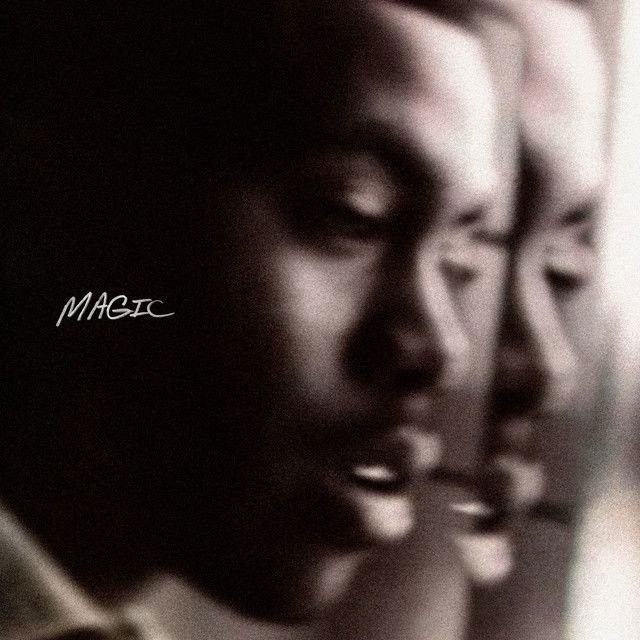
Why Nas Uses 'The Truth' to Strip Away the Myth
A blunt mission at the center
The meaning of The Truth Nas comes down to one sharp idea: image is cheap, but consequences are real. In the song, they push past flashy talk and test everything against death, prison, betrayal, and time. That is why the opening feels so cold. Nas begins by reminding listeners that you cannot take wealth, status, or lovers with you when life ends.
"The Truth" - Nas
Can't bury you with your bitch
Born alone, die alone
Loading lyrics...
Unable to load lyrics
We're unable to display the lyrics at this time. Please try again later.
That frame matters because Nas has spent decades writing about the line between myth and reality. They are one of hip-hop's most respected lyricists, from Illmatic through the Grammy-winning King's Disease, a late-career run made with Hit-Boy. In that context, "The Truth" lands like veteran testimony rather than empty bragging.
Watch the official The Truth
music video
What Nas is really calling out
At its core, the song attacks false credibility. Nas keeps returning to people who act dangerous, famous, or important, yet do not seem solid when judged by someone who has seen real loss. When the hook says people are not telling enough truth, the point is bigger than rap competition. It is about a whole culture of performance.
They contrast old street rules with new digital behavior. One of the clearest lines of attack is their swipe at Instagram trickin' the hood
. In plain terms, Nas suggests social media makes lies travel faster. People can build a reputation online without living the life they advertise.
The hook as the song's moral test
The chorus works like a repeated verdict. Phrases like tellin' the truth enough
and look like the truth
turn truth into something visible. In Nas's world, authenticity is not just what someone says. It shows up in conduct, loyalty, scars, and whether they stay the same when money appears.
Interpretation: the song is not saying the past was pure. It is saying today's posturing is easier to spot because it is louder and less grounded.
Street memories, adult wisdom
A big part of the song's power comes from how Nas moves between memory and judgment. They mention old cars, neighborhood figures, criminal cases, and deaths with uncertain endings. These details make the verses feel lived-in. They are not random crime references; they build a map of a world where choices echo for years.
Nas also points to the injustice of non-violent crimes
leading to harsh punishment. That widens the song beyond personal boasting. It shows a system where people can be trapped by the streets and by the law at the same time.
There is also a mature sadness running under the flexes. Even while they mention jewelry, travel, and luxury, Nas keeps bringing the listener back to mortality. The opening idea about being born alone, die alone
hangs over everything. Riches are present, but they never feel secure.
Can't bury you with your money
Can't bury you with your bitch
Born alone, die alone
Those lines are the song's thesis. Before or after every stylish detail, Nas returns to the truth that death strips away ego.
The meaning behind the details
Money, style, and danger in one frame
Nas fills the track with expensive objects: watches, cars, gems, fabrics, paystubs. But these are not simple trophies. In the same breath, they describe robbery, fake friends, and reputations that cannot be cleaned. Luxury becomes unstable, almost temporary.
That tension is important to the meaning of The Truth Nas. They are not rejecting success. They are saying success does not erase danger or make a person honest. A line like one foot in the Lexus
suggests split identity: part survival, part achievement, never fully safe in either world.
Friendship and betrayal
Another recurring idea is distrust. Friends change, best friends turn false, and teams can become hungry for more. Nas presents adulthood as a stage where discernment matters. The song keeps asking who is real once pressure, envy, or money enters the room.
Interpretation: this gives the record a survivalist tone. Truth is not abstract philosophy here. It is a tool for staying alive and sane.
How Hit-Boy's production sharpens the message
The track was written by Nasir Jones and Chauncey Hollis Jr., better known as Hit-Boy, whose partnership powered King's Disease, King's Disease II, King's Disease III, and the Magic series. That run helped renew Nas's critical peak, and King's Disease won Best Rap Album at the 63rd Grammy Awards.
On "The Truth," Hit-Boy's production feels sleek but tense. The beat gives Nas room to speak clearly, almost conversationally, while still sounding sharp and forceful. There is a polished richness in the instrumental, but it never becomes soft. That balance mirrors the lyrics: luxury on the surface, danger underneath.
Nas also raps with veteran control. They do not rush to prove authority. The calm delivery itself becomes proof of experience. Someone younger might yell these lessons; Nas lets them land.
Why the song hits harder in Nas's career arc
Nas has long been praised for vivid street writing and reflective social commentary. They were shaped by Queensbridge, but their work has also grown more philosophical with age. Seen against that background, "The Truth" feels like a late-career statement from an artist who has survived fame, feuds, industry shifts, and changing rap trends.
That history matters because the song draws power from perspective. When Nas dismisses hype around small-time behavior, it sounds less like elitism than exhaustion. They have seen the cycle before.
Final takeaway for listeners
The meaning of The Truth Nas is that honesty outlasts performance. Nas uses street memories, luxury imagery, and a grave opening warning to say that money, violence, and internet fame all fall apart when tested by time and death.
Interpretation: listeners can hear the song as a critique of fake gangsterism, a reflection on aging in hip-hop, or both at once. Either way, its message is clear: the truth is not what people claim. It is what remains when the show is over.
Disclaimer: This interpretation is based on the song's lyrics, delivery, and career context. As with all art, listeners may hear meanings that differ from this reading.








