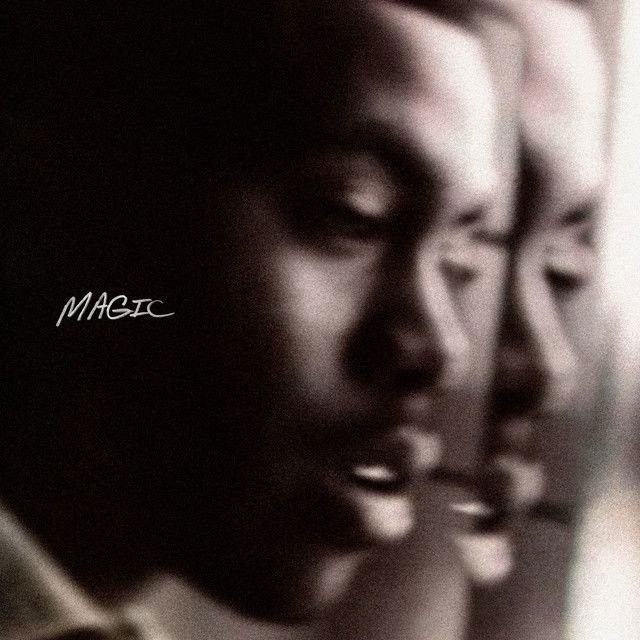
Why Nas Made 'Wu for the Children' Personal
The meaning of Wu for the Children Nas comes down to one idea: greatness can feel lonely. In this song, they present success as something earned through talent and discipline, but also something that brings pressure, second-guessing, and distance from other people.
"Wu for the Children" - Nas
I don't work this hard to be around people I don't like
Uh, yeah
Loading lyrics...
Unable to load lyrics
We're unable to display the lyrics at this time. Please try again later.
Nas has long been treated as one of rap's elite writers, especially since Illmatic helped define East Coast hip-hop in the 1990s. That reputation matters here because the song sounds like a veteran taking stock of what fame has given them—and what it has cost them.
A Song About Pressure, Not Just Pride
On the surface, the record sounds confident. Nas repeats the idea that it takes a certain kind of person to handle their life and understand their art. When they call themselves and their work special like my classics
, the point is not only bragging. It is also a defense of hard-earned value.
They are saying that their life is unusually demanding. Fans, friends, and romantic partners may want access to the rewards of that life, but not everyone can handle the emotional weight behind it.
That is why the hook matters so much. The repeated word special
turns the song into a statement about rarity. Some people are built for ordinary life, and some are built to carry fame, money, memory, and public expectation all at once.
Watch the official Wu for the Children
music video
The Real Target of the Verses
A key part of the meaning of Wu for the Children Nas is how they push back against blame and resentment. In the first verse, Nas rejects the common complaint that powerful people are always blocking others. Their argument is more complicated: some successful people may have tried to help others, only to be betrayed later.
That idea gives the song moral tension. Instead of painting success as easy, they describe it as fragile. Even someone with talent can be overextended, mistrusted, and pushed to solve everybody else's problems.
They also turn the camera toward the audience. When they say fans have attachments to my old style
, they reveal a lifelong issue in Nas's career: listeners often want the younger Nas forever. According to widely cited career histories, they became famous early and Illmatic remains one of hip-hop's most praised albums, which helps explain why nostalgia follows them so strongly.
Legacy, New York, and Rap Memory
The title phrase gives the song its cultural backbone. Near the middle of the track, Nas recalls that they should'a had Grammys
when Ol' Dirty Bastard said Wu for the children
. That moment does two things at once.
First, it places the song inside a New York rap tradition. Nas came out of Queensbridge and built their name in the same larger era that made Wu-Tang Clan, Biggie, and Jay-Z central figures in East Coast rap history. Second, it shows them looking backward with unfinished feelings. Even with major recognition later in life, they still remember a time when their excellence felt under-rewarded.
That reflection hits harder because Nas eventually did win their first Grammy for King's Disease, after many earlier nominations. The line is not just nostalgia. It is about delayed recognition and the strange way success can arrive after the moment an artist thinks they deserved it most.
How the Song Moves From Public to Private
The second verse expands the song from career talk into lifestyle and relationships. Nas moves through flashes of luxury, city imagery, old-school references, and romantic tension. The details feel cinematic, but the point is emotional rather than material.
They describe a fast, elevated life that looks glamorous from the outside. Yet the verse keeps hinting that this lifestyle creates distance and imbalance. The same charisma that powers stardom can leave complicated effects in relationships.
Interpretation: When Nas shifts the hook from men to women, they are broadening the idea of who can truly understand them. The song is not simply about romance. It is about how difficult intimacy becomes when one person is living at a mythic scale in public.
Why the Beat Matters So Much
The production, credited here to Chauncey Hollis Jr., better known as Hit-Boy, is crucial to the song's meaning. Their run together on the King's Disease and Magic projects has been one of the most praised late-career partnerships in rap, giving Nas a sleek, soulful sound that still leaves room for dense writing.
Here, the beat feels rich and reflective at the same time. The sample-driven warmth gives the song a sense of heritage, while the drums keep it moving with quiet confidence. It sounds luxurious, but not frantic.
That matters because the record is balancing two moods:
- celebration of status n- frustration with misunderstanding
- gratitude for survival
- grief for people now gone
By the ending, when Nas salutes departed figures and calls them special people, the song widens again. It is no longer only about ego. It becomes a small memorial, linking success to memory and loss.
The Deepest Meaning in "Special"
The deepest reading of the meaning of Wu for the Children Nas is that "special" is both a compliment and a burden. Nas treats rare talent as a gift, but also as a condition that separates them from ordinary expectations.
They are proud of what they built. They are also tired of being misunderstood by fans who want the past, peers who blame others, and lovers who may want the aura more than the person.
So the song lands in a complicated place: gratitude, loneliness, elegance, and defense all at once. That mix is what makes it feel less like a victory lap and more like a self-portrait.
Final takeaway
"Wu for the Children" is Nas reflecting on legacy from inside the mansion, not outside the struggle. They sound accomplished, but never fully at ease. That tension is the heart of the song.
Disclaimer: This article offers an interpretation based on the lyrics, artist context, and production choices. Song meaning can remain open to different listener readings.








