Why 'Torn' by Natalie Imbruglia Still Hurts
The meaning of Torn Natalie Imbruglia comes down to a painful moment of clarity. The song captures what happens when a person stops believing in the image they built of a relationship and finally sees the truth. It is not just about being sad after a breakup. It is about feeling shocked, exposed, and almost embarrassed that hope lasted so long.
"Torn" - Natalie Imbruglia
He was warm, he came around like he was dignified
He showed me what it was to cry
Loading lyrics...
Unable to load lyrics
We're unable to display the lyrics at this time. Please try again later.
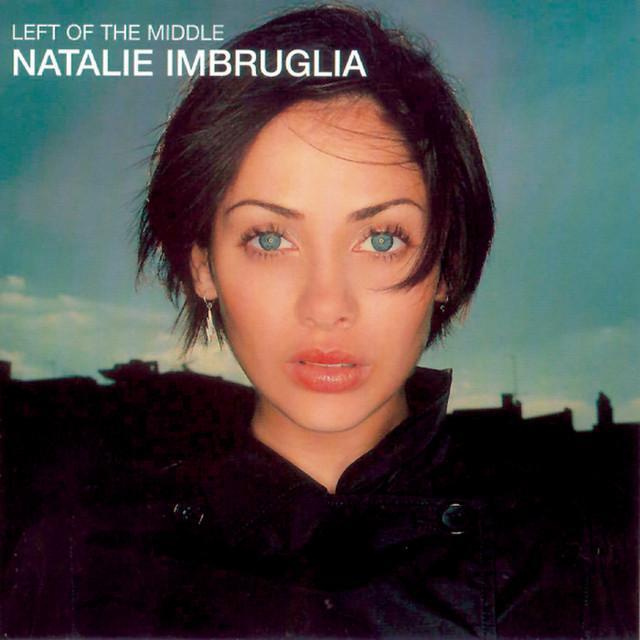
Released as Natalie Imbruglia's breakthrough single from Left of the Middle in 1997, "Torn" was written by Scott Cutler, Anne Preven, and Phil Thornalley. Imbruglia did not write it, but their performance helped turn it into a global pop-rock classic. That matters because the song's meaning comes not only from the words, but from how they deliver them: hurt, clear-eyed, and trying to stay upright.
A Breakup Song About Losing an Illusion
At its core, the song is about disillusionment. The speaker remembers a partner who once seemed warm, mature, and emotionally alive. Then that image collapses. When they say they do not recognize him anymore, the key idea is not that he changed overnight. It is that they now see what may have been there all along.
That is why lines like nothing's fine
and I'm torn
hit so hard. They are simple, but they describe two layers of damage at once: the relationship is failing, and the speaker's inner world is splitting apart too. The heartbreak is emotional, but it is also mental. Their story about love no longer makes sense.

Watch the official Torn
music video
The Verses Trace a Sudden Awakening
The verses move from idealization to exposure. First, the partner is remembered as almost glowing, someone who seemed to awaken deep feeling. Then the mood turns cold. Conversation dies, intimacy disappears, and the speaker is left staring at emptiness.
One of the song's smartest moves is that it never sounds overly dramatic on the page. Instead, it uses ordinary details to show a collapse: no connection, no warmth, no real contact. The phrase conversation has run dry
does a lot of work. It suggests a relationship that is not ending in one explosive event, but decaying from the inside.
The Chorus Turns Pain Into Recognition
In the chorus, the speaker stops pretending. They admit they are all out of faith
. In context, this is less about religion than trust, hope, and emotional belief. They no longer have the energy to defend the fantasy.
illusion never changed
into something real
This is the emotional center of the song. The speaker realizes that what they wanted was never fully matched by reality. Interpretation: that insight is more painful than the breakup itself, because it forces them to question their own judgment.
Why the Sky Is "Torn"
The song's most famous image is the idea that the perfect sky is broken. The phrase perfect sky is torn
turns an inner feeling into something visual. A sky usually suggests stability, beauty, and a larger sense of order. If even that is ripped open, then nothing feels safe anymore.
Interpretation: this image may represent the collapse of romantic idealism. The speaker once looked upward and saw beauty. Now they look at the same world and notice damage. The outside landscape reflects the inside one.
There is also body imagery in the song, with the speaker feeling exposed and stripped of protection. That language makes the heartbreak feel physical, not abstract. Shame, coldness, and exhaustion all become part of the same emotional shock.
The Sound Makes the Sadness More Powerful
Part of what makes "Torn" endure is its contrast. The production is bright, melodic, and radio-friendly, with jangly guitars, steady drums, and a polished late-1990s pop-rock sound. That mix keeps the song moving even while the lyrics describe collapse. According to credits for Imbruglia's version, the track was produced by Phil Thornalley and Nigel Godrich, whose work helped shape its clean but emotionally tense feel; both are widely credited on reference sources including song documentation and release databases.
That tension is key to the meaning of Torn Natalie Imbruglia. The music sounds open and catchy, but the words describe disconnection. Their vocal performance sits right in the middle of that contrast. They do not oversing the pain. Instead, they sound controlled, which makes the emotion feel more believable. It is the voice of someone trying not to fall apart in public.
Context Matters: Cover Song, New Identity
A useful fact for readers is that "Torn" began as a song by the band Ednaswap before Imbruglia's version made it famous. That history does not weaken her performance. If anything, it shows how interpretation can reshape a song. Imbruglia brought a lighter surface and a more mainstream pop setting, which made the emotional conflict more striking. The sadness arrives through clarity rather than darkness.
Reception also shaped meaning. The song became one of the defining hits of the late 1990s and helped establish Imbruglia's image as relatable, smart, and emotionally direct. Its popularity on radio and MTV gave it a shared cultural life, where listeners connected it to heartbreak, self-awareness, and the moment when denial ends.
More Than Heartbreak: A Song About Self-Respect
There is another reason the song lasts. Beneath the sadness, it contains a small act of strength. By the time the speaker says the other person is too late, they are not begging. They are recognizing reality.
Interpretation: that final stance suggests recovery has already begun, even if it hurts. The speaker is wounded, but they are no longer fooled. That mix of pain and awakening is what gives the song its staying power.
Why Listeners Still Return to It
Many breakup songs focus on blame or longing. "Torn" focuses on recognition. It understands that one of the hardest parts of heartbreak is admitting that hope was attached to an illusion. That idea remains timeless.
For many listeners, the meaning of Torn Natalie Imbruglia is the feeling of waking up after emotional confusion. The song hurts because it names a common experience with unusual precision: seeing the truth, feeling split by it, and surviving anyway.
Disclaimer: This article offers a good-faith interpretation based on the song's lyrics, credits, performance, and public reception. Meaning can vary from listener to listener.








