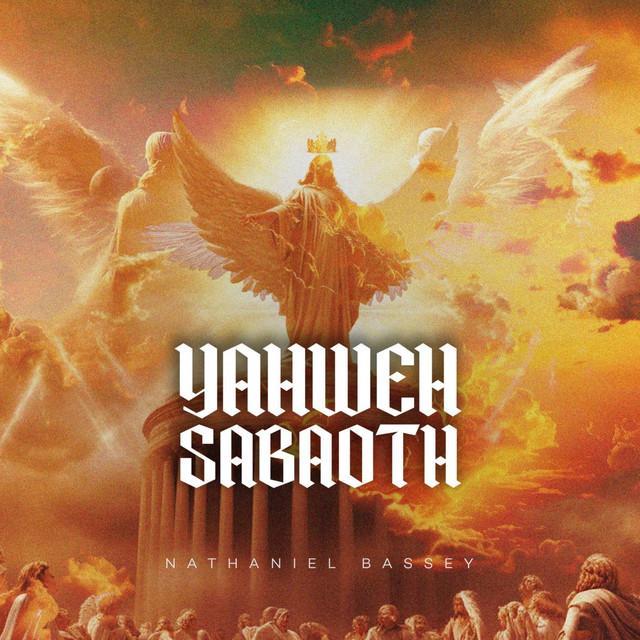
Yahweh Sabaoth by Nathaniel Bassey
Why This Worship Song Hits So Deep
The meaning of Yahweh Sabaoth Nathaniel Bassey starts with the title itself. “Yahweh Sabaoth” is a biblical name for God often translated as “Lord of Hosts,” a phrase tied to divine power, heavenly armies, and God’s rule over all creation. In this song, Nathaniel Bassey turns that title into a repeated act of worship rather than a story with plot twists.
"Yahweh Sabaoth" - Nathaniel Bassey
Yahweh Sabaoth
Yahweh Sabaoth
Loading lyrics...
Unable to load lyrics
We're unable to display the lyrics at this time. Please try again later.
That matters because the song is built less like a narrative and more like a prayer circle. Instead of moving through many ideas, it stays focused on awe, praise, and a plea for God to be visibly present. When the song repeats Yahweh Sabaoth
, it is not saying something new each time. It is deepening one central truth: God is powerful, holy, and worthy of praise.
Bassey is known for gospel songs centered on prayer, worship, and scripture-shaped language, especially through his public ministry and projects such as Nathaniel Bassey. That wider context helps explain why this song sounds like a live worship moment first and a tightly plotted lyric second.
A Song of Praise, Not a Storyline
What the Core Message Seems to Be
At its heart, this is a song about honoring God as ruler of heaven and earth. The repeated title works almost like a chant, anchoring the listener in one sacred name. Then the lyric expands that idea with phrases like The Lord of Host
and requests such as Reveal Your Glory
.
Paraphrased, the message is simple: God is mighty, and worshipers want to see that power and holiness made known. The song does not ask for fame, comfort, or personal success. It asks for glory to be shown. That makes the track feel less self-focused than many modern worship songs.
Interpretation: The repetition can also suggest spiritual persistence. By returning again and again to the same name, the song mirrors how many believers pray in real life: not with complicated language, but with devotion, trust, and holy emphasis.
The Key Lines and What They Mean
Because the lyric is sparse, each line carries extra weight. The title phrase Yahweh Sabaoth
names God in a way that stresses majesty and command. It is a worship choice that frames God not as distant, but as active and sovereign.
The two clearest requests are Reveal Your Glory
and Show forth Your Glory
. Both lines ask for manifestation, not just belief. In plain terms, the singers are asking God to make divine presence unmistakable.
The repeated Hallelujah
strengthens that mood. It shifts the song from naming God to responding in praise. Even the nonverbal syllables and vocalizations serve a purpose: they create emotional lift where words begin to give way to celebration.
The Lord of Host
Reveal Your Glory
Yahweh Sabaoth
Those lines show the song’s full movement in miniature: name God, ask for glory, return to worship.
How the Music Carries the Meaning
One reason the song connects so strongly is its structure. It uses repetition, call-and-response energy, and simple melodic cells that are easy for a congregation to join. That design is common in praise music because it turns listeners into participants.
The production leans on atmosphere more than complexity. Percussion, layered vocals, and rising group energy likely matter more than lyrical detail. In a song like this, arrangement is theology by other means: the swelling sound suggests majesty, while the repeated chorus creates a sense of collective surrender.
This also fits Bassey’s broader gospel style, which often blends Pentecostal worship dynamics with choir warmth and live-session intensity. His music is closely associated with communal worship settings, including his widely known Hallelujah Challenge. That background helps explain why “Yahweh Sabaoth” feels built for rooms full of people, not private headphones alone.
Repetition as Meaning, Not Filler
Some listeners may wonder whether the song is “too repetitive.” In pop terms, maybe. In worship terms, that repetition is the point.
Many faith traditions use repeated sacred language to help worshipers meditate, focus, and dwell on one truth. Here, the repeated divine name works like a spiritual anchor. Instead of moving the mind through many scenes, it holds the heart in one place: reverence.
Interpretation: The non-lexical sounds—those celebratory syllables between the main lines—may also represent joy beyond explanation. They break ordinary speech and make the song feel bodily and communal, as if praise has overflowed regular language.
A Biblical Title With Emotional Weight
“Lord of Hosts” comes from the Bible and carries images of heavenly armies, divine kingship, and unmatched authority. That gives the song a strong spiritual backbone even though the lyric itself is brief. For listeners in the United States who may not know the term, it helps to think of it as a title of strength and command, but used here in worship rather than warfare.
That balance is important. The song does not sound aggressive. It sounds reverent. God’s power is not presented as threat, but as glory. So the title carries force, while the melody turns that force into praise.
Final Take on the Song’s Meaning
The meaning of Yahweh Sabaoth Nathaniel Bassey is the worship of God as the sovereign Lord whose glory believers long to see. Its few lyrics, repeated often, create a prayerful atmosphere where praise becomes the message.
More than a song to analyze on paper, it is a song designed to be experienced in community. Its power comes from biblical naming, emotional repetition, and music that invites people to join in awe.
Disclaimer: This interpretation is based on the song’s lyrics, biblical language, and Nathaniel Bassey’s public worship style. As with any worship music, individual listeners may hear and experience it differently.







