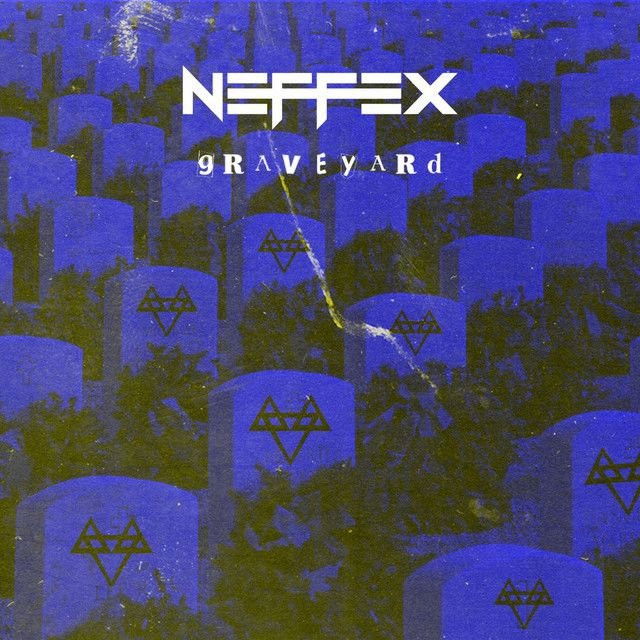
Graveyard by NEFFEX
A loud threat on the surface, this track is really about wounded pride trying to sound invincible.
"Graveyard" - NEFFEX
Provided by LyricFindYou don't wanna fuck with me
Don't wanna test your luck with me
'Cause if you try to fuck with meLoading...Loading lyrics...
Unable to load lyrics
We're unable to display the lyrics at this time. Please try again later.
Why the Meaning Hits So Hard
The meaning of Graveyard NEFFEX starts with confrontation. The song presents a speaker who wants total control of the room. They warn rivals not to push them, and they use violent imagery to make that warning unforgettable.
But the song is not only about aggression. It also hints at pain, alienation, and a deep need to prove worth. Early on, the narrator admits feeling ostracized and traumatized
. That matters because it changes the whole track: the menace sounds less like random cruelty and more like a defense mechanism.
Interpretation: the song turns emotional damage into a power fantasy. Instead of sounding weak, the speaker becomes larger, louder, and more dangerous.

Watch the official Graveyard
music video
The Voice Behind the Threats
NEFFEX has long been known for music that mixes workout-ready intensity with self-made ambition. The project was created by Cameron Wales and Brandon Horth, who are credited as writers here. In that context, "Graveyard" fits their familiar brand of high-energy, motivational defiance, even if this song leans darker than some of their more uplifting material.
The narrator speaks in first person, but the article can still describe them from the outside: they sound like someone building a legend in real time. They boast, insult opponents, and claim they do not need help. When they say one and only
, they are not just bragging. They are trying to erase any doubt about their place.
That is why the song keeps jumping between injury and dominance. One moment they sound shaken; the next they act unstoppable.
How the Verses Build the Song’s Message
From damage to domination
The first verse lays out the emotional root. The speaker feels cut off, unstable, and watched. From there, they shift into boasts about skill, longevity, and appeal. This jump is important: they do not sit with vulnerability for long. They immediately cover it with status talk.
That pattern suggests a simple emotional arc:
- They feel rejected.
- They refuse to look powerless.
- They answer with extreme confidence.
- They turn fear into spectacle.
The result is a song where threats become a kind of self-therapy.
The second verse turns up the pressure
Later, the song gets even more intense. The narrator sounds impatient, irritated, and desperate to be recognized. A phrase like I breathe entertainment
shows how fully they identify with performance. They do not just make music; they live inside the identity of being a force.
That makes the violence in the lyrics feel symbolic as much as literal. In rap and rap-rock, exaggerated threats often function as dominance rituals. Here, they help frame the artist as someone who cannot be dismissed.
The Chorus as a Brand Statement
The chorus is blunt, repetitive, and impossible to miss. The key line about a graveyard
and being six feet underground
is not subtle, but that is exactly the point. The hook works like a warning sign posted on the song itself.
Interpretation: the chorus is less about an actual enemy and more about image-making. By repeating the same threat, the song builds a persona that is hostile, fearless, and ready for conflict. The repetition makes that identity stick.
There is also a tension here. The bigger the threat gets, the more listeners may hear insecurity underneath it. People often overstate strength when they are afraid of being overlooked.
Symbols, References, and Hyperbole
The graveyard image is the song’s biggest symbol. It stands for finality, defeat, and total erasure. The narrator does not just want to win; they want opponents removed from the field completely.
The track also uses pop-culture name-drops and punchlines to widen that persona. Those references make the speaker sound online, competitive, and eager to prove they can out-talk anyone. Even the insults feel performative.
That is why hyperbole matters here. In battle-rap style writing, saying the most extreme thing is part of the sport. The shock value creates momentum, and the momentum creates authority.
How the Production Sells the Emotion
The production reinforces every part of the message. The beat hits hard, the pace stays urgent, and the vocal delivery sounds clipped and forceful. Instead of floating over the instrumental, the voice attacks it.
That matters for the meaning of Graveyard NEFFEX because the sound mirrors the psychology. Heavy drums and aggressive drops create a fight-or-flight atmosphere. The song feels like someone pacing before a showdown.
There is not much softness in the mix, and that lack of space is meaningful too. It leaves little room for reflection. Everything pushes forward, just like the narrator’s need to dominate before anyone can challenge them.
A Reasonable Final Reading
The clearest reading is that "Graveyard" is about insecurity transformed into intimidation. The narrator feels wounded, but they answer that feeling by becoming louder than everyone around them.
A second valid reading is that the song is simply performance bravado: a deliberately exaggerated anthem for the gym, the gaming montage, or any moment where listeners want to feel untouchable. Both readings can be true at once.
In the end, the song’s power comes from contrast. It is harsh, flashy, and over-the-top, yet its most revealing moment is the admission that the speaker is not all right.
Disclaimer: This interpretation is based on the lyrics, performance, and musical context, and other listeners may hear the song differently.









