Why Neil Diamond Chose Love Over Luxury
The meaning of Forever in Blue Jeans Neil Diamond comes down to a simple but lasting idea: a good relationship matters more than money. The song sounds easygoing and playful, but underneath that bright surface it makes a clear statement about values. It says that wealth may impress people, yet it cannot replace closeness, affection, and the comfort of a shared life.
"Forever in Blue Jeans" - Neil Diamond
But it don't sing and dance and it don't walk
And long as I can have you here with me
Loading lyrics...
Unable to load lyrics
We're unable to display the lyrics at this time. Please try again later.
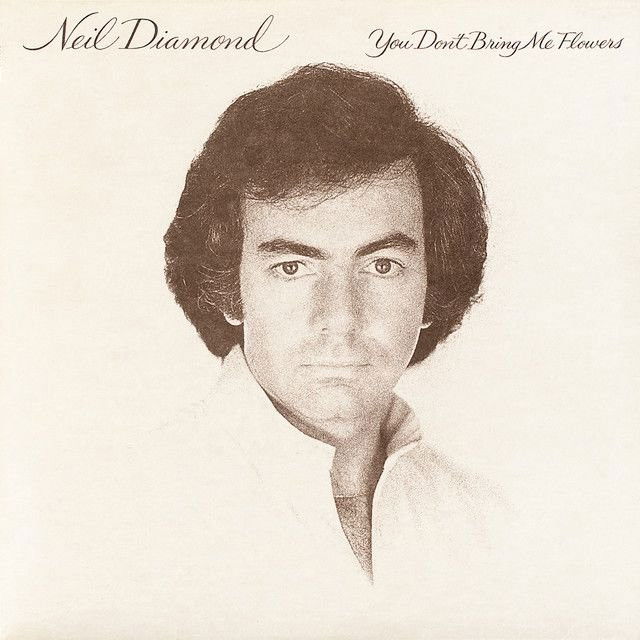
Released in 1979, the song was credited to Neil Diamond and Richard Bennett, and it arrived during a period when Diamond was already a major pop presence in the United States. It later appeared on You Don't Bring Me Flowers and became a familiar part of his catalog. Those basic release details are widely documented in standard discographies and chart histories.
A Big Message Hidden in Casual Clothes
At the center of the song is a contrast between material success and emotional fulfillment. The lyric keeps returning to the idea that Money talks
, but then it quickly undercuts that phrase. The point is not that money is useless. Instead, the song suggests money has limits.
It cannot create chemistry, loyalty, or warmth. That is why the hook lands on forever in blue jeans
. In plain language, they would rather live simply with someone they love than chase luxury alone.
Interpretation: Blue jeans work as a symbol of everyday life. They suggest comfort, work, and something honest rather than flashy. The title turns that image into a value system: ordinary life can feel rich when love is real.

Watch the official Forever in Blue Jeans
music video
How the Love Story Is Framed
The song speaks from a personal point of view, but its emotional appeal is broad. The narrator is talking to a partner and making a promise, or at least a hopeful pitch, about the kind of life they could build together. When the lyric says long as I can have you
, it boils the whole song down to presence over possessions.
That choice makes the romance feel direct. The singer is not offering mansions or glamour. They are offering togetherness, a fire at night, and the small sounds of intimacy.
Maybe tonight
by the fire
all alone, you and I
This is the song’s warmest image. It shifts the meaning from abstract values to a scene the listener can picture. Instead of arguing about economics, the song shows what real wealth looks like in private.
The Chorus Turns an Idea Into a Motto
The chorus is memorable because it behaves like a slogan without sounding cold or commercial. It keeps circling back to the same comparison: money can speak, but it cannot live, move, or love. That contrast gives the song its bounce and its staying power.
In emotional terms, the refrain says that love is not just better than wealth. It is more alive. That is why the repeated line about being forever in blue jeans
feels triumphant rather than resigned.
Interpretation: The title phrase is not about settling for less. It is about choosing what matters most. The song treats simplicity as a victory, not a loss.
Sound, Style, and Why the Song Feels So Easy
A big reason the message works is the production. The track has a bright, rhythmic pop feel with country-rock touches, which helps it sound relaxed and open instead of heavy-handed. Neil Diamond often used strong, singable hooks, and this song is built to feel communal, almost like a crowd favorite from the first listen.
The groove matters because it keeps the message from becoming preachy. If the arrangement were slow or solemn, the song might feel like a lecture about values. Instead, the upbeat tempo makes simple living sound fun.
Diamond’s vocal delivery also helps. He sings with warmth and confidence, which gives the lyric a friendly certainty. They do not sound bitter about money. They sound convinced that love is the better bargain.
More Than Romance: A Gentle Push Against Materialism
On one level, this is a straightforward love song. The singer is telling a partner that affection beats wealth, and that is enough to explain its appeal. But the song also reflects a wider cultural idea that was especially strong in the 1970s: suspicion of empty status and admiration for what feels real.
That broader reading fits lines like Honey's sweet
, which compare physical sweetness to emotional connection. The lyric keeps using familiar, homespun language to make its point. Nothing is fancy, and that is exactly the point.
Interpretation: The song can be heard as a soft protest against the idea that success must look expensive. It does not reject money entirely. It just refuses to treat money as the highest good.
Why the Song Still Connects
Part of the song’s lasting appeal is that its message remains easy to understand. Many listeners know what it feels like to choose between image and substance, or between chasing more and appreciating what is already meaningful. This song sides clearly with substance.
It also lasts because it never overcomplicates its case. The images are simple, the melody is immediate, and the emotional argument is universal. Love, comfort, and shared time are presented as things no paycheck can fully replace.
The Final Meaning Beneath the Hook
So what is the meaning of Forever in Blue Jeans Neil Diamond? At its heart, the song says that a modest life with real affection is worth more than wealth without intimacy. It celebrates love that feels lived-in, joyful, and real.
That is why the song still feels charming rather than dated. Its message is not just that money cannot buy happiness. It is that happiness may already be sitting beside them, dressed simply, asking for nothing more than togetherness.
Disclaimer: This interpretation is based on the song’s lyrics, performance, and public context. As with any song, listeners may hear different meanings in it.








