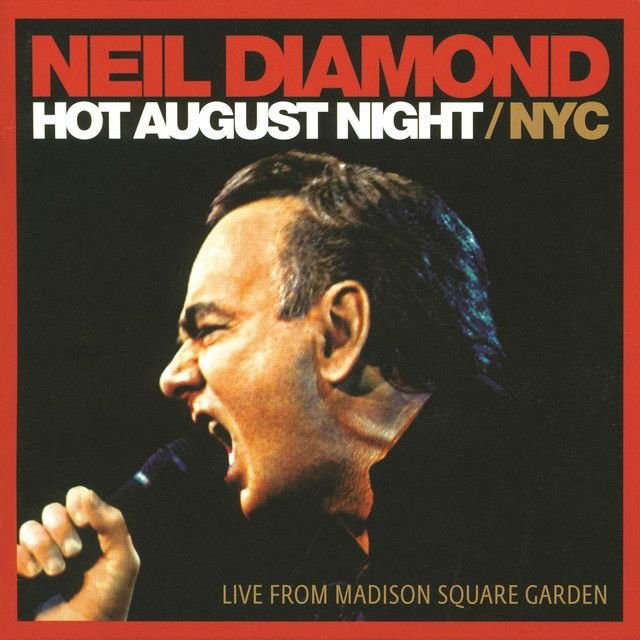
Hell Yeah by Neil Diamond
Why This Song Feels Like a Life Verdict
The meaning of Hell Yeah Neil Diamond is deeply tied to gratitude, aging, and the question of whether a hard life was still a good one. On the surface, the song sounds like a bold, upbeat statement. Underneath, it is a late-career reflection from a singer looking back and saying the struggle, confusion, love, and risk were still worth it.
"Hell Yeah" - Neil Diamond
Is a hoot and a holler
From the start of the day
Loading lyrics...
Unable to load lyrics
We're unable to display the lyrics at this time. Please try again later.
Released on Diamond's 12 Songs, the track arrives from a mature point in his career. That context matters. Neil Diamond was not writing as a young dreamer here. They were writing as an older artist taking stock of what was gained, what was lost, and what can still be passed on.
Watch the official Hell Yeah
music video
The Core Meaning: A Yes to an Imperfect Life
At its heart, the song answers a simple but huge question: was this life worth living? Diamond's answer is the title phrase, Hell yeah
. But the point is not swagger for its own sake. The song keeps admitting that life is messy, limited, and often unclear.
They describe a public life that outsiders may envy, then quickly correct that view. The speaker says they are still just trying to get things right. That contrast matters. The song rejects celebrity fantasy and replaces it with something more human: effort, mistakes, and the choice to remain thankful.
Interpretation: the chorus works as both a verdict and a defense. It says a person can feel confused by life and still embrace it fully.
From Advice to Farewell
One of the song's smartest moves is how it changes who is being addressed. In the first part, the speaker talks about their own life. In the middle, they turn outward and encourage someone younger or less certain. The message is simple: time is short, but it can still be meaningful.
That shift gives the song emotional range. It is not only memoir. It is also mentorship. When the lyric says you will
, it answers fear with reassurance. Even if someone gets lost, the song suggests they can find a way back through courage, love, and connection.
Later, the perspective shifts again. The speaker imagines what people might say after they are gone. This is where the song becomes almost like a self-written epitaph. Rather than asking for pity, they ask to be remembered as someone who lived fully, loved well, and kept going.
How the Verses Build the Theme
Verse One: Fame Is Not the Full Story
The opening pushes back against the idea that Diamond's life was all glamour and applause. The speaker knows others may think it was easy or exciting all the time. Instead, they insist that success still came with work and uncertainty.
A phrase like lucky old dreamer
captures the balance. They feel fortunate, but still see themselves as someone chasing meaning rather than simply enjoying status.
Verse Two: Time Must Mean Something
The next section sharpens the song's philosophy. Time is presented as limited, and because of that, it must be used carefully. The song does not become gloomy, though. It turns practical.
love's a gift
made for givin'
That brief idea sums up the moral center of the song. Life matters most not because it lasts forever, but because it can be shared.
Verse Three: The Final Self-Portrait
In the last part, the speaker imagines being judged after death. The answer they want left behind is not that they were perfect. It is that they found the life they were seeking and filled it with joy. Even pain is acknowledged in a line like cried a bit
, which keeps the song grounded.
How the Sound Supports the Message
The production on 12 Songs is more intimate than many listeners may expect from Neil Diamond. Rather than huge arena drama, the song leans on a rootsy pop sound with warm acoustic textures, steady rhythm, and a conversational vocal style.
That matters for meaning. A giant, flashy arrangement might have made the song sound boastful. Instead, the relaxed groove makes the title phrase feel earned. The music has confidence, but also weariness and warmth.
Diamond's vocal delivery is especially important. They do not sing like someone trying to prove youth. They sound seasoned. That rougher, older texture gives the song its honesty. The performance suggests someone who has survived enough to speak plainly.
Artist Context Makes the Message Stronger
This song lands differently because of who Neil Diamond is in popular music. By the time of this album, they were a veteran songwriter with decades of hits behind them. A younger artist singing this lyric might sound generic. Diamond sounds autobiographical, even when listeners avoid claiming every line as literal fact.
Interpretation: the song works as a public summing-up. It is less about one event than about a whole career and life lived in view of others. The mention of being watched, standing on shaky ground, and still wanting that life points toward the cost of fame without reducing the song to fame alone.
The Lasting Message of "Hell Yeah"
The meaning of Hell Yeah Neil Diamond is ultimately about saying yes to life without pretending life was easy. The song honors ambition, admits pain, values love, and accepts mortality. That is why the chorus feels uplifting rather than reckless.
For many listeners, the track resonates as a guide for aging well. It argues that a good life is not a perfect one. It is one where a person risks, cares, gives, and can look back without shame.
That final emotional effect is powerful: not denial, not regret, but hard-won approval.
Disclaimer: This interpretation is based on the song's lyrics, recording context, and public career history. As with any song, some meaning remains open to listener interpretation.








