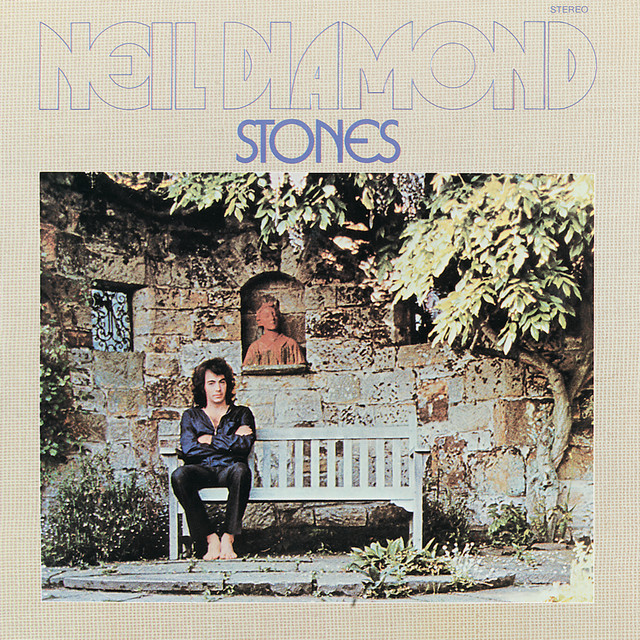
Why Neil Diamond’s Reprise Still Hurts
The meaning of I Am...I Said - Reprise Neil Diamond comes down to one ache: a person trying to say they exist, only to feel that the world gives nothing back. In this brief reprise, Neil Diamond condenses a much larger emotional struggle into a few haunting lines. What remains is not a story with clear resolution, but a raw echo of loneliness.
"I Am...I Said - Reprise" - Neil Diamond
Who dreamed of bein' a king
And then became one
Loading lyrics...
Unable to load lyrics
We're unable to display the lyrics at this time. Please try again later.
The song was written by Neil Diamond, and the original “I Am... I Said” is widely tied to a period of homesickness and identity strain in his career, including the split between New York roots and Los Angeles success. That background has been discussed in biographical coverage and reference sources such as the Rock & Roll Hall of Fame and Britannica. Even without a full production around it, the reprise keeps that tension alive.
A Small Song About a Huge Inner Void
At the center of the reprise is a contradiction. The speaker has achieved something, or at least has lived enough to compare their life to a fairy tale. The opening image about a frog becoming royalty suggests outward success. But the song quickly undercuts that idea by admitting an inner hollowness.
That is why the early phrase emptiness deep inside
matters so much. They are not singing about material failure. They are singing about the kind of emptiness that stays even after dreams come true.
Interpretation: This makes the reprise less about fame itself and more about the shock of learning that success cannot settle the question of who they are.
Watch the official I Am...I Said - Reprise
music video
The Cry at the Center
The emotional peak is the repeated declaration I am
. In ordinary speech, those words are simple. Here, they sound like an emergency signal.
The reprise makes that phrase feel unstable because it receives no answer. The speaker says it to no one there
, and the song emphasizes that no one responds. Even the room feels dead. The detail about not even the chair
is slightly strange, but that is why it works: loneliness has become so intense that even furniture is imagined as possible company.
I am...I cried
I am...said I
And they are lost
and can’t say why
That short moment captures the song’s main paradox. They can state their existence, but they cannot explain their dislocation. The problem is not language alone. The problem is that identity feels fragile, even when named out loud.
How the Lines Build the Theme
The reprise moves in a clear emotional sequence:
- It opens with a dreamlike success story.
- It then admits that victory did not heal the self.
- It turns to the fear of being alone.
- It ends in repeated self-assertion without comfort.
This progression is why the song feels so devastating. It starts with a myth and ends with a person alone in a room. The phrase being alone
lands hard because the speaker does not just dislike solitude. They seem wounded by the very sound of it.
Interpretation: The reprise suggests that identity is social as well as personal. People often know themselves through love, place, or community. When those anchors disappear, even saying “I am” can feel incomplete.
Why the Reprise Format Matters
A reprise is not just a repeat. It is a return with emphasis. By revisiting the core lines in a reduced form, Diamond strips away narrative detail and leaves listeners with the emotional nerve exposed.
That is a key part of the meaning of I Am...I Said - Reprise Neil Diamond. The reprise feels like what remains after explanation fails. There is no big twist, no dramatic rescue, no new perspective. There is only the same unresolved cry, now sounding even more bare.
This kind of structure mirrors real anxiety. People often circle the same thought again and again, hoping repetition will create clarity. Instead, the reprise shows repetition becoming its own kind of trap.
Sound, Space, and Emotional Weight
Even when heard in a minimal arrangement, the song’s power comes from space. Silence matters here as much as melody. A fuller pop setting can make the original feel grand and theatrical, but the reprise pushes listeners closer to the exposed voice.
That production effect supports the lyric meaning. Sparse accompaniment, sustained notes, and pauses around the central refrain make the singer sound isolated rather than surrounded. Diamond’s vocal style—strong, resonant, but vulnerable at the edges—adds to that tension. They sound like someone trying to stay composed while revealing a deep fracture.
Artist Context Without Overreading
Neil Diamond built a career on songs that mix pop accessibility with emotional directness. Sources like the Songwriters Hall of Fame note his importance as a songwriter with a highly personal voice. That context matters because this song does not hide behind complex imagery. It speaks plainly, and that plainness is the point.
Still, it is best not to reduce the reprise to biography alone. Interpretation: listeners can hear homesickness, fame fatigue, depression, or a spiritual crisis in it. All of those readings fit because the lyric is broad enough to hold them.
Why It Still Connects
The song endures because many people know the feeling of speaking clearly and still not feeling heard. They may have success, family, or direction, yet still struggle to feel rooted in themselves.
That is why the reprise remains moving. It takes a universal fear—what if they cannot explain who they are?—and turns it into a few unforgettable lines. The meaning of I Am...I Said - Reprise Neil Diamond is not that identity is impossible. It is that finding it can feel painfully lonely.
Disclaimer: This article offers interpretation based on the song’s lyrics, structure, and known artist context. Meaning can vary from listener to listener.








