Why 'September Morn' Still Feels So Close
The meaning of September Morn Neil Diamond comes down to memory, reunion, and the strange power of one moment to survive the passing of years. The song tells the story of two people meeting again after time apart. They are older now, changed by life, but one shared night still holds its emotional force.
"September Morn" - Neil Diamond
Stay and let me look at you
It's been so long, I hardly knew you
Loading lyrics...
Unable to load lyrics
We're unable to display the lyrics at this time. Please try again later.
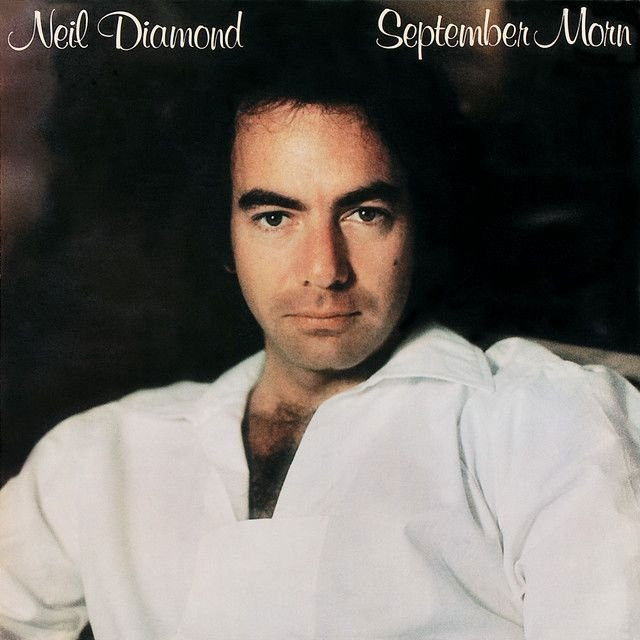
Released on Neil Diamond’s 1979 album September Morn, the song became a major Adult Contemporary hit, reaching No. 2 on the U.S. Adult Contemporary chart and No. 17 on the Billboard Hot 100. The album itself was released in December 1979 and was produced by Bob Gaudio and Neil Diamond. Those chart and album details are widely documented in reference sources on the album and song history.
A Reunion Framed by One Morning
At its core, the song is about seeing someone again and feeling the past rush back. The opening asks the other person to stay for just a while
. That brief request matters because it shows hesitation and hope at the same time. They do not begin with a grand declaration. They begin with a pause.
From there, the singer suggests that both people have lived a lot since they last met. The line about traveling and finding themselves again points to distance, not only physical distance, but emotional distance too. Interpretation: the song is less about a dramatic breakup than about a long drift followed by a tender return.
What gives the scene its power is that the present meeting is small and quiet, while the feelings behind it are huge. They stand in a doorway, talk, and remember. That contrast makes the song believable.

Watch the official September Morn
music video
The Chorus Turns Memory Into Emotion
The chorus centers on September morn
, a phrase that works like a trigger for memory. It is not just a date on a calendar. It becomes a symbol for a time when love felt young, cinematic, and full of possibility.
The song recalls how they danced until the night
turned into morning. That image does two things at once:
- It captures youthful romance.
- It shows how one perfect night can define a relationship.
The phrase some romantic play
adds a touch of self-awareness. The couple once felt like characters in a beautiful drama. Interpretation: that may mean they were idealizing their love even then. But the song does not mock that feeling. Instead, it honors it.
Growing Older Without Losing the Past
One of the most moving parts of the lyric is its awareness of time. The singer notices the other person has changed and become older, wiser, more fully themselves. There is tenderness in that recognition, not regret.
A short phrase like grown-up girl
shows that the speaker remembers a younger version of this person and is startled by the years that have passed. Another memory, about hearing her cry in her room, adds intimacy without overexplaining the backstory. It suggests a deep history between them.
This is why some listeners hear the song simply as reunited lovers, while others hear a broader story of long attachment. Still, the strongest reading is romantic reunion. Song-focused summaries and listener consensus tend to support that view, especially because the chorus frames the remembered night as one shared by two lovers
.
How Neil Diamond’s Delivery Sells the Meaning
The arrangement is a big reason the song lasts. Contemporary reviews described it as a lush orchestral ballad that grows from a simple piano opening into a fuller chorus. That structure mirrors the lyric perfectly: a private encounter slowly opens into a flood of feeling.
The performance starts intimate, then expands. Piano and soft accompaniment create a reflective mood before the song lifts into wider, more dramatic emotion. Diamond’s vocal also matters here. He does not rush the words. He leans into them, giving the memory weight and warmth.
That balance between restraint and release is central to the meaning of September Morn Neil Diamond. The song is not just saying, “They remember.” It is making the listener feel how remembering can swell inside a person.
The Role of September as a Symbol
Why September? In popular writing, September often suggests transition. It is not the bright beginning of summer or the frozen stillness of winter. It sits in between. That makes it a fitting backdrop for a song about people suspended between past and present.
A morning also matters. Morning is what comes after the dance, after the fantasy, after the long night. In that sense, September morning is the moment when romance meets reality.
Do you remember
how we danced that night away
That brief question captures the heart of the song. The singer is not only remembering. They are asking whether the memory still belongs to both of them.
A Little Context Behind the Song
The song was written by Neil Diamond and Gilbert Bécaud, the French composer with whom Diamond also worked on other material later on. It appeared as the title track of Diamond’s 1979 album, a successful release that reached the Top 10 on the Billboard 200 and later earned Platinum certification in the United States.
That commercial success helps explain why the song remains one of Diamond’s best-known late-1970s ballads. It fit his style well: emotionally direct, melodic, and built for a strong vocal center.
Why the Song Still Connects
The song endures because it understands something simple and human: people change, but certain memories keep their original temperature. A face, a doorway, a season, or a song can bring all of it back.
Interpretation: “September Morn” is not promising that love can fully return to what it was. It is more modest and more honest than that. It suggests that even after distance and age, two people may still recognize the feeling that once defined them.
That is why the song still lands. It treats nostalgia not as escape, but as a test: if the feeling remains, maybe the bond does too.
Disclaimer: This interpretation is based on the released lyrics, performance, and documented song context. As with most songs, listeners may hear meanings that differ from the ones discussed here.









