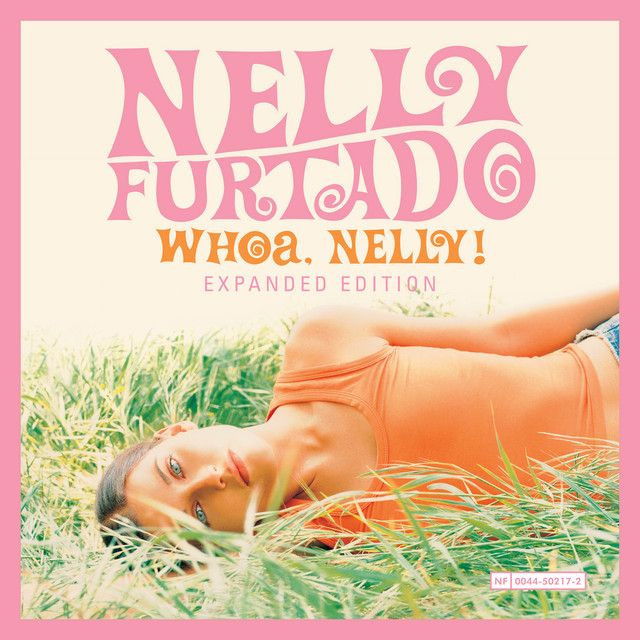
The Meaning of ‘I’m Like a Bird’ by Nelly Furtado
Nelly Furtado’s breakthrough single turns a tender confession into a breezy pop anthem. For listeners asking about the meaning of I'm Like A Bird Nelly Furtado, the heart of the song is a tug-of-war: care for a partner versus a powerful need for self-discovery. The narrator owns that conflict without blame, choosing honesty over easy promises.
"I'm Like A Bird" - Nelly Furtado
You'll never ever fade
You're lovely, but it's not for sure
Loading lyrics...
Unable to load lyrics
We're unable to display the lyrics at this time. Please try again later.
Freedom Over Promises: The Song’s Core Idea
The opening draws a gentle contrast between affection and change. From the start, they admit love can be real and still not be forever. When the hook arrives—I’m like a bird
—the image becomes the message. The bird isn’t fickle so much as free.
By adding I’ll only fly away
, they warn the partner that distance may come, even if it hurts to say it. The song reframes departure not as rejection but as self-preservation. It’s the ache of choosing growth when stability is on the table.

Watch the official I'm Like A Bird
music video
Who’s Speaking, and What They Admit
The narrator speaks in first person to a devoted partner and keeps the tone soft, not accusatory. Their gratitude shows up in a line like your faith in me
, which suggests the relationship has real foundation. Still, devotion can’t fix uncertainty.
They also admit they don’t fully know themselves. The honesty is disarming: it’s an appeal for patience, not permission to hurt someone. The subtext is simple—love can be true and rare, but timing and identity still matter.
A Simple Story in Three Beats
- A partner is praised and cherished. The narrator acknowledges sincere love, yet signals the possibility of change.
- The chorus reveals the core fear: drifting from the relationship despite good intentions.
- The bridge resolves the emotional dilemma by separating love from permanence. They don’t want to cause pain but won’t pretend certainty.
This arc is small but clear—the song never turns the partner into a villain. The conflict is internal.
Why the Chorus Lands So Hard
The chorus admits lost bearings: I don’t know where my soul is
and I don’t know where my home is
. Those are classic “identity” questions. They make the hook bigger than romance; it’s about finding a center point in early adulthood.
Interpretation: The bird symbolizes a self still in motion—creative, nomadic, allergic to cages. The plea is not for escape but for room to grow. That’s why the melody lifts when the chorus hits: flight sounds like possibility, even when it’s bittersweet.
The Bridge: Tender, Not Cruel
In the bridge, they stress it’s not that I wanna say goodbye
. This distinction matters. The song refuses the easy breakup script. Instead, it’s a careful boundary: love you, but can’t promise forever today. That nuance is why the track feels both bright and sad.
Symbols That Do the Heavy Lifting
- Bird/Flight: Personal freedom, creativity, and movement. The bird is instinct, not indecision.
- Home/Soul: Belonging and purpose. If “home” is unclear, commitment feels risky.
- Tears/Faith: The cost of honesty. Gratitude and guilt coexist.
Interpretation: Together, these symbols turn a personal confession into a universal coming-of-age theme.
How the Sound Sells the Feeling
Musically, this is folk-pop with a bright acoustic guitar pocket and a mid-tempo pulse around a relaxed groove. The arrangement layers clean bass, light drums, and ear-candy textures (vibraphone, shaker) that evoke sun and sky. Furtado’s voice glides across roughly two octaves, switching from conversational intimacy in the verses to open, ringing vowels in the chorus—a sonic mirror of taking flight.
Production credits matter here: Gerald Eaton and Brian West shape the breezy, percussive feel, while Furtado herself co-produces and keeps the melodic line front and center. The verse-chorus form and a compact bridge make the message instantly memorable.
Context That Deepens the Lyrics
Furtado wrote the song in her early twenties, while living alone and navigating her first serious relationship. The lyric’s candor comes from that moment: ambitious, curious, a little untethered. She’s said much of it arrived quickly, like a breakthrough after doubt—fitting for a song about instinct.
Commercially, it was her global calling card: a top-10 hit in the U.S., a U.K. top-5 entry, and a Grammy winner for Best Female Pop Vocal Performance. The Francis Lawrence–directed video, with CGI birds and sky-high staging, visually nails the metaphor and helped cement the song as an early-2000s pop fixture.
Other Ways to Hear It
Interpretation: Some hear a creative manifesto—an artist telling the industry she won’t be boxed in. Others read it as a young person negotiating family or cultural expectations. Both fit the chorus’s broader questions about identity and belonging.
Takeaway You Can Feel
“I’m Like a Bird” resonates because it doesn’t punish anyone for needing room. It treats honesty as care: tell the truth early, even when it stings. That balance of lightness and ache explains why the song still feels fresh.
Disclaimer: Song meanings are subjective. This analysis reflects one informed interpretation based on lyrics, context, and production choices.