Why Nessa Barrett's Bitter Anthem Hits Hard
The meaning of i hope ur miserable until ur dead Nessa Barrett comes down to one central feeling: betrayal so deep that kindness feels impossible. Instead of dressing that emotion up, the song says the ugly part out loud. That honesty is why it landed with so many listeners.
"i hope ur miserable until ur dead" - Nessa Barrett
But I'm not your toy, you can break and leave there bleeding
The damage is done, moving on if I'm ready or not
Loading lyrics...
Unable to load lyrics
We're unable to display the lyrics at this time. Please try again later.
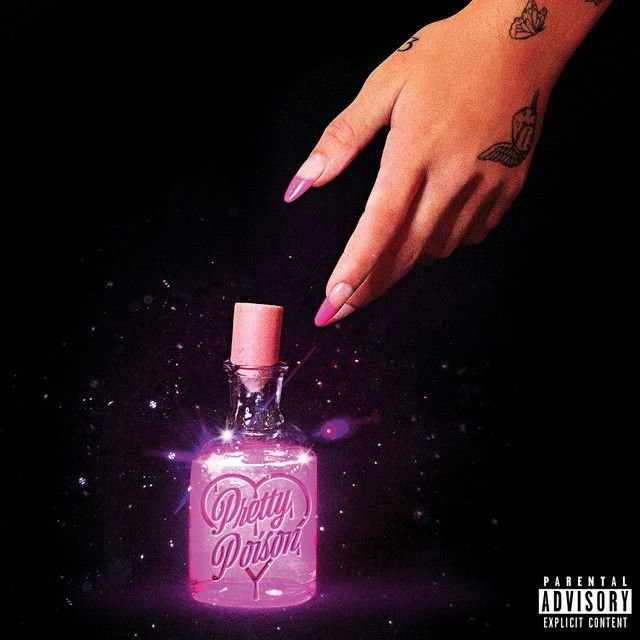
Released as the lead single from Pretty Poison in 2021, the track also marked a career step for Barrett. According to Songfacts, it became her first Billboard Hot 100 entry and helped establish the darker pop-rock lane she would keep exploring. The same source notes that Barrett described the song as the anger people carry after someone hurts them badly and the wish that they get what they deserve.
The Real Target Is Betrayal, Not Just One Person
At first listen, the song sounds like a direct attack on one specific person. The opening sets that up with damage already done and a voice that still lingers in the speaker’s mind. When they hear lines about being dragged through mud and feeling petty as fuck
, the song frames anger as both embarrassing and fully earned.
That matters because the speaker is not pretending to be above revenge. They know the feeling is messy. Still, the track argues that betrayal can push someone to that edge.
Interpretation: The target may be an ex-lover, especially because the song hints at emotional manipulation and public consequences. But the lyrics are broad enough to fit a false friend, toxic partner, or anyone who shattered trust.

Watch the official i hope ur miserable until ur dead
music video
A Chorus Built to Shock
The hook is the reason people remember the song. Instead of asking for closure, it repeats the same curse-like wish: miserable until you’re dead
. That phrase is so extreme that it can sound almost theatrical, but that is part of its function.
The chorus is not trying to be measured. It captures the first, hottest stage of anger, when someone does not want wisdom yet—they want justice, or at least emotional payback.
A few other short lines sharpen that wish. The speaker hopes the other person will never fall in love again
and will lose your friends
. In plain terms, they want this person to feel social and emotional loss, not just private guilt.
The Most Interesting Twist: They Still Hold Back
The song is not only rage. Its most revealing moment is when the speaker admits they have been keeping damaging information to themself. They suggest they could ruin this person’s image, even make everybody hate you
, but choose not to.
That changes the song’s meaning in an important way. The speaker is furious, but they are not powerless. They have information, restraint, and memory. So the song becomes less about helpless suffering and more about standing at the line between revenge fantasy and real revenge.
Interpretation: This is where the track gets more emotionally layered than its title suggests. They do not forgive, but they also do not fully retaliate. The anger stays verbal, not action-based.
How the Verses Map the Emotional Timeline
The narrative moves in a clear sequence:
- The wound is fresh enough that the person’s voice still echoes.
- The speaker recognizes the relationship caused real damage.
- They imagine karma catching up with the other person.
- They stop short of exposing everything they know.
That arc gives the song shape. It begins in lingering pain, rises into revenge talk, and lands in a tense kind of self-control. Even the line about moving on “if ready or not” suggests healing is being forced by time, not chosen freely.
Why the Sound Feels Like a Scream
Musically, the track leans into pop-rock rather than soft confession. Songfacts credits Evan Blair and Tim Randolph among the writers and producers, and that matters because the production gives the lyrics their bite. The drums hit hard, the guitars feel jagged, and the vocal is pushed forward so the words sound confrontational rather than distant.
This style supports the message. A softer arrangement could have made the song feel sad first and angry second. Here, the mix flips that order. Listeners feel the punch before they unpack the hurt underneath.
There is also a chant-like quality in the repeated hook. Repetition makes the anger feel obsessive, almost like a thought loop. That mirrors how betrayal works in real life: the mind keeps returning to what happened, replaying it until the emotion hardens.
The Nessa Barrett Context Matters
Barrett first built an audience on TikTok before moving into music, and songs like this helped define her voice as an artist willing to be emotionally blunt. Songfacts also notes that Pretty Poison was timed to arrive on World Suicide Prevention Day, which gives the broader project a serious emotional frame, even though this specific song is more explosive than reflective.
That context helps explain the reception. Fans did not hear this as polished pop drama only. They heard a young artist turning intense feelings into something public and cathartic.
So What Does the Song Ultimately Mean?
The meaning of i hope ur miserable until ur dead Nessa Barrett is not that bitterness is good. It is that bitterness can be honest. The song captures the moment after betrayal when a person is too hurt to fake grace.
Its best insight is simple: rage can be part of heartbreak, and saying that out loud can feel freeing. Barrett turns that truth into an anthem that is harsh, memorable, and a little uncomfortable by design.
Final Take
In the end, the song works because it refuses to clean up a dirty feeling. It lets anger sound ugly, repetitive, and real. That does not make the speaker admirable in every line, but it makes them believable.
Disclaimer: This article offers interpretation based on the lyrics, publicly available song information, and credited context. Meaning in music can remain open, and individual listeners may hear the song differently.








